


What's Happening?
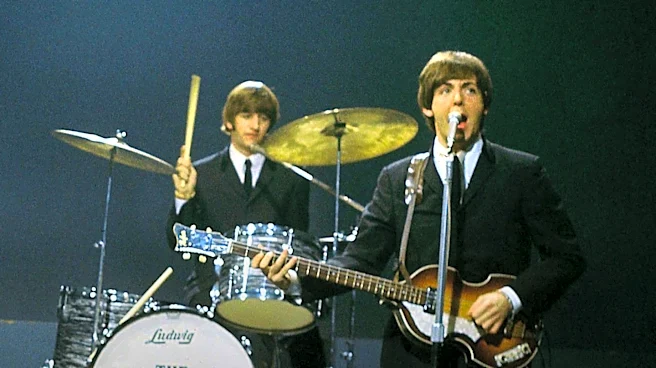
In a 2024 interview with BBC Radio 2 broadcaster Bob Harris, Paul McCartney revealed his admiration for Buddy Holly, citing him as the definitive model for a rock star. McCartney explained that while many consider Elvis Presley the gold standard, Holly's
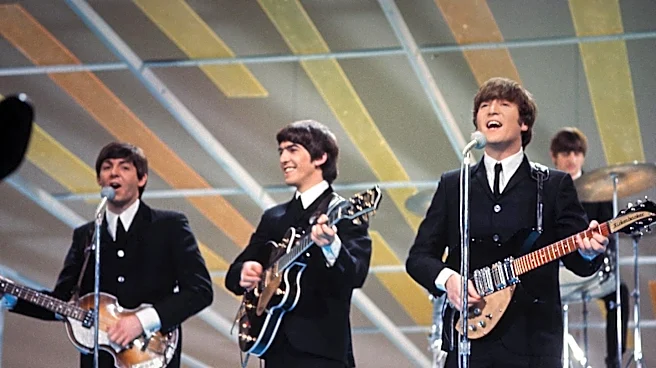
comprehensive musical talent surpassed Presley's. McCartney highlighted Holly's ability to sing, play guitar, and perform his own solos, a combination he found unique. He noted that Presley primarily sang, with Scotty Moore handling guitar duties. Furthermore, Holly also wrote his own material, making him an 'all-inclusive one-man band' in McCartney's view. This multifaceted approach deeply impressed McCartney and served as a benchmark for his own musical aspirations, particularly with The Beatles. The discussion arose in the context of a broader debate about the most influential figures in the early days of rock and roll, with other names like Little Richard, Jerry Lee Lewis, and Chuck Berry also being considered for their foundational contributions to the genre.
Why It's Important?
McCartney's perspective offers significant insight into the influences that shaped one of the most iconic musicians in history. His admiration for Buddy Holly underscores the value of comprehensive musicianship and songwriting in the development of rock and roll. For aspiring musicians, McCartney's comments emphasize the importance of being a multi-instrumentalist and songwriter, rather than just a performer. This viewpoint could influence how musical talent is perceived and cultivated within the industry, potentially encouraging a more holistic approach to artistry. For music historians and fans, it provides a deeper understanding of The Beatles' foundational influences and the criteria by which they judged musical excellence. It also reignites discussions about the true pioneers of rock and roll and the diverse skill sets that contributed to the genre's evolution, moving beyond just vocal performance to include instrumental prowess and songwriting originality.
What's Next?
This revelation from Paul McCartney is likely to spark renewed interest in Buddy Holly's legacy and influence, potentially leading to increased discussion and analysis of his contributions to music. Music educators and critics may use McCartney's comments to re-evaluate the criteria for musical greatness in rock and roll, focusing more on the 'all-inclusive' artist model. Documentaries, articles, and academic studies might explore Holly's impact on McCartney and The Beatles in greater detail. For fans, it could lead to a rediscovery of Holly's discography and a deeper appreciation for his pioneering role. The music industry might also see a subtle shift in how it promotes artists, perhaps placing more emphasis on musicians who demonstrate a wide range of talents, from songwriting to instrumental performance, aligning with McCartney's ideal of a complete artist.
Beyond the Headlines
McCartney's statement transcends a simple preference, touching upon the very essence of artistic integrity and self-sufficiency in music. His admiration for Holly's 'one-man band' approach highlights a philosophical stance on artistry: the ideal musician is not just a performer but a creator, instrumentalist, and innovator. This perspective challenges the modern music industry's tendency towards specialization, where artists often rely on a team of songwriters, producers, and session musicians. It implicitly advocates for a return to a more holistic artistic model, where the artist is deeply involved in every aspect of their music's creation. This could inspire a new generation of musicians to cultivate a broader skill set, fostering greater creative control and authenticity in their work, and potentially shifting the cultural perception of what constitutes a 'true' musician.