





What's Happening?
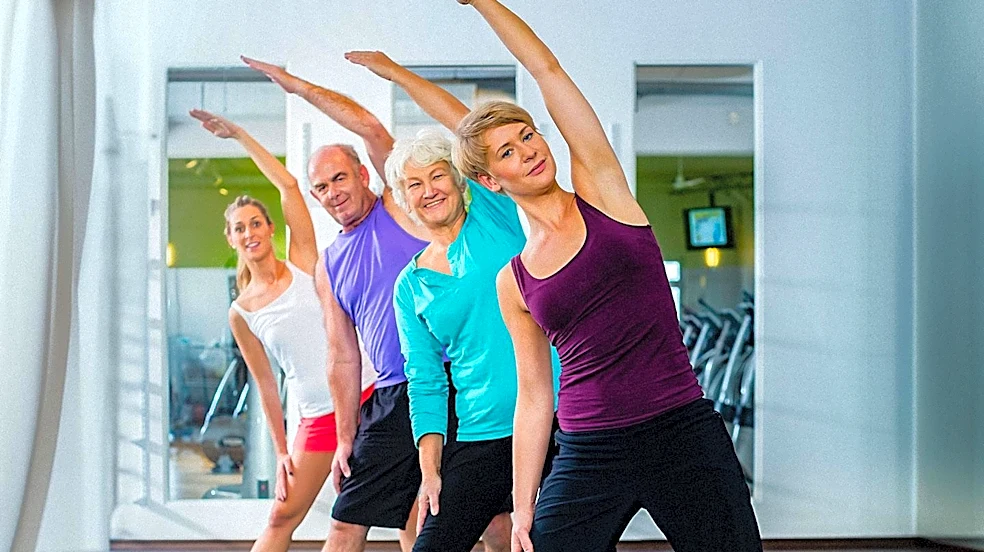
Pilates is gaining recognition as a beneficial low-impact exercise for adults over 60, focusing on body control, posture, and foundational movements. This exercise method helps in building strength, improving balance, supporting mobility, and maintaining
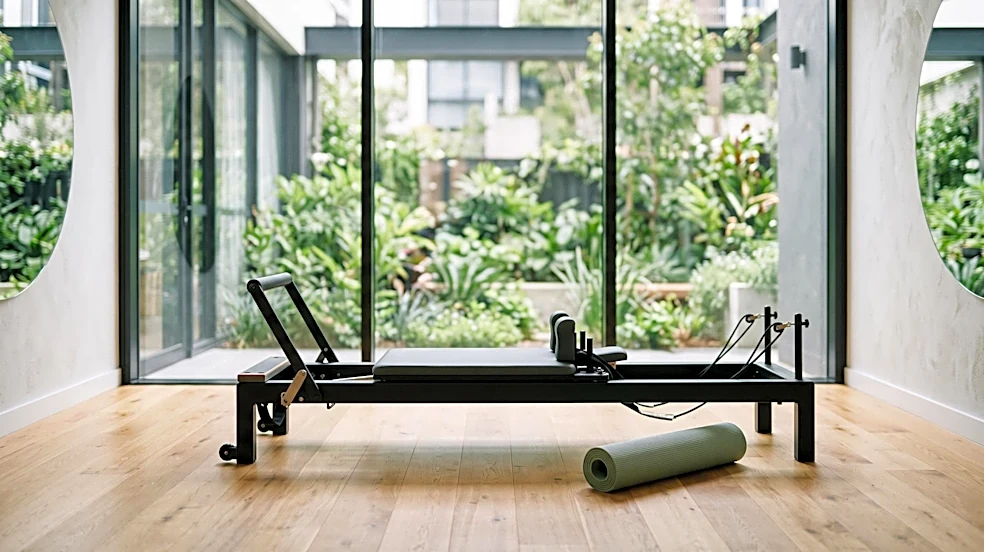
confidence in daily activities without placing undue strain on joints. Exercises are adaptable to various fitness levels and can be modified for individuals with health conditions or injuries. The practice emphasizes engaging deep core muscles and can include advanced series that challenge balance, coordination, and spinal control. Beginners typically start with simple exercises that integrate breathing, posture, and movement, often preceded by a discussion with an instructor about their physical condition and any injuries. Pilates can be performed on mats, specialized chairs, or reformer machines, with certified instructors providing modifications to ensure safety and effectiveness for older adults.
Why It's Important?
The increasing adoption of Pilates among older adults is significant due to its potential to address common age-related physical challenges. As individuals age, maintaining strength, balance, and mobility becomes crucial for independence and quality of life. Pilates directly targets these areas, offering a gentle yet effective way to combat muscle loss, improve posture, and reduce the risk of falls. The low-impact nature of Pilates makes it particularly suitable for those with joint issues or recovering from injuries, providing a safe alternative to high-impact exercises. By enhancing body awareness and coordination, Pilates can empower older adults to feel more secure and confident in their daily movements, contributing to overall well-being and potentially reducing healthcare burdens associated with age-related physical decline.
What's Next?
As awareness of Pilates' benefits for seniors grows, there is likely to be an increased demand for specialized classes and certified instructors who understand the unique needs of older adults. Fitness centers and studios may expand their offerings to include more senior-friendly Pilates programs, such as chair Pilates or modified reformer classes. Healthcare professionals, including general practitioners and physiotherapists, may increasingly recommend Pilates as a complementary therapy for patients managing chronic conditions, recovering from surgery, or seeking to improve their physical function. Further research into the long-term effects of Pilates on bone density and fall prevention in older populations could also lead to more tailored and evidence-based exercise recommendations.
Beyond the Headlines
Beyond its immediate physical benefits, Pilates for older adults carries deeper implications for healthy aging and societal perceptions of fitness. By promoting a holistic approach to movement that integrates mind and body, Pilates can foster mental clarity, reduce stress, and enhance the mind-body connection, which are vital for cognitive health and emotional well-being in later life. The emphasis on controlled, mindful movement encourages a shift from performance-driven exercise to a more sustainable and self-aware practice. This can challenge ageist stereotypes about physical limitations, demonstrating that purposeful and effective exercise is accessible at any age, thereby contributing to a more inclusive and active vision of aging.