

What's Happening?
A fashion expert has identified several classic wardrobe staples that she considers outdated, prompting a discussion on evolving fashion trends. Leanna Spektor, co-founder of Brand House Direct, suggests that items like ultra-skinny jeans, flimsy ballet
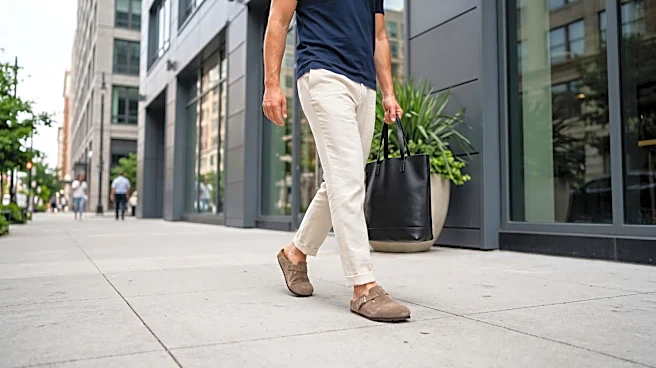
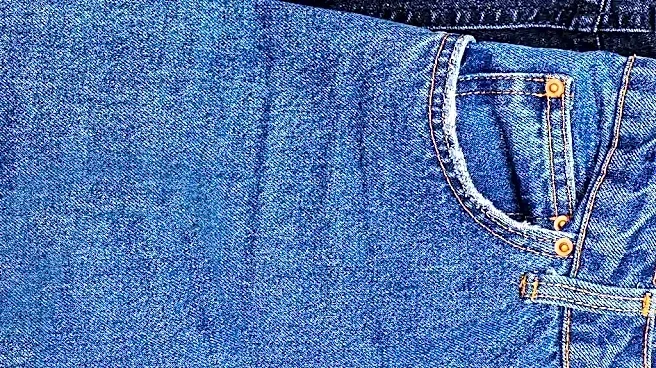
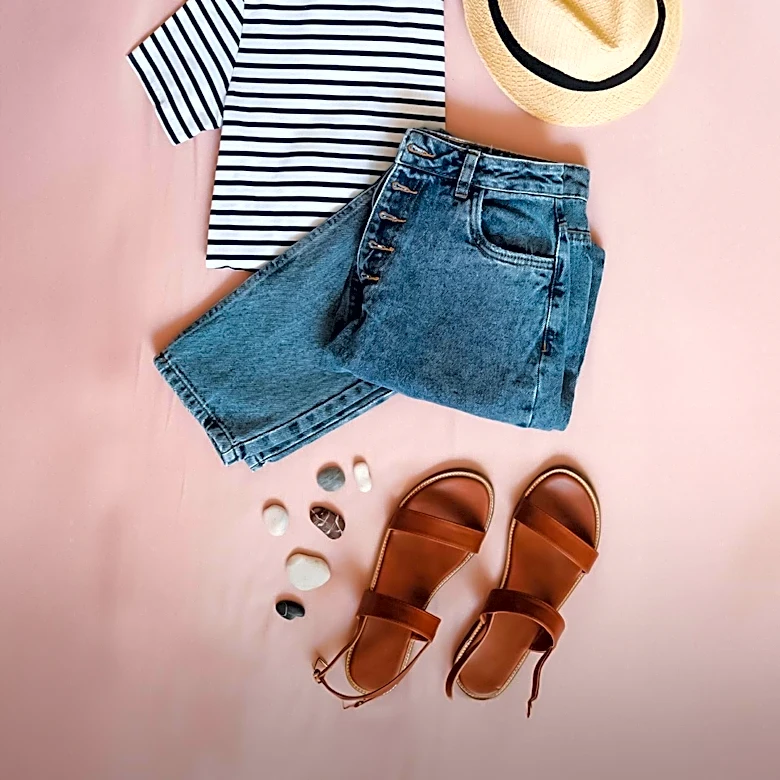
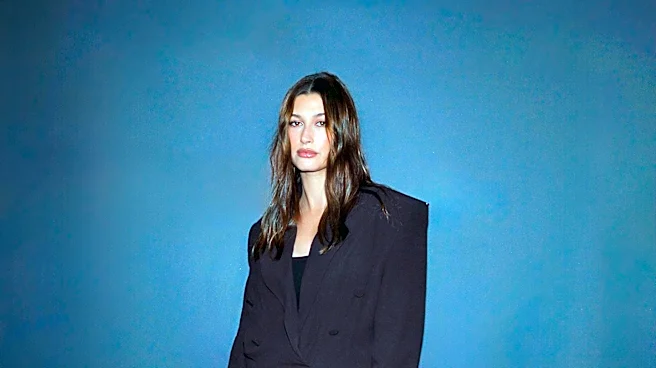
flats, overly fitted black blazers, pencil skirts, plain black pumps, and basic crew-neck T-shirts are no longer at the forefront of contemporary style. Instead, she recommends alternatives such as straight-leg or slim-fit jeans, structured loafers or Mary Janes, oversized or boyfriend-style blazers, A-line midi or tailored slip skirts, nude or neutral pumps, and V-neck or scoop-neck T-shirts. While some of these items, like skinny jeans and ballet flats, are reportedly making a comeback or remain popular among certain demographics, the expert's perspective highlights a shift towards comfort, versatility, and more relaxed silhouettes in everyday wear. The discussion also touches on the high maintenance nature of some traditional pieces, such as crisp white button-down shirts, which are often prone to wrinkling and can feel too stiff for daily use.
Why It's Important?
This shift in fashion trends reflects broader changes in consumer preferences and lifestyle, particularly among millennials and younger generations. The emphasis on comfort and versatility in clothing choices indicates a move away from rigid, formal attire towards more adaptable and practical options that suit a dynamic daily routine. For the U.S. fashion industry, this means a potential re-evaluation of product lines and marketing strategies to align with these evolving tastes. Retailers and designers may need to prioritize the production and promotion of items that offer both style and ease of wear, such as relaxed-fit denim, comfortable yet chic footwear, and versatile separates. Consumers, in turn, are encouraged to reconsider their 'wardrobe essentials' based on personal comfort and actual utility rather than perceived necessity. This trend also highlights the influence of social media and individual expression in shaping fashion, as people increasingly seek unique styles that resonate with their personal identity rather than adhering strictly to traditional fashion rules.
What's Next?
The fashion industry is likely to continue observing and adapting to these evolving consumer preferences. We can anticipate a continued emphasis on comfortable and versatile clothing options in upcoming collections. Designers may further explore hybrid styles that blend formality with ease, such as relaxed tailoring and elevated casual wear. Retailers might adjust their inventory to feature more of the recommended alternatives, potentially leading to a decline in the availability of the 'outdated' items or their reinterpretation in modern forms. The debate over the longevity of trends, such as the reported comeback of skinny jeans, suggests a cyclical nature to fashion, where classic styles are continually re-evaluated and reintroduced with contemporary twists. Consumers will likely continue to curate their wardrobes based on a mix of personal comfort, current trends, and individual style, moving away from a one-size-fits-all approach to fashion.
Beyond the Headlines
The discussion around 'outdated' wardrobe staples touches upon deeper cultural and societal shifts. The move towards more comfortable and less restrictive clothing can be seen as a reflection of a broader desire for authenticity and practicality in daily life, moving away from purely aesthetic considerations. This trend also challenges the traditional notion of 'wardrobe essentials,' suggesting that what is considered essential is highly subjective and dependent on individual lifestyle and preferences. The influence of social media and personal branding plays a significant role, as individuals increasingly use fashion as a form of self-expression rather than conforming to prescribed norms. This evolution in fashion also has environmental implications, encouraging a more mindful approach to consumption where consumers prioritize versatile, long-lasting pieces over fleeting trends, potentially contributing to a more sustainable fashion ecosystem.