





What's Happening?
The World Bank forecasts a significant surge in global commodity prices for 2026, with a projected 23% increase. This instability is driven by geopolitical conflicts, particularly in the Middle East, which are depleting oil inventories, alongside intensifying
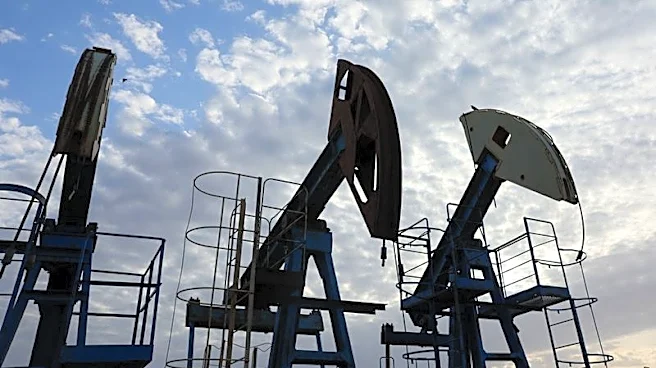
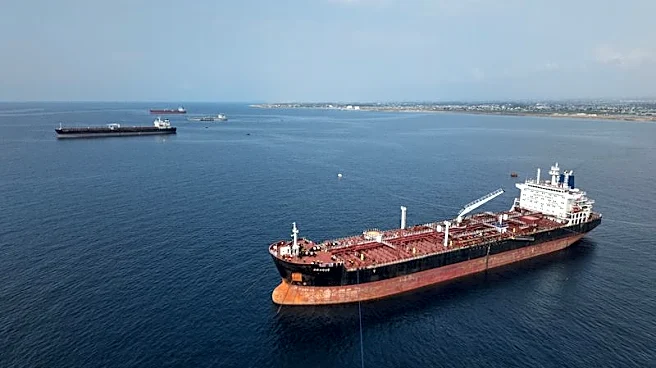
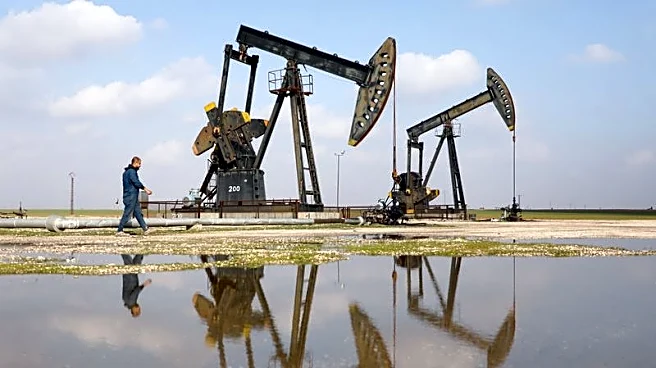
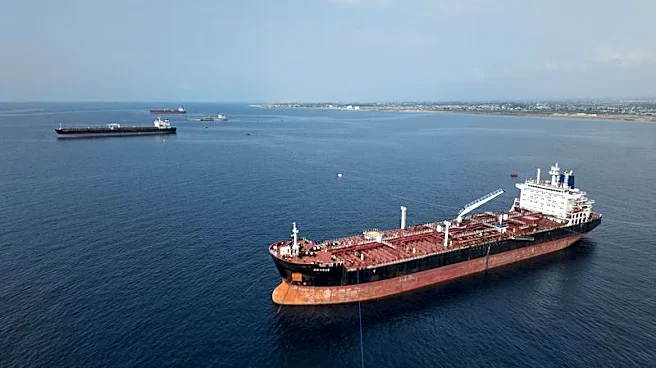
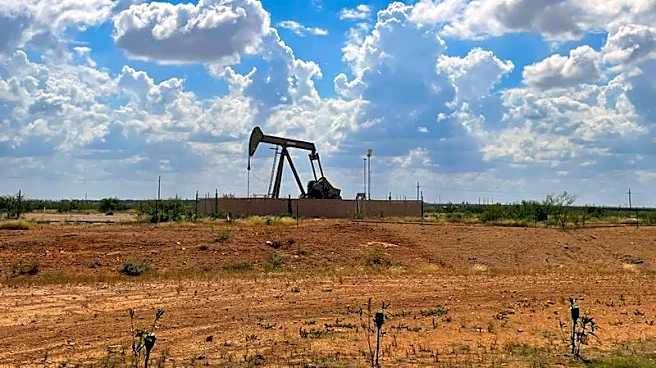
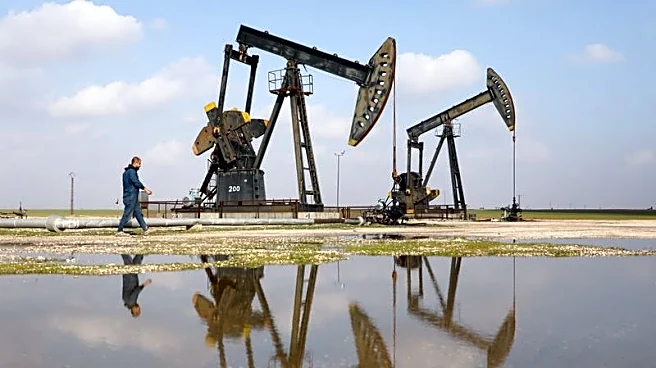
energy shortages and agricultural disruptions threatening food security. Global oil production is expected to contract by 5.2% in 2026, the sharpest annual decline in over four decades outside of the 2020 pandemic. While consumption is also forecast to fall by 2.5%, this reduction is insufficient to offset the supply squeeze, leading to increased withdrawals from oil inventories. Brent crude is projected to average $91 per barrel in 2026, a substantial increase from $69 in 2025, with overall energy prices expected to rise by 32%. Food commodity prices are also anticipated to climb by approximately 10% in 2026 and an additional 7% in 2027, resulting in a cumulative increase of 18%. This is attributed to disrupted grain shipments, potential El Niño-related harvest losses, and elevated agricultural input costs.
Why It's Important?
This projected global commodity shock carries significant implications for the U.S. economy and its citizens. Higher energy prices will translate into increased costs for transportation, manufacturing, and consumer goods, potentially fueling inflation and reducing purchasing power. Businesses, particularly those reliant on energy-intensive operations or raw materials, will face higher operating expenses, which could impact profitability and investment. The surge in food prices threatens household budgets, especially for lower-income families, and could exacerbate food insecurity. The interconnectedness of commodity markets means that disruptions in one sector, such as energy, can quickly cascade into others, like agriculture and industrial production, creating a complex web of economic challenges. The depletion of oil inventories reduces the global capacity to absorb future supply disruptions, making the market highly vulnerable to further shocks from geopolitical events or natural disasters. This situation could undermine economic stability and hinder the anticipated global recovery in 2027.
What's Next?
The World Bank anticipates that Brent crude prices may moderate to $79 per barrel in 2027, but this outlook is contingent on the non-intensification of conflicts affecting global supplies. Escalation in the Middle East or persistent damage to Russia's oil infrastructure could push Brent prices to an average of $105 per barrel in 2027. Food prices are projected to continue rising into 2027, indicating sustained pressure on essential consumption despite potential easing in other commodity markets. The World Bank has made between $50 billion and $60 billion available through existing financing instruments to help developing economies manage these challenges, including support for social protection systems and liquidity for businesses. However, the durability of the projected recovery hinges on developments in Middle Eastern energy supplies, Russian oil infrastructure, Black Sea grain transportation, and El Niño-related agricultural conditions. A combination of adverse shocks, such as attacks on Black Sea grain shipments, unexpectedly high energy prices, and a strong El Niño, could lead to a food crisis resembling conditions from the early 2010s.
Beyond the Headlines
The current commodity market instability highlights a deeper vulnerability in global supply chains and economic resilience. The World Bank's analysis underscores that volatility spreads more strongly across commodity groups during economic stress, with oil's influence markedly increasing since the Middle East conflict began. This situation forces a re-evaluation of energy security strategies and the need for diversified supply sources. The long-term implications could include accelerated investment in renewable energy and electric vehicles as consumers and industries seek to insulate themselves from oil price shocks. The ongoing pressure on food prices also raises ethical concerns about global food distribution and the disproportionate impact on vulnerable populations. Furthermore, the increased demand for safe-haven assets, such as precious metals, reflects a broader sentiment of geopolitical and policy uncertainty, suggesting a shift in investment patterns towards more secure, albeit less growth-oriented, assets. This period of sustained disruption may permanently alter global trade relationships and energy consumption patterns.