



What's Happening?
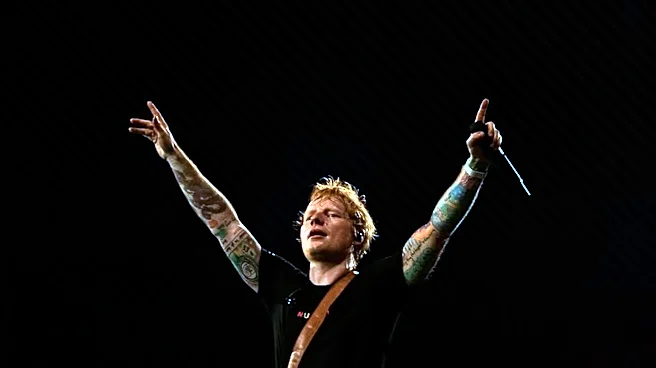
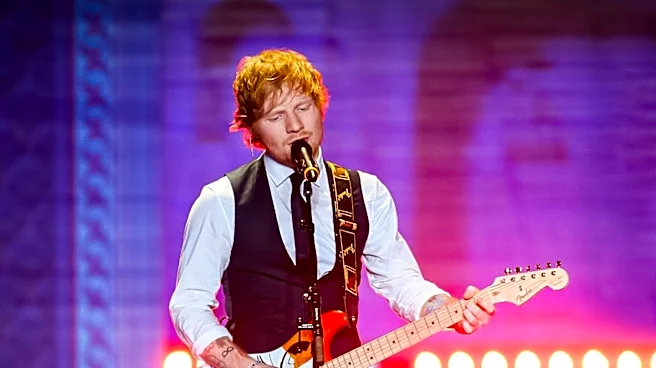
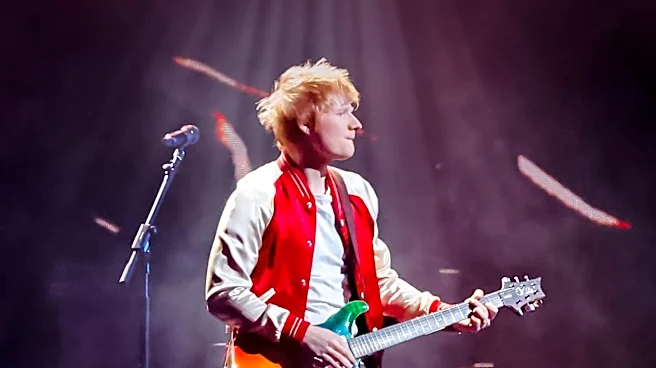
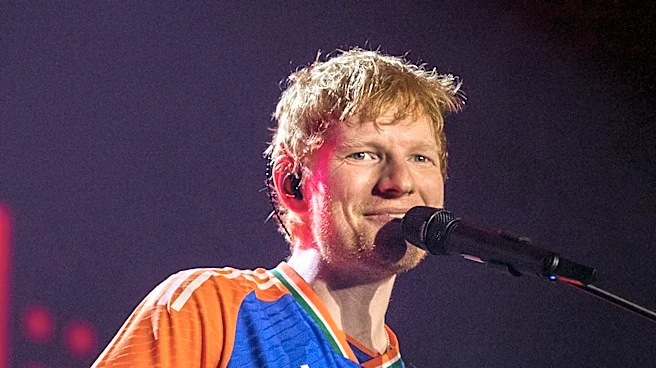
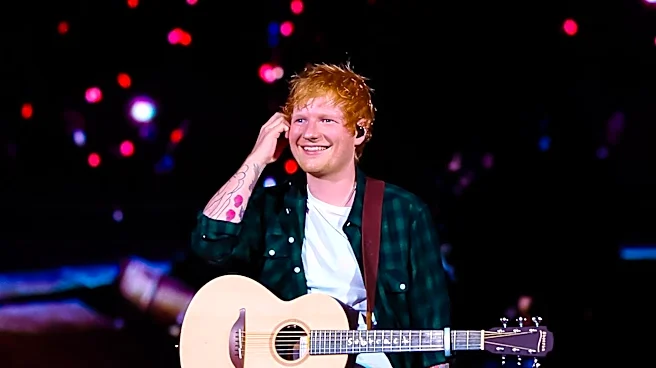
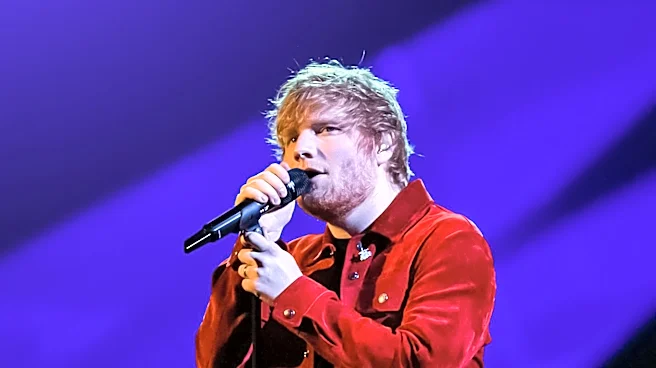
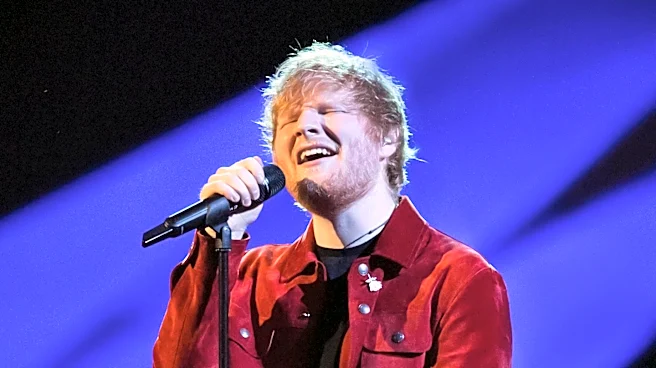
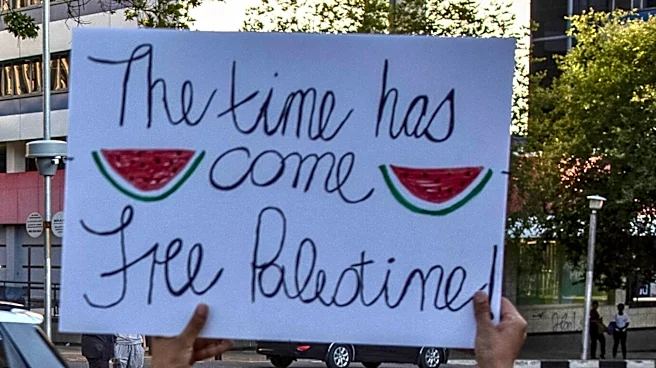
During his opening act for Ed Sheeran at MetLife Stadium in New Jersey, rapper Macklemore vocalized 'Free Palestine' and delivered a speech expressing solidarity with people in Gaza and the occupied West Bank. He emphasized his belief in equal freedom
for all human beings, repeating these remarks during a subsequent performance. These actions prompted the Israeli American Council to launch a petition demanding Macklemore's removal from the remaining dates of the Loop tour. The petition argues that the concert was not an appropriate platform for a 'one-sided political agenda,' stating, 'This was an an Ed Sheeran concert – not a political rally, not a protest, and not an activist event.' Macklemore also criticized U.S. Immigration and Customs Enforcement during his speech and previously released the song 'Hind's Hall' in 2024, which critiques Israel's actions in Gaza, with proceeds directed to humanitarian efforts by UNRWA. The remarks have elicited mixed reactions from concertgoers, with some walking out due to the political nature of the performance and others commending his use of music for human rights advocacy.
Why It's Important?
This incident highlights the increasing intersection of entertainment and political activism, particularly concerning the Israeli-Palestinian conflict, within the U.S. public sphere. Macklemore's use of a major concert platform to express strong political views can influence public opinion and galvanize support for specific causes among his audience. The petition for his removal underscores the challenges faced by artists who engage in political commentary, as it can lead to backlash from groups with opposing viewpoints, potentially affecting their professional engagements and public image. This situation also raises questions about the responsibilities of artists and concert organizers regarding the content presented at events, and the extent to which political expression is acceptable in commercial entertainment settings. The divided reactions among concertgoers reflect the broader societal polarization on these sensitive issues, demonstrating how cultural events can become arenas for political debate.
What's Next?
The immediate next step will likely involve the response from Ed Sheeran's tour management and potentially Ed Sheeran himself regarding the petition and Macklemore's continued participation in the tour. The Israeli American Council will continue to gather signatures and pressure for Macklemore's removal. Macklemore may choose to address the controversy further, either by defending his stance or by modifying his future performances. This event could also lead to increased scrutiny of artists' political statements at public events and potentially influence contractual agreements for future tours, with clauses perhaps addressing political content. The incident may also encourage other artists to either embrace or shy away from political activism, depending on their assessment of the potential professional and public relations consequences.
Beyond the Headlines
Beyond the immediate tour implications, this event touches on the enduring debate about the role of artists in political discourse and the concept of 'cancel culture.' Macklemore's actions and the subsequent petition reflect a societal tension between freedom of speech and the desire for apolitical entertainment spaces. The accusation of 'antisemitism' by some concertgoers, contrasted with the defense of 'human rights advocacy,' illustrates the deep emotional and ideological divides surrounding the Israeli-Palestinian conflict. This incident could contribute to a broader discussion within the entertainment industry about how to navigate artists' political expressions without alienating significant portions of their audience or facing organized opposition. It also highlights the power of social media in amplifying both support and condemnation for public figures' political stances, shaping public discourse and influencing professional outcomes.