






What's Happening?
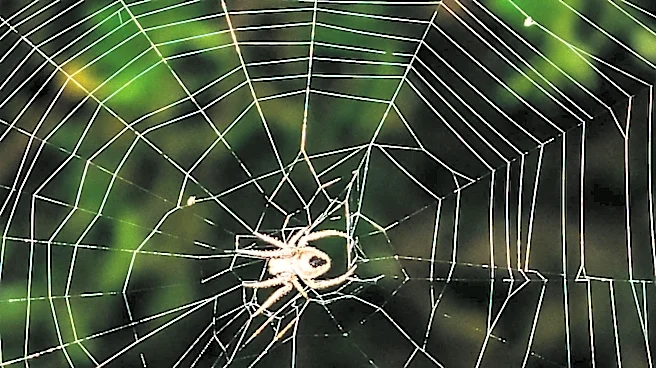
Arachnology experts are cautioning homeowners that the common practice of catching indoor spiders and releasing them outside may be detrimental to certain species. For decades, the 'catch and release' method has been a popular response to finding spiders inside
homes. However, researchers highlight that not all spiders are suited for outdoor environments. Some species are 'true homebodies,' having adapted specifically to the stable temperatures, consistent food sources, and shelter found within human dwellings. These house spiders are distinct from those indigenous to outdoor habitats. Misidentifying a spider's natural environment and relocating an indoor-adapted species outside can expose it to predators, pesticides, and unpredictable weather conditions, significantly reducing its chances of survival. This well-intentioned act can inadvertently disrupt both the spider's life and potentially local ecosystems.
Why It's Important?
This information is important for U.S. homeowners as it challenges a widely accepted practice and promotes a better understanding of urban wildlife. Spiders inside homes often serve as natural pest controllers, preying on mosquitoes, flies, and other small insects without the need for chemical interventions. Removing these beneficial creatures, especially those adapted to indoor living, can disrupt this natural balance. Furthermore, the unintentional introduction of a domestic spider into an outdoor environment can lead to competition with native spider populations, potentially altering local food webs or aiding the establishment of invasive species. Understanding which spiders are true house dwellers versus outdoor visitors can help homeowners make more informed decisions, fostering a more harmonious coexistence with these often-misunderstood creatures and contributing to local ecological health.
What's Next?
Moving forward, homeowners are encouraged to identify spider species before attempting relocation. Resources such as local field guides, online platforms like iNaturalist, or entomology groups can assist in determining whether a spider is a temporary outdoor visitor or a permanent indoor resident. For individuals with arachnophobia, behavioral therapies are suggested as an alternative to relocation, helping them become more comfortable coexisting with spiders. Simple home maintenance, such as sealing cracks in walls, can also reduce spider encounters. The broader implication is a call for increased awareness and education regarding the ecological roles of common household insects and arachnids, promoting more responsible interactions between humans and the natural world within residential settings.
Beyond the Headlines
The discussion around spider relocation extends beyond immediate ecological impact, touching upon ethical considerations of human interaction with wildlife. It highlights a common human tendency to intervene with nature based on anthropocentric assumptions, often without full understanding of the consequences. This scenario underscores the broader principle that seemingly small actions can have significant, unintended effects on individual organisms and local ecosystems. It also prompts a re-evaluation of what constitutes 'kindness' towards animals, suggesting that sometimes non-intervention, or informed intervention, is the more compassionate approach. This shift in perspective encourages a more nuanced understanding of the interconnectedness of indoor and outdoor environments and the diverse adaptations of species within them.