


What's Happening?
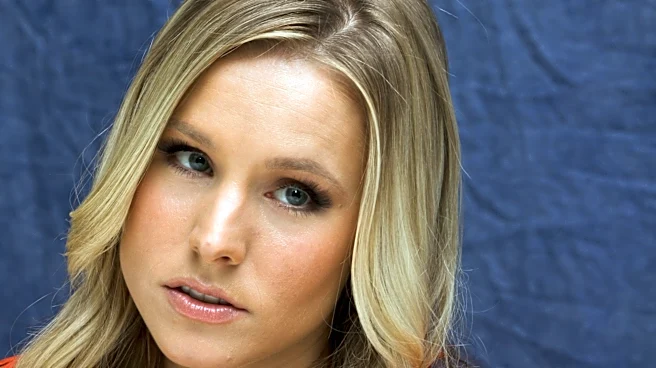
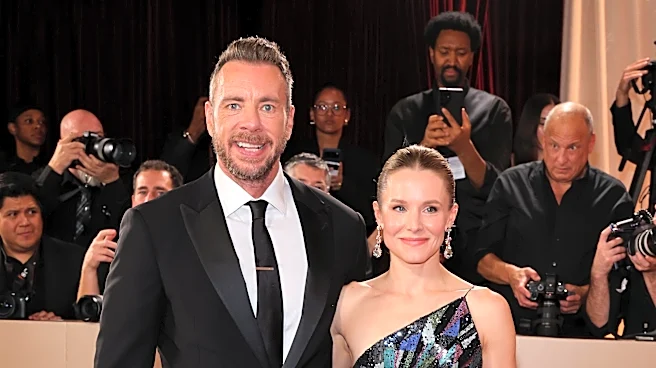
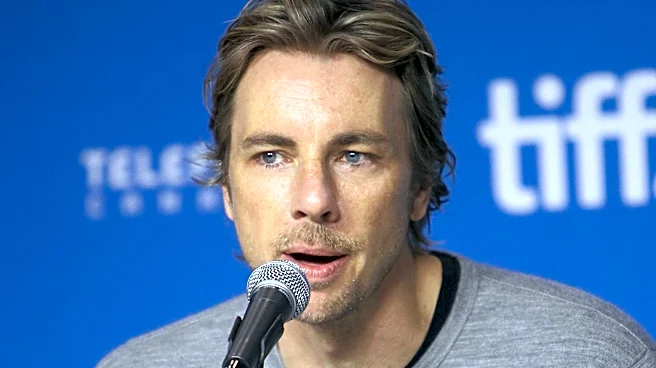
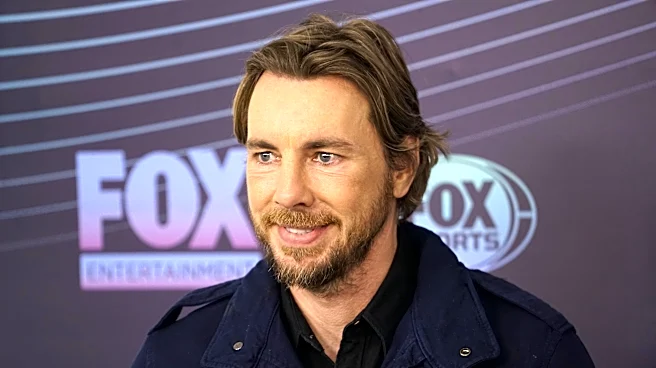
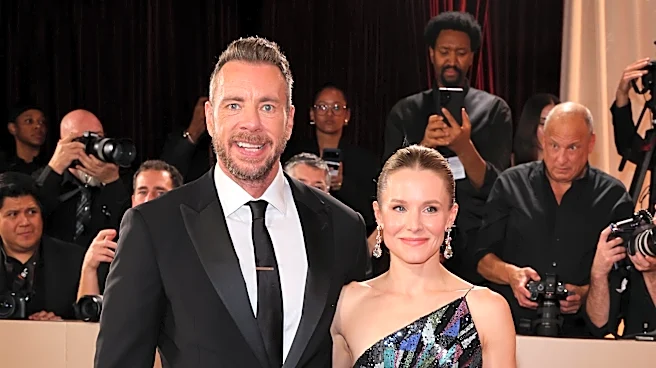
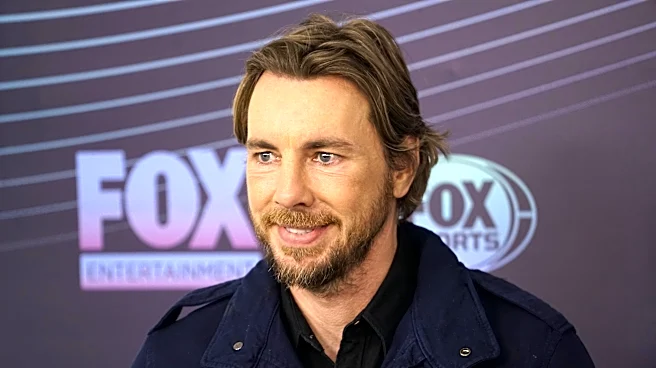
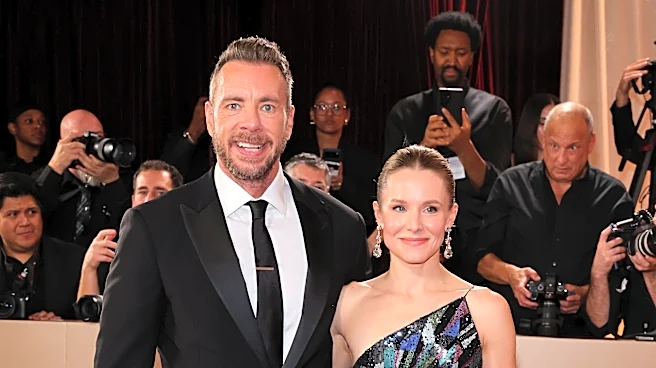
Dax Shepard has publicly refuted claims that he is an abusive husband to Kristen Bell, stating that a persistent online narrative has been offensive and has impacted his mental health. The controversy stems from a social media post by Kristen Bell celebrating
their 12th wedding anniversary, where she quoted Shepard saying, "I would never kill you." This quote, intended as an inside joke and compliment, was misinterpreted by some as an admission of abuse, especially when shared during Domestic Violence Awareness Month. Shepard explained on his 'Armchair Expert' podcast that the comment originated from a 'Dateline' viewing, where he told Bell, "You know, I'm heavily incentivized to kill you, but I'm not going to," meant to praise her resilience. He asserts that the omission of the 'Dateline' context in Bell's post led to the widespread misinterpretation, creating a 'cottage industry' of individuals defending Bell and portraying him negatively.
Why It's Important?
This situation highlights the significant impact of social media on public perception and personal lives, particularly for public figures. A seemingly innocuous post, when taken out of its original context, can quickly escalate into a damaging narrative, affecting reputations and mental well-being. For Dax Shepard, the 'abusive husband' label has been deeply insulting, challenging his identity as a supportive partner and father. The incident also underscores the challenges celebrities face in maintaining privacy and controlling their narratives in the digital age, where misinterpretations can spread rapidly and become entrenched in public discourse. It serves as a cautionary tale about the potential for online content to be decontextualized and weaponized, leading to real-world emotional distress and reputational harm.
What's Next?
Dax Shepard's public clarification aims to correct the record and mitigate the ongoing negative narrative surrounding his marriage to Kristen Bell. While he has directly addressed the origins and intent behind the controversial quote, the long-term impact on public perception remains to be seen. The incident may prompt other public figures to exercise greater caution in their social media postings, particularly when sharing personal anecdotes or inside jokes that could be easily misinterpreted. It also raises questions about the responsibility of social media users and platforms in verifying information and understanding context before amplifying potentially damaging narratives. The couple may continue to face scrutiny, but Shepard's proactive stance could help in reshaping the public's understanding of their relationship.
Beyond the Headlines
The incident delves into broader themes of online vigilantism and the 'cancel culture' phenomenon, where public figures can face severe backlash based on perceived transgressions, often without full context or due process. It also touches upon the complexities of humor and communication within intimate relationships, and how these can be misunderstood when exposed to a wider audience. The emotional toll on Shepard, who has openly discussed struggling with depression due to these allegations, underscores the mental health implications of sustained online harassment and misrepresentation. This event could contribute to a larger conversation about media literacy, the ethics of online commentary, and the need for empathy and critical thinking in interpreting digital content, especially when it pertains to sensitive topics like domestic abuse.