





What's Happening?
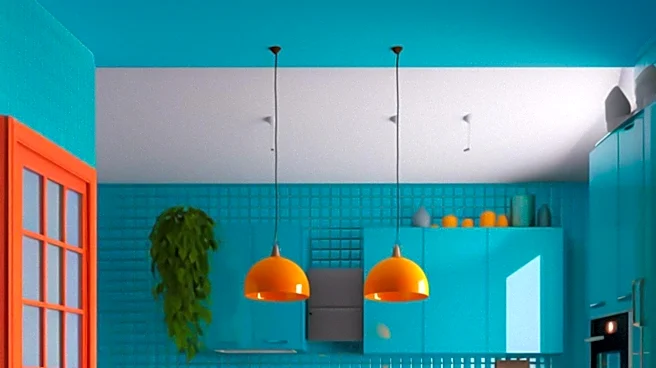
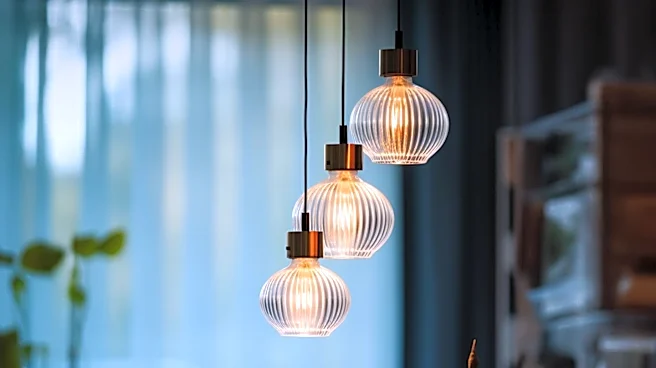
Statement lighting is increasingly recognized as a pivotal design element in U.S. homes, moving beyond mere functionality to become an expressive component that shapes mood and reflects personal style. This trend emphasizes lighting fixtures as focal
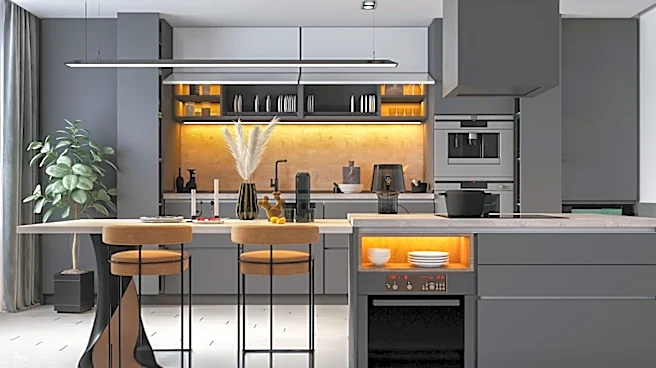
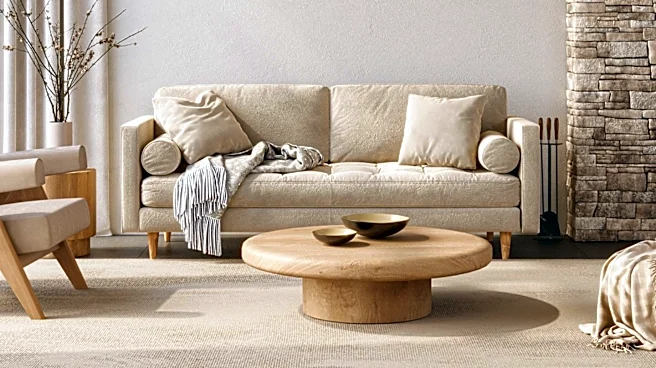
points, akin to art or statement furniture. Modern living rooms often feature sleek, minimalist lighting designs, while kitchen islands are being adorned with oversized pendants and contemporary chandeliers to elevate the space. The shift signifies a broader change in interior design where homeowners prioritize personal expression over strict adherence to traditional styles. Designers are encouraging individuals to select lighting that resonates with them, ensuring longevity and personal connection to their living spaces. This approach allows for a more layered and unique home environment, moving away from rigid stylistic classifications.
Why It's Important?
This evolution in lighting design holds significant implications for the U.S. interior design industry and consumers. For businesses, it creates a demand for innovative, sculptural, and customizable lighting solutions, fostering growth in manufacturing and retail sectors specializing in home furnishings. Designers are now tasked with integrating lighting as a primary aesthetic consideration rather than an afterthought, requiring a deeper understanding of how light interacts with materials and space. For homeowners, this trend offers greater freedom to personalize their environments, moving away from mass-produced, generic aesthetics. It encourages a more thoughtful approach to home decor, where each fixture contributes to the overall narrative and feel of a space. This focus on individuality can lead to more unique and emotionally resonant homes, potentially increasing homeowner satisfaction and the perceived value of interior design services.
What's Next?
The trajectory for statement lighting suggests continued innovation in materials, forms, and smart technology integration. Manufacturers are likely to explore sustainable materials and advanced lighting controls that allow for dynamic mood setting. Designers will further refine their expertise in layering different types of lighting—pendants, sconces, recessed, and accent lighting—to create versatile and inviting spaces. We can anticipate a rise in bespoke and handcrafted lighting options, catering to the desire for unique, personalized pieces. Educational initiatives for consumers and design professionals will also become crucial, focusing on understanding light quality, color temperature, and how various fixtures contribute to a cohesive design. The emphasis on personal style will likely lead to a more eclectic mix of lighting elements within single homes, challenging traditional design conventions and fostering greater creativity.
Beyond the Headlines
Beyond its aesthetic appeal, the rise of statement lighting reflects a deeper cultural shift towards valuing authenticity and personal narrative in domestic spaces. In an increasingly digital and standardized world, homeowners are seeking tangible ways to express their identity and create sanctuaries that feel uniquely their own. This trend also highlights the growing appreciation for craftsmanship and the artistry involved in lighting design, elevating functional objects to sculptural art forms. Ethically, it could drive demand for responsibly sourced materials and transparent manufacturing processes, as consumers become more conscious of the origins of their home furnishings. The long-term impact may include a redefinition of luxury, moving from ostentatious displays to curated environments that prioritize comfort, personal meaning, and thoughtful design.