



What's Happening?
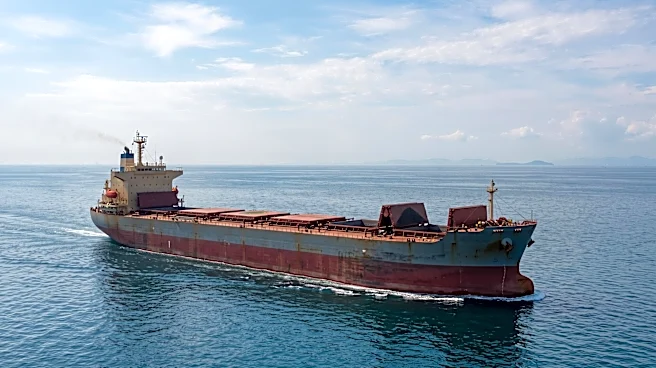
Rio Tinto, through its SimFer venture, has shipped the first iron ore cargo from Guinea’s Simandou project to Europe. The vessel, named The Tower Point, departed Morebaya anchorage on November 23 carrying approximately 79,100 tonnes of Simandou iron ore fines.
It is expected to arrive in Dunkirk, France, on December 4, where Luxembourg-based ArcelorMittal operates a steelworks. A second Europe-bound cargo is currently being loaded for delivery to Gijón, Spain, another location with ArcelorMittal steelmaking operations. This marks a significant expansion of the Simandou project's market beyond its initial focus on China, which began in December 2025. The high-grade iron ore from Simandou offers steelmakers an alternative source, particularly as they aim to reduce emissions. SimFer achieved an annual production rate of about 10 million tonnes in the third quarter and aims for 60 million tonnes per year by the second half of 2028. Guinea's iron ore exports surpassed 5 million tonnes in October, with year-to-date shipments exceeding 22 million tonnes.
Why It's Important?
This development is important for several reasons. Firstly, it signifies a diversification of the market for Simandou iron ore, reducing reliance on a single major buyer like China. This can enhance market stability and potentially lead to more competitive pricing for the ore. Secondly, the high-grade nature of Simandou iron ore is crucial for steelmakers seeking to reduce their carbon emissions, aligning with global environmental goals and potentially influencing industry standards. For European steelmakers like ArcelorMittal, securing a new, high-quality source of iron ore can improve supply chain resilience and offer a strategic advantage. The ramp-up of Simandou's production, targeting 60 million tonnes annually by 2028, indicates a substantial increase in global iron ore supply, which could impact international commodity markets. Furthermore, Guinea's establishment of a sovereign wealth fund, to be partly financed by Simandou revenues, highlights the long-term economic impact and strategic planning associated with this mining project for the nation.
What's Next?
The arrival of the first cargo in Dunkirk on December 4 will be a key milestone, followed by the delivery of the second cargo to Gijón, Spain. SimFer plans to significantly ramp up its annual production rate to 60 million tonnes by the second half of 2028, with the wider Simandou development aiming for up to 120 million tonnes annually. This will involve continued investment and operational expansion. Guinea's newly approved sovereign wealth fund, which will receive 30% of taxes and other state revenue from Simandou, is set to be promulgated by President Mamadi Doumbouya. The fund aims for an initial capital target of $1 billion over five years, with plans to invest in infrastructure, energy, industry, and local mineral processing, while also building savings for future generations and cushioning public finances against commodity price swings. Stakeholders will be monitoring the fund's implementation and its impact on Guinea's economic development.
Beyond the Headlines
The expansion of Simandou iron ore exports beyond China carries deeper geopolitical and economic implications. It could contribute to a more diversified global supply chain for critical raw materials, potentially reducing the leverage of any single nation in the iron ore market. The emphasis on high-grade ore for emissions reduction also underscores a growing trend in the mining industry towards sustainability and meeting environmental regulations, which could influence future investment and development in other mining projects worldwide. For Guinea, the successful development and market diversification of Simandou, coupled with the establishment of a sovereign wealth fund, represents a significant opportunity for long-term economic growth and stability, provided the fund is managed transparently and effectively. This project could serve as a model for other resource-rich developing nations seeking to maximize the benefits of their natural endowments.