



What's Happening?
The Denver Broncos are facing backlash from their fan base over potential plans to implement personal seat licenses (PSLs) as part of funding a new stadium. PSLs are a one-time fee that grants the right to purchase season tickets, a practice common in the NFL
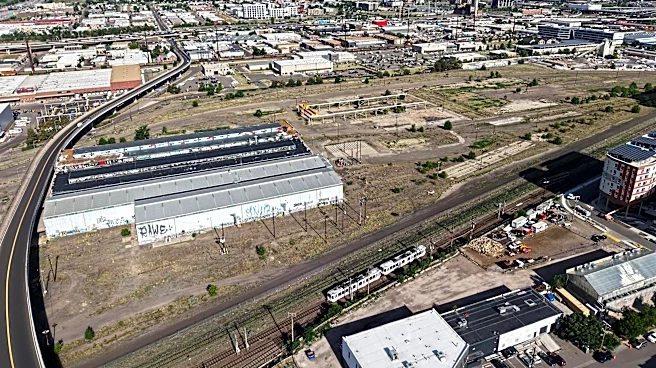
to offset stadium construction costs. Broncos fans, including long-time season ticket holders like Marilyn Venard, express frustration at the prospect of paying additional fees, especially given the wealth of the team's owners, the Walton-Penner Group, who are among the richest in the NFL. The group plans to build a new stadium at Burnham Yard, and while no formal decision has been made, team president Damani Leech indicated that PSLs are likely. Fans argue that the owners, with a net worth of $146 billion, should not need to impose such fees on loyal supporters.
Why It's Important?
The potential introduction of PSLs by the Denver Broncos highlights a broader issue of financial accessibility in sports. For many fans, attending games is not just about entertainment but also about community and tradition. The imposition of PSLs could alienate long-time supporters who may not afford the additional costs, potentially changing the demographic of the fan base. This situation underscores the tension between sports as a business and as a cultural institution. The decision by the Broncos could set a precedent for other teams considering similar funding strategies, impacting how sports franchises engage with their communities and manage financial growth.
What's Next?
As the Broncos move forward with their stadium plans, the decision on PSLs will be closely watched by fans and other NFL teams. If implemented, the team may face increased scrutiny and potential backlash from the fan base, which could affect ticket sales and public relations. The owners may need to consider alternative funding strategies or offer concessions to maintain fan loyalty. The outcome could influence how other teams approach stadium financing, especially those with wealthy ownership groups. Stakeholders, including fans, local businesses, and city officials, will likely engage in discussions to find a balanced solution.