





What's Happening?
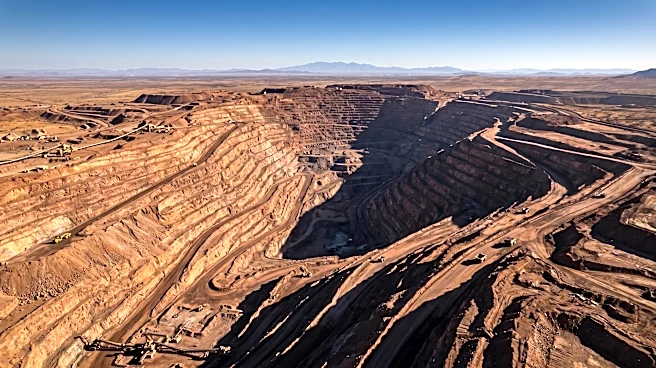
Supervisors at BHP's Escondida copper mine in Chile, the world's largest, have rejected a collective contract offer. The 1,020-member union received the final proposal and urged its members to vote against it, with 95% of participating members ultimately
voting in favor of strike action. This rejection initiates a mandatory five-day government-led mediation process under Chilean law, which can be extended by mutual agreement for another five days before a work stoppage can legally commence. The union stated that the company's offer showed a "complete disregard" for the supervisors' contributions to the mine's production and multibillion-dollar profits. They also objected to requirements for supervisors to train for plant operations like driving trucks, arguing the offer did not represent a material increase over the current contract. BHP, however, claims its offer included "improvements and new benefits" beyond the existing agreement and may request mandatory mediation from the Labor Inspection Office.
Why It's Important?
The potential strike at Escondida, the world's largest copper mine, could significantly impact global copper supply and prices. Copper is a critical industrial metal used extensively in construction, electronics, and renewable energy technologies. A disruption in production from such a major source could lead to increased volatility in the commodities market, affecting industries reliant on copper, including U.S. manufacturing and technology sectors. Higher copper prices could translate to increased costs for businesses and consumers. Furthermore, the dispute highlights ongoing labor relations challenges in the mining sector, where unions are increasingly asserting their demands for better compensation and working conditions, especially in light of substantial company profits. This situation could set a precedent for other labor negotiations in the mining industry, potentially influencing future contract talks and operational stability across the sector.
What's Next?
The immediate next step is a mandatory five-day government-led mediation process between BHP and the supervisors' union. This period can be extended by mutual agreement for an additional five days. During this time, both parties will attempt to reach a mutually beneficial agreement to avert a strike. If mediation fails, the union will be legally permitted to initiate a work stoppage. BHP has indicated it may request mandatory mediation from the Labor Inspection Office, signaling its intent to continue negotiations. The outcome of these discussions will determine whether the Escondida mine faces a strike, which would have significant implications for its operations and the global copper market. The union's strong rejection vote suggests a firm stance, indicating that reaching a swift resolution may be challenging.
Beyond the Headlines
This labor dispute at Escondida extends beyond immediate contract terms, touching upon broader issues of worker valuation and corporate responsibility in the context of record profits. The union's assertion that the offer disregards their contribution to "multibillion-dollar profits" highlights a growing tension between labor and capital, particularly in resource-rich industries. The demand for supervisors to train for operational roles like truck driving also points to potential shifts in job descriptions and skill requirements within the mining sector, possibly driven by automation or efficiency initiatives. This could raise questions about job security, career progression, and the evolving nature of work in heavy industries. The incident also underscores the strategic importance of Chile as a major global copper producer and the potential for labor actions in the country to have far-reaching economic consequences.