








What's Happening?
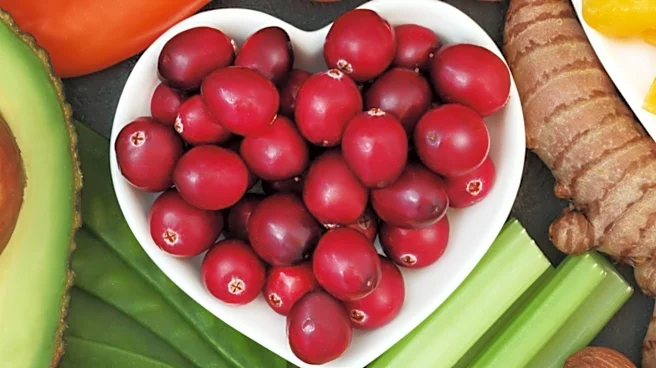
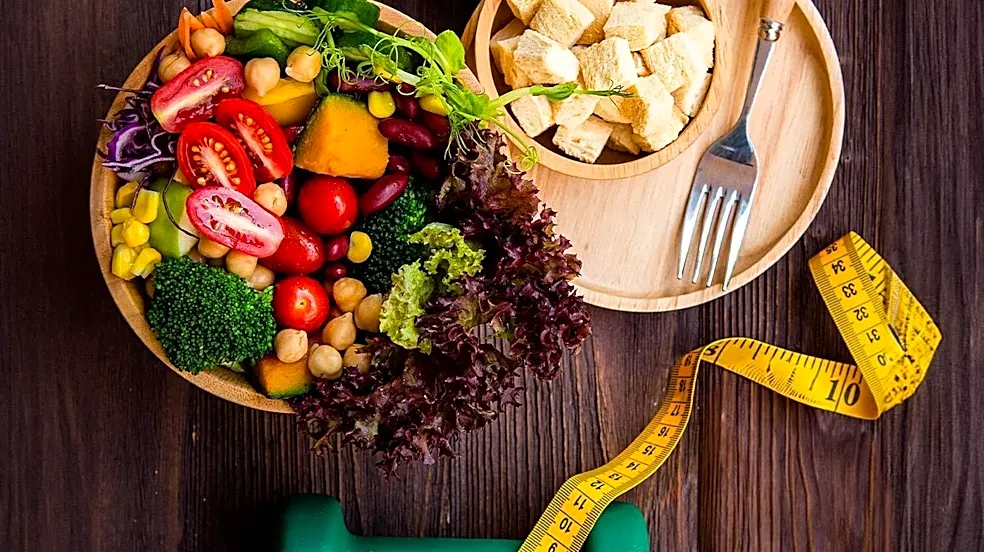
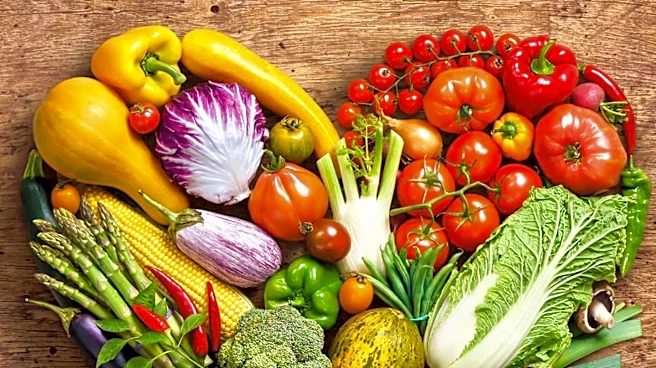
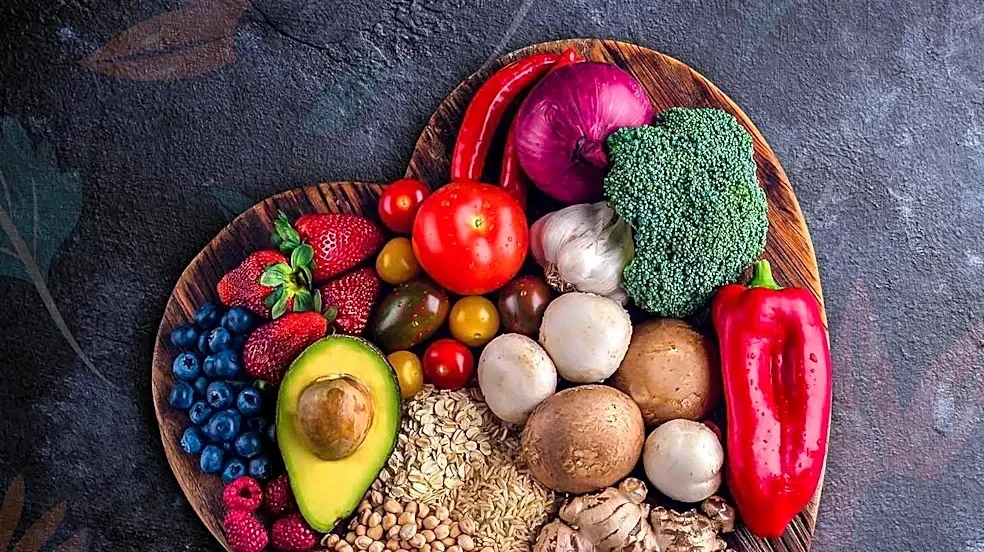
Clean eating, defined as consuming foods as close to their natural state as possible, is being highlighted as a key strategy for improving heart health. This approach advocates for whole fruits, vegetables, and unprocessed proteins such as eggs, beans,
and skinless chicken breasts. Conversely, it advises against highly processed items like commercial orange juice in favor of whole oranges, and turkey slices over commercially produced turkey meatballs. A significant component of clean eating for heart health involves reducing sodium intake, which is linked to increased blood pressure, heart attacks, and stroke. This means cutting back on salty snacks and being mindful of sodium in frozen, packaged, and processed foods, including bottled sauces and dressings. Additionally, limiting saturated and trans fats, found in butter, cheese, red meat, fried foods, and baked goods, is crucial as these fats can also elevate blood pressure and contribute to heart disease. The Mediterranean diet is cited as an example of a heart-healthy eating pattern, emphasizing olive oil, fish, beans, lentils, fruits, and vegetables.
Why It's Important?
The emphasis on clean eating is important for public health in the U.S. due to the widespread prevalence of heart disease, a leading cause of mortality. By promoting a diet rich in whole, unprocessed foods and low in sodium, saturated fats, and trans fats, this guidance aims to mitigate major risk factors for cardiovascular conditions. The recommendation to reduce sodium intake directly addresses hypertension, a common issue that significantly increases the risk of heart attacks and strokes. Similarly, controlling saturated and trans fat consumption is vital for managing cholesterol levels and preventing arterial plaque buildup. Shifting dietary habits towards clean eating could lead to a reduction in healthcare costs associated with treating heart disease and improve the overall quality of life for many Americans. The promotion of diets like the Mediterranean diet, known for its protective effects on the heart and brain, offers a practical and accessible framework for individuals seeking to adopt healthier eating patterns, potentially influencing food industry practices towards more natural and less processed offerings.
What's Next?
Individuals are encouraged to incorporate these clean eating principles into their daily routines. This involves making conscious choices at the grocery store, prioritizing fresh produce, lean proteins, and whole grains, and actively reading food labels to monitor sodium, saturated fat, and trans fat content. Home cooking with fresh ingredients and preparing homemade dressings can further reduce the intake of processed additives. Healthcare providers and nutritionists may increasingly recommend clean eating as a foundational element of heart disease prevention and management plans. The food industry might see a continued trend towards products marketed as 'clean label,' 'low sodium,' or 'heart-healthy' in response to growing consumer awareness and demand. Educational campaigns promoting the benefits of whole foods and the risks associated with processed items are likely to expand, aiming to shift public perception and dietary habits over time. The long-term success of these recommendations will depend on sustained public education and the accessibility of affordable, healthy food options.
Beyond the Headlines
The push for clean eating extends beyond immediate health benefits, touching upon broader societal and environmental implications. Ethically, it encourages a more mindful approach to food consumption, potentially fostering a greater connection to food sources and sustainable agricultural practices. Culturally, it challenges the convenience-driven, processed food culture prevalent in many parts of the U.S., advocating for a return to more traditional and natural eating habits. This shift could lead to a re-evaluation of food production systems, potentially favoring local and organic farming, which aligns with environmental sustainability goals. Economically, while initially perceived as more expensive, a long-term commitment to clean eating could reduce healthcare expenditures and boost industries focused on fresh, minimally processed foods. The emphasis on whole foods also highlights the importance of nutritional literacy, empowering individuals to make informed choices rather than relying on marketing claims. This movement could foster a more resilient and health-conscious society, less dependent on pharmaceutical interventions for preventable diseases.