







What's Happening?
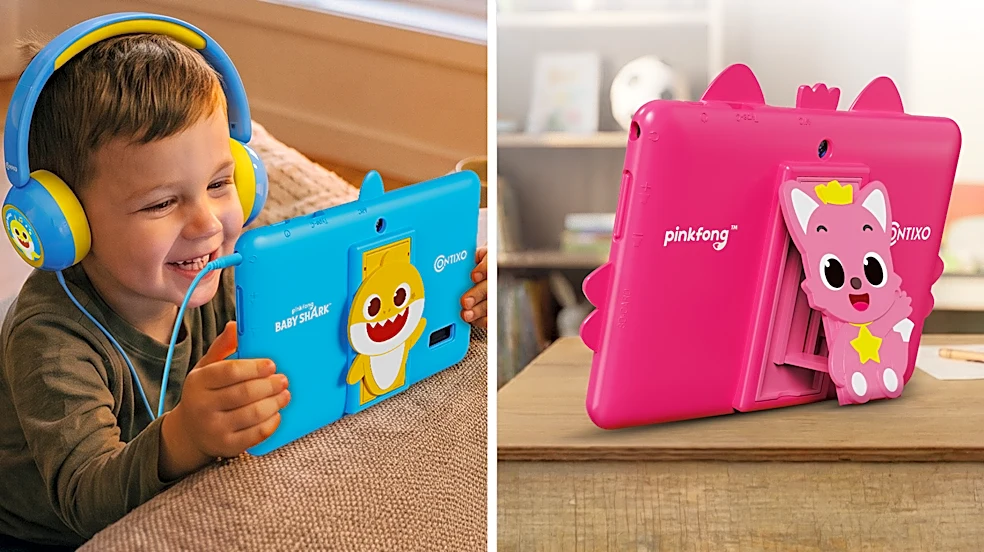
Lingokids and YouTube Kids provide distinct digital platforms for children's entertainment and learning, each with different approaches to content, advertising, and interactivity. Lingokids is designed for children aged 2 to 8, offering an interactive,
ad-free environment with curated games and activities. Its content is hand-picked and reviewed for young audiences, focusing on active engagement rather than passive viewing. In contrast, YouTube Kids is a free video-watching app with an extensive library of content, primarily driven by algorithmic recommendations. While it offers a vast range of familiar characters and shows, it includes ads for most users and relies on an autoplay feature by default. Both platforms offer parental controls, but their core functionalities cater to different parental preferences regarding screen time and content exposure.
Why It's Important?
The differences between Lingokids and YouTube Kids are significant for parents navigating children's digital consumption. Lingokids' ad-free, curated, and interactive model addresses concerns about commercial exposure and passive screen time, promoting active learning and engagement. This approach can offer parents greater peace of mind regarding content suitability and the potential for uninterrupted play. Conversely, YouTube Kids' free and expansive library provides unparalleled variety and accessibility, making it a popular choice for families seeking diverse content without a subscription cost. However, its reliance on algorithmic recommendations and the presence of ads necessitate more active parental supervision to filter potentially inappropriate content or manage commercial influences. The choice between these platforms reflects a broader debate on the balance between free access to content and the desire for a controlled, educational digital environment for children.
What's Next?
Parents will continue to weigh the benefits and drawbacks of ad-free, curated interactive apps like Lingokids against the vast, free, and algorithm-driven content of YouTube Kids. The trend towards more controlled and educational screen time experiences may lead to increased adoption of subscription-based, curated platforms. Conversely, the accessibility and sheer volume of content on free platforms like YouTube Kids will likely maintain its broad appeal, especially for families with diverse interests or budget constraints. Developers of both types of platforms may further refine their parental controls, content curation methods, and interactive features to address evolving parental concerns and educational needs. The ongoing development of digital literacy tools for parents will also be crucial in helping them make informed decisions about their children's online activities.
Beyond the Headlines
The divergence between Lingokids and YouTube Kids highlights a fundamental tension in the digital age: the trade-off between free, ad-supported content and paid, curated experiences. This extends beyond children's apps to the broader media landscape, influencing how content is produced, distributed, and consumed. For children, the implications are particularly profound, touching upon cognitive development, attention spans, and exposure to commercialism. The interactive nature of Lingokids, for instance, aligns with pedagogical theories emphasizing active learning, while the passive consumption often associated with YouTube Kids raises questions about its long-term impact on critical thinking and creativity. This dynamic also underscores the ethical responsibilities of tech companies in designing platforms for young audiences, particularly concerning data privacy, algorithmic bias, and the psychological effects of constant digital stimulation.