






What's Happening?
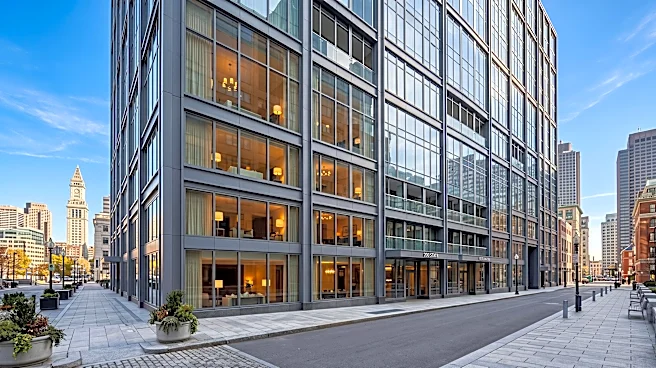
Investors interested in mixed-use properties, which combine residential and commercial spaces, face unique challenges in securing financing. These properties are categorized as either vertical, with commercial zones on the first floor and apartments above,
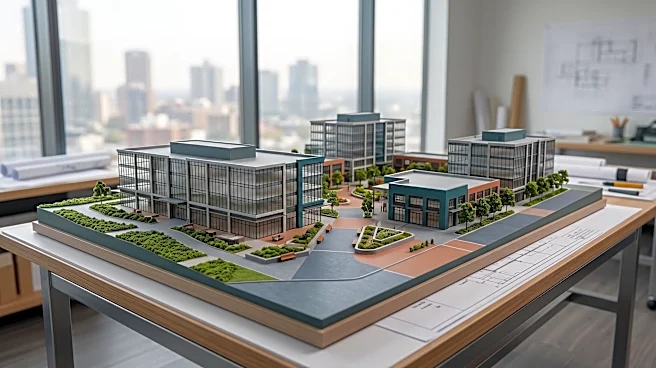
or horizontal, single-story buildings with different zones. The demand for live-work-play developments is increasing, with hundreds opening between 2016 and 2025. However, lenders evaluate mixed-use properties more strictly than residential homes due to their complex zoning and usage. The type of loan available, whether personal or commercial, depends on factors such as whether the owner will reside on the property and the proportion of space dedicated to non-residential use. Qualifying for these loans often involves higher down payments, detailed appraisals, and additional inspections, including environmental assessments and land surveys.
Why It's Important?
The complexities in financing mixed-use properties have significant implications for real estate investors and urban development. While these properties offer potential benefits like multiple income streams, property appreciation, and tax deductions, the stricter lending criteria can deter potential buyers. This can slow the development of integrated urban spaces that offer convenience to tenants and a built-in customer base for businesses. The difficulty in securing loans means that only well-capitalized investors or those with strong financial profiles may be able to enter this market, potentially limiting broader participation and innovation in mixed-use development. The stringent requirements also highlight the perceived higher risk associated with these properties by financial institutions, impacting their availability and growth in the market.
What's Next?
As demand for live-work-play developments continues to rise, lenders may need to adapt their financing products to better suit the unique characteristics of mixed-use properties. Investors will likely need to continue navigating a complex lending landscape, requiring thorough preparation of financial documents, detailed business plans, and potentially larger capital reserves for down payments. The trend of increasing mixed-use developments suggests that both developers and financial institutions will need to find more streamlined approaches to valuation and risk assessment. Future developments might include specialized loan products tailored for mixed-use properties, or increased government incentives to encourage such developments, especially in urban revitalization efforts. Investors should anticipate ongoing scrutiny from lenders regarding property usage, tenant quality, and overall financial viability.
Beyond the Headlines
The challenges in financing mixed-use properties reflect broader trends in urban planning and economic development. The push for more sustainable and integrated communities often relies on mixed-use models, which reduce commuting, foster local economies, and create vibrant neighborhoods. However, the financial system, traditionally structured around single-purpose properties, struggles to adapt to these hybrid models. This disconnect can hinder urban innovation and the creation of more livable cities. The stricter lending practices also raise questions about equitable access to real estate investment, as higher barriers to entry may exclude smaller investors or those from less privileged backgrounds. Overcoming these financing hurdles is crucial not only for individual investors but also for the evolution of urban landscapes and the realization of more integrated, community-focused living and working environments.