


What's Happening?
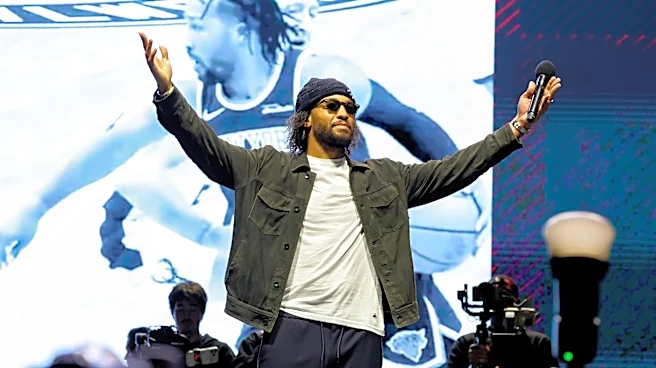
Saturday Night Live (SNL) aired its fifth episode of Season 52 on November 7, 2026, featuring Druski as a first-time host and The Strokes as the musical guest. Druski, a prominent digital content creator, made history as the first internet comedian to host the show.
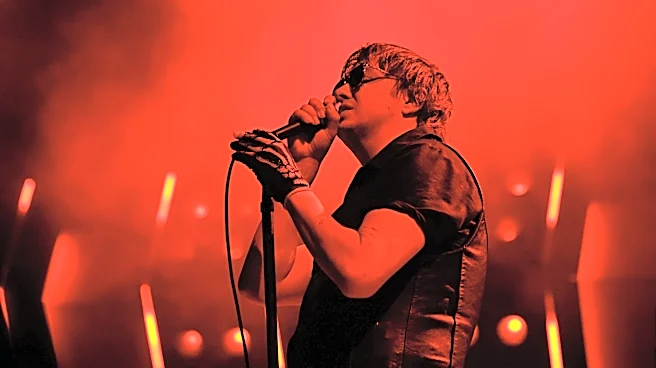
The episode was broadcast live coast-to-coast at 11:30 p.m. ET/10:30 p.m. CT/8:30 p.m. PT on NBC and was available for streaming the following day on Peacock. The Strokes, an indie rock band, returned for their fifth appearance on the SNL stage, performing songs from their latest album, 'Reality Awaits,' released in July 2026.
Why It's Important?
This episode marks a significant moment for SNL by featuring a digital content creator as a host, reflecting the evolving landscape of entertainment and celebrity. Druski's rise from viral internet memes and long-form satire videos to hosting a mainstream television institution like SNL highlights the increasing influence of online platforms on traditional media. This move could attract a younger, digitally native audience to SNL, broadening its viewership and demonstrating the show's adaptability. The return of The Strokes, a band with a long history with SNL, also underscores the show's ability to blend contemporary internet culture with established musical acts, maintaining its relevance across different demographics.
What's Next?
SNL's decision to embrace digital content creators as hosts may pave the way for more internet personalities to cross over into traditional television. This could lead to a shift in how talent is discovered and integrated into mainstream entertainment. The show will likely continue to experiment with its host and musical guest selections to keep its content fresh and appealing to a diverse audience. Fans can anticipate more surprises and unique pairings as Season 52 progresses, potentially setting new trends in late-night comedy and variety shows.
Beyond the Headlines
The inclusion of Druski as an SNL host signifies a broader cultural shift where the lines between digital and traditional entertainment are increasingly blurred. This development raises questions about the future of celebrity and the democratization of fame, as individuals can now build massive followings online without relying on conventional media gatekeepers. It also highlights the power of viral content and social media in shaping public taste and influencing mainstream programming decisions. This trend could lead to a re-evaluation of what constitutes 'talent' and 'star power' in the entertainment industry.