


What's Happening?
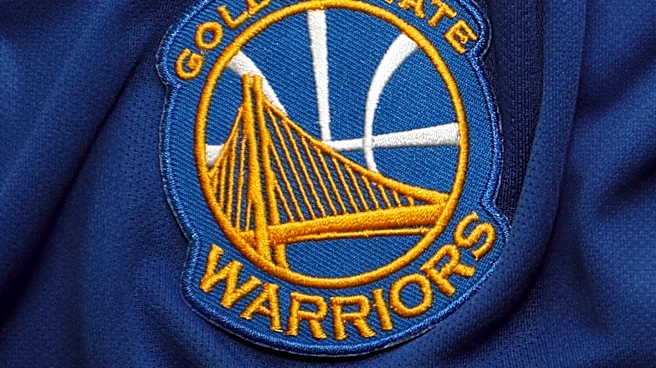
Joe Lacob and Peter Guber acquired the Golden State Warriors on July 15, 2010, for $450 million, setting an NBA record at the time. This purchase price significantly exceeded the team's Forbes valuation of $315 million seven months prior. The previous
owner, Chris Cohan, had bought the Warriors in 1995 for approximately $119 million, during which the team made only one playoff appearance in 15 years. Lacob, a former minority partner of the Boston Celtics and a Warriors season-ticket holder, along with Guber, who ran Mandalay Entertainment, outbid Oracle CEO Larry Ellison. Ellison, despite being the highest bidder, stated that Cohan chose to sell to someone else. Under Lacob and Guber's ownership, the team has seen substantial growth, both on and off the court, leading to its current valuation.
Why It's Important?
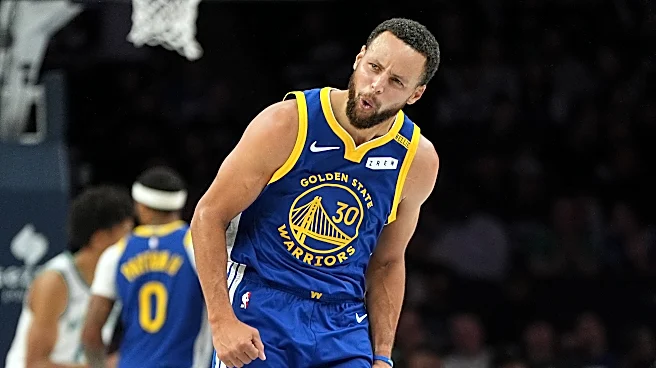
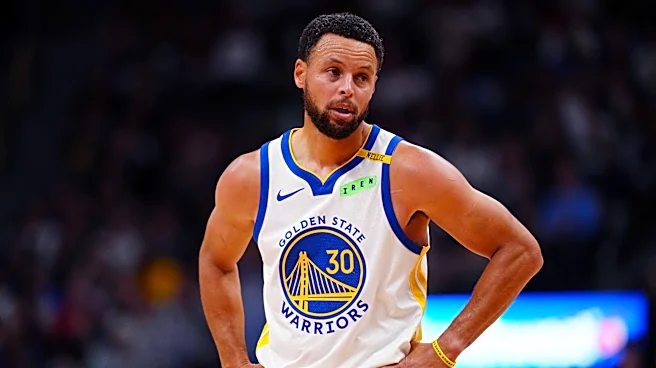
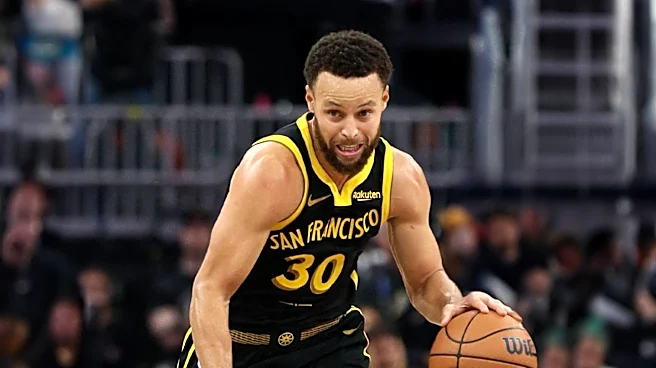
The Golden State Warriors' valuation reaching $13.5 billion, a 30-fold increase since its 2010 sale, highlights a significant trend in professional sports franchise economics. This valuation, the highest in the NBA, underscores the immense financial potential and investment appeal of successful sports teams. The team's strategy of "innovating and building," as articulated by Lacob, has translated into both athletic success—four championships with Stephen Curry—and robust financial performance. The construction of the $1 billion Chase Center without public funding further demonstrates a model of self-sustaining growth and strategic asset development. This success story provides a blueprint for other sports franchises on how to maximize value through a combination of on-court excellence, strategic business operations, and infrastructure investment, ultimately impacting the broader sports and entertainment industries.
What's Next?
The continued financial success and high valuation of the Golden State Warriors are likely to influence future NBA franchise sales and valuations. The team's consistent revenue generation, estimated at $942 million in 2025-26, significantly outperforming other NBA teams, sets a new benchmark for financial performance in the league. This trend could lead to increased investment in team infrastructure and player talent across the NBA as other franchises seek to emulate the Warriors' success. Furthermore, the model of private funding for large-scale sports venues, as seen with the Chase Center, may become a more prevalent approach, potentially reducing the burden on public funds for such projects. The Warriors' sustained dominance in revenue also suggests a continued focus on fan engagement and diversified income streams.
Beyond the Headlines
The remarkable appreciation of the Golden State Warriors' value reflects a broader shift in how professional sports teams are perceived—not just as entertainment entities, but as significant investment assets with substantial growth potential. The narrative of Lacob and Guber transforming a struggling franchise into a multi-billion-dollar enterprise highlights the impact of visionary ownership and strategic management. This case also brings to light the increasing financialization of sports, where teams are valued similarly to major corporations, attracting high-net-worth investors and influencing regional economies. The competitive bidding process, where even the highest bidder like Larry Ellison was bypassed, underscores the complex and often personal dynamics involved in high-stakes sports ownership transitions, where factors beyond just price can play a role in the final decision.