








What's Happening?
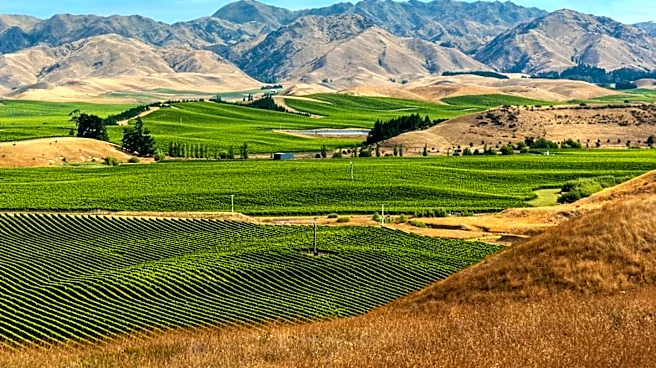
The Columbia Valley in Washington State is experiencing a surge in the planting and production of Vermentino, an Italian grape variety. Wineries like Grosgrain, Gorman Winery, Lawrence Vineyards, and Reali have begun cultivating Vermentino, with the earliest
offerings now reaching consumers. Matías Kúsulas, head viticulturalist at Lawrence Vineyards, notes the increasing popularity of the grape among wineries. Dick Boushey, a well-known grower, planted three acres of Vermentino in 2022 after being inspired by Italian and Californian examples. Winemakers are finding that Vermentino thrives in Washington's warm climate, retaining its acidity and brightness, making it a suitable addition to the region's diverse wine portfolio. The grape is being used both as a varietal wine and in blends, with some producers reporting it as a top seller.
Why It's Important?
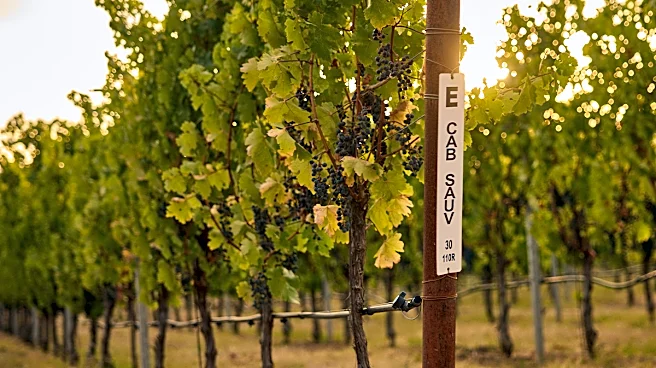
The introduction and successful cultivation of Vermentino in the Columbia Valley signify a diversification of the U.S. wine industry, particularly in Washington State. This expansion beyond traditional varietals like Cabernet Sauvignon and Merlot indicates a growing adventurousness among winemakers and consumers alike. For the U.S. wine market, it means a broader selection of wines, potentially attracting new consumers and catering to evolving palates. The ability of Vermentino to thrive in Washington's climate also suggests that other Mediterranean varieties could find success, further enriching the American wine landscape. This trend could lead to increased competition and innovation within the industry, benefiting both producers and consumers with more unique and high-quality wine options.
What's Next?
The future of Vermentino in Washington State will likely involve continued experimentation and expansion. Winemakers will further refine their understanding of the grape's optimal growing conditions and winemaking techniques in the Columbia Valley. As more vineyards mature and production increases, Vermentino could establish itself as a significant white wine varietal for the region. Consumer reception will play a crucial role in its long-term success; if demand continues to grow, more wineries may invest in planting Vermentino. The industry will also be watching to see if this success encourages the exploration of other less common grape varieties, potentially leading to a more diverse and resilient U.S. wine industry.
Beyond the Headlines
The adoption of Vermentino in Washington State reflects a broader shift in global viticulture, driven by climate change and evolving consumer preferences. As traditional wine regions face challenges from rising temperatures, varieties that thrive in warmer climates, like Vermentino, become more attractive. This move also highlights the innovative spirit of American winemakers, who are willing to experiment with new grapes to create distinctive regional expressions. Furthermore, the success of Vermentino could influence agricultural practices and land use in wine-growing regions, as growers adapt to new demands and environmental conditions. This trend could lead to a more sustainable and diverse wine industry in the U.S., capable of adapting to future challenges.