





What's Happening?
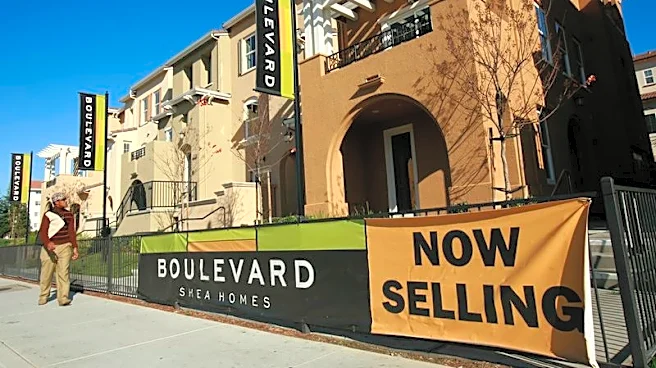
Mortgage rates in the United States have reached their highest level in a year, with the average 30-year fixed mortgage rate climbing to 6.66%, according to Freddie Mac's latest Primary Mortgage Market Survey. This increase from last week's 6.58% is attributed
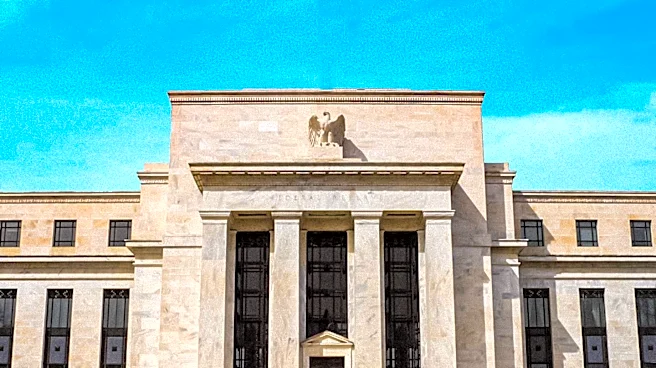
to ongoing economic uncertainties, including the conflict in Iran, which has driven up oil prices and Treasury yields. Despite the Federal Reserve's decision to keep interest rates steady, mortgage rates have continued to rise, closely tracking the 10-year Treasury yield, which is currently at 4.66%. The housing market is experiencing increased inventory, providing more options for prospective homebuyers, although elevated borrowing costs remain a challenge.
Why It's Important?
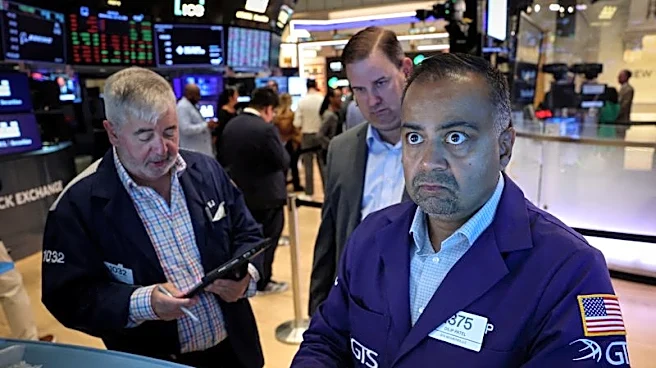
The rise in mortgage rates has significant implications for the U.S. housing market and economy. Higher rates can deter potential homebuyers, particularly first-time buyers who may struggle with increased borrowing costs. This could lead to a slowdown in home sales and a decline in mortgage applications, impacting the real estate market's overall activity. Additionally, the ongoing conflict in Iran and its effect on oil prices contribute to inflationary pressures, complicating the Federal Reserve's efforts to manage economic stability. The situation underscores the interconnectedness of global events and domestic economic conditions, highlighting the challenges faced by policymakers and stakeholders in navigating these complexities.
What's Next?
As mortgage rates continue to rise, the housing market may see further shifts in inventory and buyer behavior. Prospective buyers might delay purchasing decisions in hopes of more favorable rates, while sellers may adjust pricing strategies to attract buyers. The Federal Reserve's future actions regarding interest rates will be closely watched, as any changes could influence mortgage rates and the broader economic landscape. Additionally, developments in the Iran conflict and their impact on oil prices will remain a critical factor in shaping economic conditions and market responses.