


What's Happening?
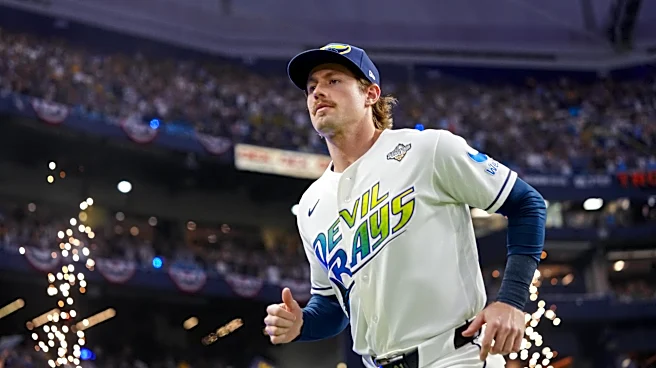
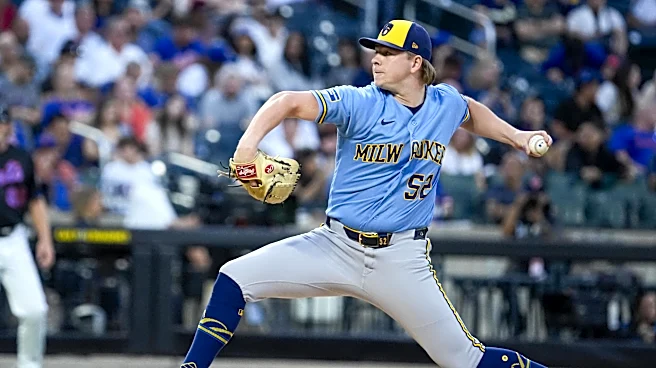
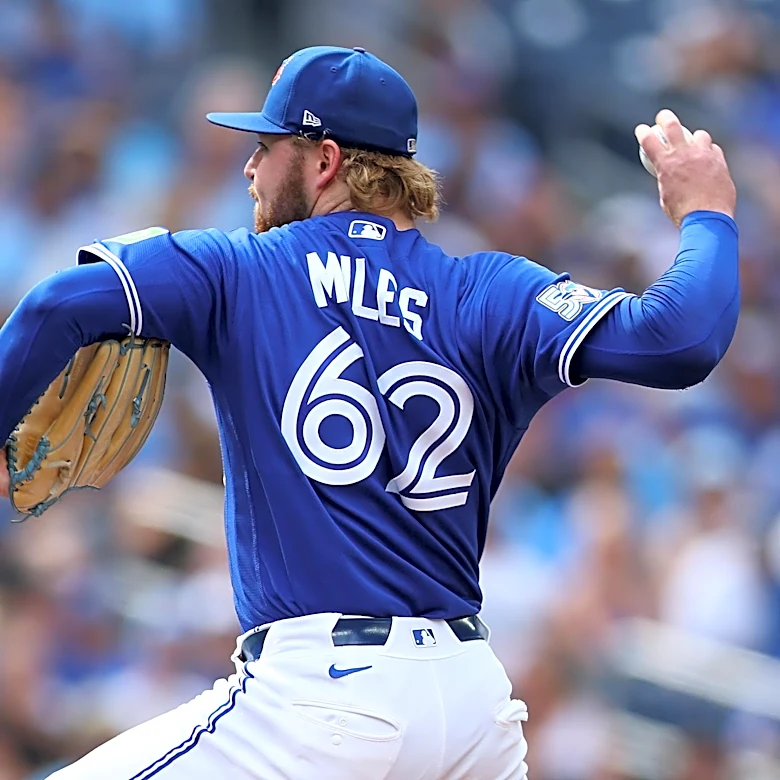
The Milwaukee Brewers' 2022 trade of All-Star closer Josh Hader is being re-examined in light of recent developments involving the prospects acquired. Initially, the trade was viewed negatively by many Brewers fans after the team's performance declined
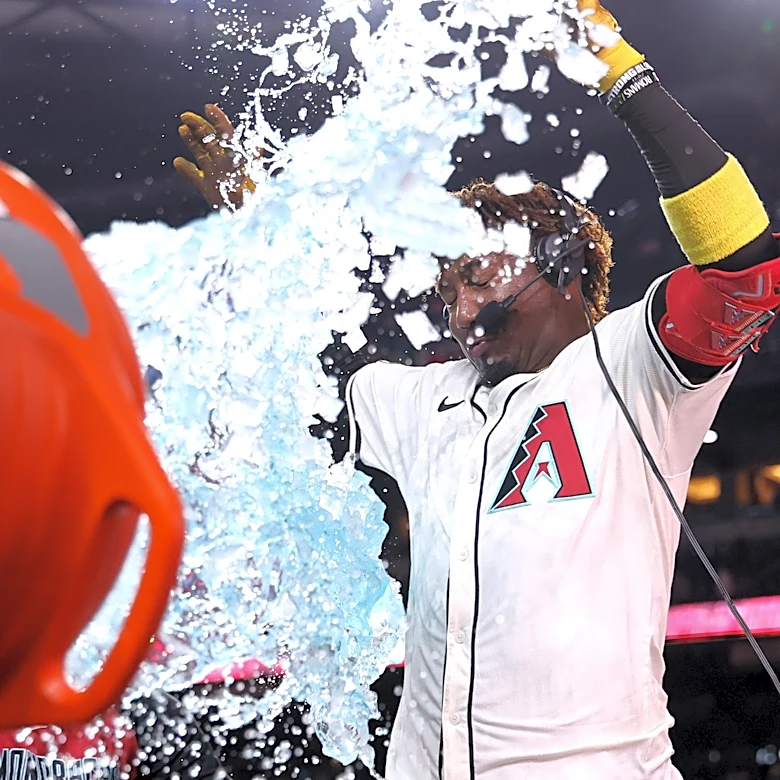
post-trade, leading to them missing the playoffs. The immediate returns, Taylor Rogers and Dinelson Lamet, did not perform as expected. However, four years later, the trade's long-term impact appears more favorable for Milwaukee. The deal ultimately brought southpaw Robert Gasser, who played a crucial role in the team's World Series title run, and led to the acquisition of William Contreras, who was named World Series MVP. This shift in perspective highlights the long-term nature of prospect-focused trades in Major League Baseball, where the true value of a deal often takes years to materialize. The Brewers' strategy of trading established stars for prospects has been a cornerstone of their recent team building.
Why It's Important?
This re-evaluation of the Josh Hader trade underscores a significant aspect of MLB team management: the strategic balance between short-term competitiveness and long-term sustainability through prospect development. For the Brewers, a smaller market team, successfully executing such trades is vital for maintaining competitiveness against teams with larger payrolls. The success of Gasser and Contreras, both indirectly linked to the Hader deal, validates the front office's patient approach and its ability to identify and develop talent. This strategy allows the Brewers to replenish their roster with cost-controlled players, ensuring a competitive window even after trading high-value assets. It also serves as a case study for other MLB franchises on the potential rewards of patience and strategic player development in the volatile landscape of professional baseball.
What's Next?
The Brewers will likely continue to employ a similar strategy of developing prospects and making strategic trades, especially as key players approach the end of their contracts. The success of past trades, like the Hader deal, reinforces this organizational philosophy. As players like William Contreras enter the final year of their contracts in 2027, they may become trade candidates, drawing interest from other teams. The Brewers' front office will face decisions on whether to extend these players or trade them for new prospects to maintain their long-term competitive window. This ongoing cycle of player development, strategic trades, and roster management will be crucial for the Brewers' sustained success in the coming seasons.
Beyond the Headlines
The evolving perception of the Josh Hader trade reflects a broader philosophical debate in professional sports regarding team building: the immediate gratification of winning versus the long-term investment in future talent. While fans often demand immediate results, front offices frequently operate with a multi-year outlook, understanding that prospect development is a high-risk, high-reward endeavor. This trade exemplifies how initial fan and media reactions can be premature, as the true impact of such moves often unfolds over several seasons. It also highlights the intricate web of transactions in baseball, where one trade can indirectly lead to multiple other impactful acquisitions, shaping a franchise's destiny for years. The Brewers' experience with the Hader trade serves as a testament to the value of patience and strategic foresight in baseball operations.