







What's Happening?
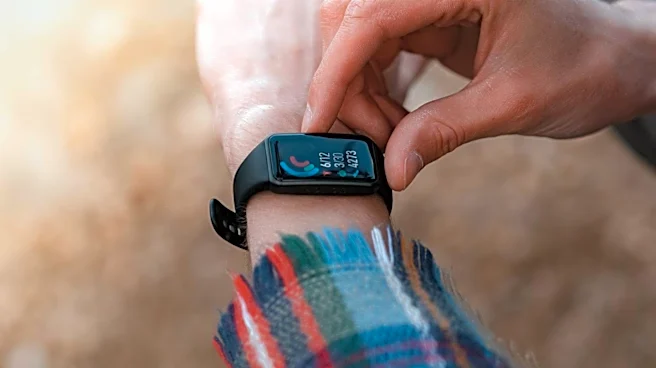
A new iPhone application named Correlate, developed by Taipei-based David Tseng, is designed to leverage existing Apple Watch health data to provide users with detailed recovery, strain, and sleep scores. Unlike many subscription-based health apps, Correlate is a one-time
purchase of $4.99 and operates entirely on the iPhone, ensuring user data privacy by not sending information to external servers. The app reads data directly from Apple Health, including overnight Heart Rate Variability (HRV), resting heart rate, sleep stages, exercise minutes, and active energy. A key feature of Correlate is its ability to test relationships between different health metrics, including with chosen time delays, allowing users to understand how one activity might affect another days later. It also allows for the import of historical data from WHOOP and Oura via official export files.
Why It's Important?
Correlate addresses a significant gap in the wearable technology market by providing advanced analytical capabilities for Apple Watch users without recurring subscription fees or external data sharing. This is important for individuals who are serious about optimizing their fitness and recovery but are wary of the privacy implications or ongoing costs associated with other platforms. By allowing users to audit their own health scores and understand the underlying calculations, Correlate promotes greater transparency and user empowerment in health management. The ability to analyze lagged relationships between metrics, such as how exercise minutes affect HRV days later, offers personalized insights that can inform training decisions and prevent overtraining, ultimately contributing to better health outcomes and injury prevention.
What's Next?
The introduction of Correlate could encourage more Apple Watch users to delve deeper into their health data, potentially leading to a more informed approach to personal fitness and recovery. As the app gains traction, it may influence other developers to offer similar transparent and privacy-focused analytical tools. The developer's roadmap includes potential integrations with other fitness platforms like Garmin, which would further expand its utility. The app's success could also highlight a growing consumer demand for ownership and control over personal health data, pushing the industry towards more user-centric models. Future updates might introduce more sophisticated analytical models or additional customization options for health score calculations.
Beyond the Headlines
Correlate's approach to health data analysis touches upon broader themes of data ownership, privacy, and the democratization of advanced analytics. In an era where personal data is often monetized, an app that processes all information locally on the device and charges a one-time fee stands out. This model challenges the prevalent subscription-based, cloud-dependent services in the health and fitness tech industry. Furthermore, by enabling users to conduct their own correlation analyses, Correlate fosters a more scientific and experimental mindset among individuals regarding their health, moving beyond simple data display to actionable insights. This could lead to a more engaged and knowledgeable user base, capable of making data-driven decisions about their well-being.