





What's Happening?
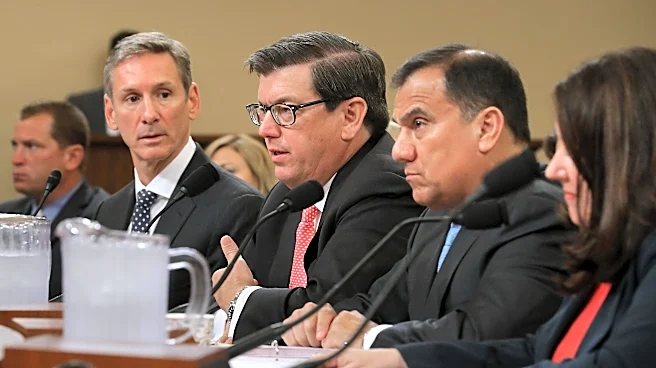
Lowell McAdam, former Chairman and CEO of Verizon Communications, and Pedro Pizarro, current President and CEO of Edison International, are prominent American business leaders whose careers are often examined for their impact on the telecommunications
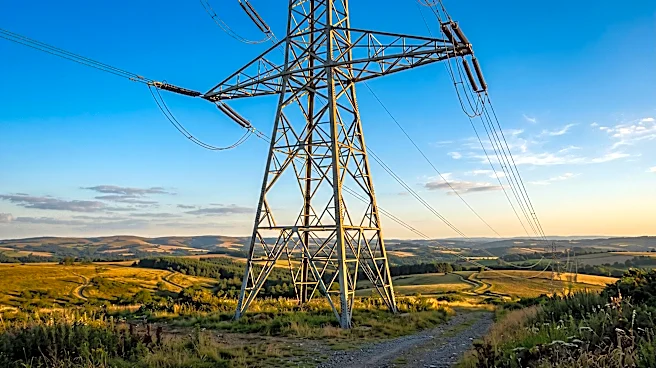
and energy sectors, respectively. McAdam led Verizon as CEO from August 2011 to 2018, overseeing the acquisition of Vodafone’s 45% stake in Verizon Wireless in 2014, which gave Verizon full ownership of its wireless business. His tenure also saw significant investments in wireless networks, broadband infrastructure, and digital services. Pizarro, who joined Edison International in 1999, became President and CEO in October 2016. He has focused on electricity infrastructure, grid modernization, energy reliability, and the transition to cleaner energy sources. While both have led major corporations, their professional paths have largely remained in distinct industries, with no publicly documented direct business partnership or personal relationship between them. Their connection is primarily seen through their comparable stature in American corporate leadership.
Why It's Important?
The careers of Lowell McAdam and Pedro Pizarro highlight the critical leadership roles required in two foundational U.S. industries: telecommunications and energy. McAdam's strategic decisions at Verizon, particularly the full acquisition of Verizon Wireless, significantly shaped the competitive landscape of the U.S. wireless market, impacting consumers through expanded network capabilities and services. His focus on broadband and digital services laid groundwork for future technological demands. Pizarro's leadership at Edison International is crucial for California's energy future, as he navigates the complexities of grid modernization and the transition to sustainable energy sources. His work directly influences energy reliability and environmental policy within one of the largest U.S. states. Both executives exemplify how strategic vision, technical understanding, and management skills are essential for guiding large organizations through periods of rapid technological change and evolving consumer needs, affecting millions of Americans daily through their access to communication and power.
What's Next?
While both McAdam and Pizarro have established significant legacies, the future implications of their work continue to unfold. For Verizon, the infrastructure and strategic direction set under McAdam's leadership continue to influence its competitive position in the ongoing 5G rollout and the expansion of fiber optic networks across the U.S. The company's ability to innovate in digital services will depend on these foundational investments. For Edison International, under Pizarro's continued leadership, the focus will remain on adapting to California's ambitious clean energy goals, which involves substantial investments in renewable energy integration, battery storage, and grid resilience against climate-related challenges. Future regulatory decisions and technological advancements will heavily influence the pace and success of these initiatives. Both industries face continuous pressure to evolve, suggesting that the strategic frameworks established by leaders like McAdam and Pizarro will be tested and adapted by their successors and current teams.
Beyond the Headlines
The parallel careers of McAdam and Pizarro offer a deeper insight into the evolving demands on corporate leadership in highly regulated and capital-intensive sectors. Beyond their direct business achievements, their experiences underscore the increasing convergence of technology and infrastructure. Telecommunications, once distinct, now underpins energy grid management through smart technologies, while energy demands drive innovation in data centers essential for telecommunications. This interdependency suggests that future leaders in these sectors will require a broader understanding of cross-industry dynamics. Furthermore, their leadership styles reflect different approaches to managing stakeholder expectations—from shareholders and employees to government regulators and the public. The challenges they faced, such as large-scale acquisitions and energy transitions, highlight the ethical considerations of corporate power and responsibility in shaping national infrastructure and environmental outcomes, influencing long-term societal well-being and economic stability.