


What's Happening?
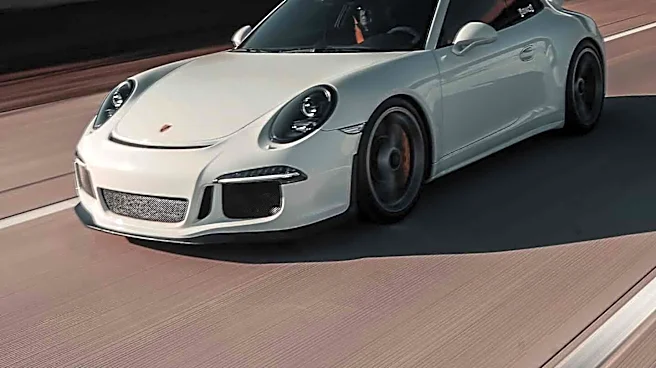
The 2026 Porsche 911 GT3 Touring has been reviewed, highlighting its unique position in the modern sports car market. Despite the trend towards high-horsepower hybrid and electric vehicles, the GT3 Touring maintains a naturally aspirated flat-six engine,
manual transmission, and rear-wheel drive. This model is noted for its understated appearance, lacking the prominent rear wing of a standard GT3, allowing it to blend in more easily. Key engineering improvements for the 2026 iteration include revised suspension mounting points, updated damper tuning for increased chassis compliance, shorter gearshift throws, and camshafts borrowed from the GT3 RS. These modifications aim to enhance both responsiveness and daily drivability. The car produces 502 horsepower and 331 lb-ft of torque, with a 9,000-rpm redline. Notably, 83% of Touring customers in 2025 opted for the manual transmission, underscoring its appeal to driving enthusiasts. The review emphasizes that while it may not win drag races against more powerful contemporaries, it offers an unparalleled engaging driving experience.
Why It's Important?
The continued production and refinement of the Porsche 911 GT3 Touring is significant for the automotive industry, particularly for enthusiasts who value traditional driving dynamics over raw power figures. In an era dominated by electrification and advanced driver-assistance systems, Porsche's commitment to a purist driving machine demonstrates a market segment that still prioritates mechanical engagement. This approach challenges the prevailing notion that performance is solely measured by acceleration times and horsepower. The high take-rate for manual transmissions in the Touring model indicates a strong demand for driver-centric features, potentially influencing other manufacturers to consider offering similar options. This also highlights a potential niche market for high-end sports cars that focus on the driving experience rather than just technological advancement, offering a counter-narrative to the industry's broader shift towards electric and autonomous vehicles.
What's Next?
The ongoing success and positive reception of models like the 911 GT3 Touring could encourage Porsche to continue investing in and developing vehicles that prioritize driver involvement and traditional sports car characteristics. Other luxury sports car manufacturers might observe this trend and consider offering more analog driving experiences in their future lineups, potentially leading to a diversification of offerings in the high-performance segment. For consumers, this means a continued availability of choices that cater to different preferences, from cutting-edge technology to classic driving purity. The market's willingness to pay significant markups for these vehicles also suggests that demand for such specialized cars will remain strong, potentially influencing pricing strategies and production volumes for future iterations.
Beyond the Headlines
The enduring appeal of the Porsche 911 GT3 Touring reflects a deeper cultural appreciation for craftsmanship, engineering purity, and the art of driving. In a world increasingly automated and digitized, the car serves as a tangible connection to a more visceral and skill-based interaction between human and machine. This phenomenon extends beyond mere automotive preference, touching upon broader themes of nostalgia, authenticity, and the desire for control in an increasingly complex environment. The car's design, which subtly hides its performance capabilities, also speaks to a certain connoisseurship, where value is placed on intrinsic quality and experience rather than overt display. This trend suggests a counter-movement against the superficiality often associated with luxury goods, favoring substance and a profound connection to the product.