




What's Happening?
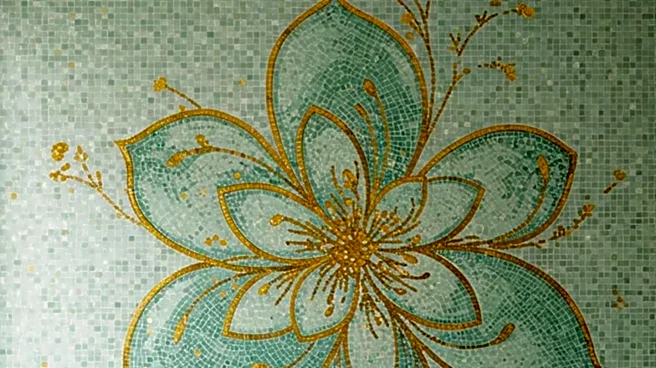
Mosaic tile typically carries a higher cost than regular tile, a difference attributed to several factors including material, manufacturing processes, and installation requirements. While a simple ceramic mosaic can be affordable, options like marble,
glass, or custom mosaics often surpass the price of standard ceramic or porcelain tiles. The production of mosaic tiles involves more intricate steps, such as cutting, sorting, arranging, and mounting small pieces onto mesh sheets, which adds to the overall processing cost. Furthermore, complex patterns like herringbone, hexagon, basketweave, and penny round designs increase production expenses. The material itself plays a significant role, with natural marble or premium glass mosaics being more expensive than basic ceramic alternatives. Installation also contributes to the higher cost, as the numerous grout joints in mosaic tiles demand more labor, especially for intricate designs, curved surfaces, and decorative applications. Despite the higher cost, mosaics offer unique advantages such as greater design flexibility, easier application on curved surfaces, and enhanced decorative potential for specific areas like swimming pools, shower floors, and premium interiors.
Why It's Important?
The cost disparity between mosaic and regular tiles impacts consumers and businesses involved in construction, interior design, and renovation projects across the U.S. For homeowners, understanding these cost factors is crucial for budgeting and making informed decisions about material selection for bathrooms, kitchens, and other living spaces. Businesses, including contractors, developers, and tile suppliers, must account for these pricing differences in their project bids and inventory management. The higher labor costs associated with mosaic installation can affect project timelines and overall profitability for construction firms. Conversely, the aesthetic and functional benefits of mosaic tiles, such as their adaptability to curved surfaces and ability to create intricate designs, can justify the increased investment for high-end projects or specialized applications. This dynamic influences market demand for different tile types and the strategies manufacturers employ to balance cost-effectiveness with design innovation.
What's Next?
As consumers continue to seek personalized and aesthetically pleasing interior designs, the demand for mosaic tiles, despite their higher cost, is likely to persist in niche markets. Manufacturers may focus on developing more cost-effective mosaic options, such as stone-look porcelain or ceramic mosaics, to cater to budget-conscious buyers who desire the appearance of premium materials. Wholesale and project buyers will continue to prioritize strategies like selecting standard sizes and patterns, comparing different materials, and purchasing in larger quantities to control costs. The industry may also see advancements in installation techniques or materials that could potentially reduce labor costs associated with mosaic tile application. For large-scale commercial projects, the decision to use mosaic tiles will remain a balance between aesthetic impact, functional requirements, and overall project budget, with careful consideration of total project cost rather than just the per-square-foot price of the tile.
Beyond the Headlines
The preference for mosaic tiles in certain applications, despite their higher cost, reflects broader trends in consumer behavior and design philosophy. The emphasis on customization and unique aesthetic appeal in residential and commercial spaces drives demand for specialized materials. The use of mosaics in areas like swimming pools and shower floors highlights their functional superiority in conforming to irregular shapes and providing slip resistance due to increased grout lines. This also points to a willingness among consumers and developers to invest more for specific performance characteristics and visual impact. The market for mosaic tiles also underscores the craftsmanship involved in tile manufacturing and installation, distinguishing it from more mass-produced, standardized tiling solutions. This segment of the tile industry contributes to a diverse market, offering a range of options that cater to various design aspirations and functional needs, thereby influencing architectural and interior design trends.