




What's Happening?
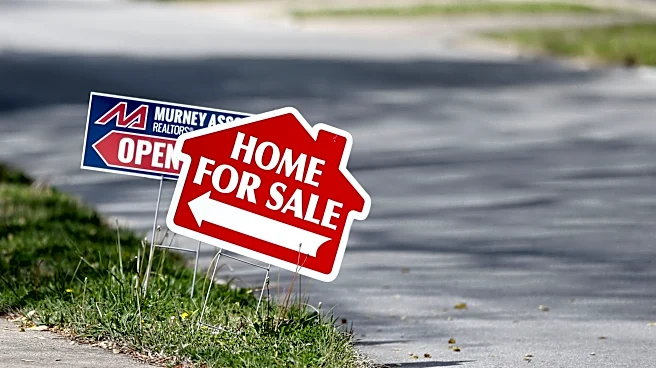
The San Antonio Board of Realtors states it is too early to determine the impact of hyperscale data centers on home prices and utility bills in the region. While data centers have existed in the area for some time, the recent emergence of hyperscale versions
presents new questions regarding their effects. For instance, the 158-acre Microsoft Texas Research Park, a large data center in Bexar County, is surrounded by residential homes. Some residents, like one homeowner speaking through a doorbell camera, have reported high water and electricity bills since moving into the vicinity, speculating a possible connection to the data center. Conversely, another resident, Robb Schultz, who has lived in the neighborhood for 18 months, has not observed significant changes in his utility bills or noise levels. However, his neighbor, Tracy Coleman, expressed dissatisfaction with her living situation, attributing high costs to the proximity of the data center. The San Antonio Board of Realtors plans to closely monitor the market for any emerging trends or changes.
Why It's Important?
The uncertainty surrounding the impact of hyperscale data centers on local home values and utility costs is significant for residents and the real estate market in San Antonio. If these facilities are found to contribute to higher utility bills, it could lead to increased living expenses for homeowners, potentially affecting housing affordability and desirability in areas near data centers. For the real estate industry, a clear understanding of these impacts is crucial for accurate property valuations and for advising potential buyers and sellers. The differing experiences among residents highlight the need for comprehensive studies to assess the actual effects. This situation could influence future urban planning and zoning decisions, particularly concerning the placement of large industrial facilities like data centers in residential proximity. The long-term economic implications for the region, including potential shifts in property demand and local tax revenues, remain to be seen.
What's Next?
The San Antonio Board of Realtors will continue to monitor the local real estate market to gather more data on how hyperscale data centers might be influencing home values and utility costs. This ongoing observation will be crucial for understanding any long-term trends. Residents in affected areas may continue to voice concerns regarding utility expenses and quality of life, potentially prompting further investigation by local authorities or utility providers. Future developments in urban planning and zoning regulations could be influenced by these findings, potentially leading to new guidelines for the siting of data centers, especially in proximity to residential zones. The experiences of homeowners like Tracy Coleman and Robb Schultz will likely contribute to a broader discussion about the balance between technological infrastructure development and community well-being.
Beyond the Headlines
The debate over data centers' impact extends beyond immediate home values and utility bills, touching upon broader environmental and community planning considerations. Hyperscale data centers are known for their substantial energy and water consumption, raising questions about their environmental footprint and strain on local resources. The potential for increased utility costs for nearby residents could highlight issues of environmental justice, where the burdens of industrial development disproportionately affect certain communities. Furthermore, the differing experiences of residents underscore the complexity of assessing such impacts, as individual perceptions and circumstances can vary widely. This situation could also spark discussions about corporate responsibility in community development and the need for transparent communication regarding the potential effects of large-scale industrial operations on local populations. The long-term integration of such facilities into urban landscapes will require careful consideration of economic benefits versus social and environmental costs.