




What's Happening?
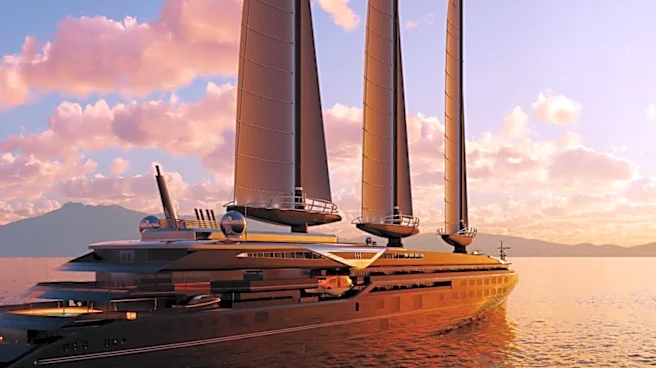
Gabe Newell, co-founder of Valve Corporation, has commissioned a 111-meter superyacht named 'LEVIATHAN,' launched in 2025. Built by the Dutch shipyard Oceanco, the vessel emphasizes purpose and sustainability. Its design is a collaborative effort, with
exteriors by Oceanco, interiors by Mark Berryman Design, and naval architecture by Lateral Naval Architects. A key aspect of its development was a human-centric design approach, incorporating crew input from the initial stages to improve operational efficiency and onboard living conditions. The yacht deliberately avoids high-maintenance materials, opting for durable composites and honed stone instead of traditional teak and polished surfaces. This choice reflects a commitment to longevity and reduced environmental impact. The LEVIATHAN is equipped with a hybrid diesel-electric propulsion system and a substantial battery bank, enabling extended periods of silent, emission-free cruising. Constructed with a steel hull and aluminum superstructure, it can accommodate up to 22 guests and 33 crew members. Beyond luxury, the vessel is also outfitted to support marine research, blending opulent amenities with scientific discovery.
Why It's Important?
The commissioning of the 'LEVIATHAN' by a prominent figure like Gabe Newell highlights a growing trend among high-net-worth individuals towards sustainable luxury. This project demonstrates that environmental consciousness can be integrated into high-end consumer goods, potentially influencing the broader superyacht industry to adopt more eco-friendly practices. The yacht's hybrid propulsion system and focus on durable, low-maintenance materials set a precedent for future vessel construction, pushing manufacturers towards innovation in green technology. Furthermore, the inclusion of marine research capabilities signifies a shift where private luxury assets can also serve scientific and philanthropic purposes. This dual functionality could inspire other wealthy individuals to invest in projects that combine personal enjoyment with contributions to scientific advancement and environmental conservation. The emphasis on crew input in the design process also underscores a growing recognition of the importance of human factors in operational efficiency and well-being within the maritime sector.
What's Next?
The 'LEVIATHAN' is expected to continue its operations, potentially serving as a model for future sustainable superyacht designs. Its performance in terms of efficiency, emissions reduction, and operational costs will likely be closely watched by the maritime industry. Success in these areas could accelerate the adoption of hybrid propulsion systems and sustainable material choices across the luxury yacht market. Furthermore, its involvement in marine research could lead to new scientific discoveries and collaborations, potentially inspiring other yacht owners to equip their vessels for similar purposes. The vessel's operational data and research outcomes may be shared with the broader scientific community, contributing to a better understanding of marine environments. The human-centric design elements, if proven successful in enhancing crew welfare and efficiency, could also become a standard consideration in future yacht builds, influencing design philosophies across the industry.
Beyond the Headlines
The 'LEVIATHAN' represents more than just a luxury vessel; it embodies a philosophical shift towards responsible wealth and sustainable living, even at the highest echelons of affluence. This project challenges the traditional perception of superyachts as purely extravagant symbols, instead presenting them as platforms for innovation, environmental stewardship, and scientific exploration. The integration of advanced green technology and a commitment to durability over fleeting luxury suggests a long-term vision that prioritizes impact beyond immediate gratification. Ethically, it raises questions about the role of private wealth in addressing global challenges like climate change and scientific research. By actively supporting marine research, Newell's initiative could inspire a new paradigm where private assets are leveraged for public good, blurring the lines between luxury, philanthropy, and scientific endeavor. This could foster a cultural shift among the ultra-wealthy, encouraging them to invest in projects that offer both personal enjoyment and societal benefit.