








What's Happening?
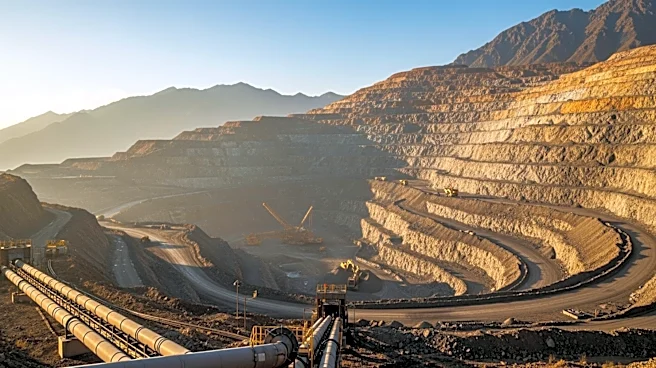
Capstone Copper has identified significant groundwater issues at its Mantos Blancos copper mine in northern Chile, which it plans to address as part of a major expansion. The expansion aims to increase sulphide concentrator throughput from 20,000 to 27,000
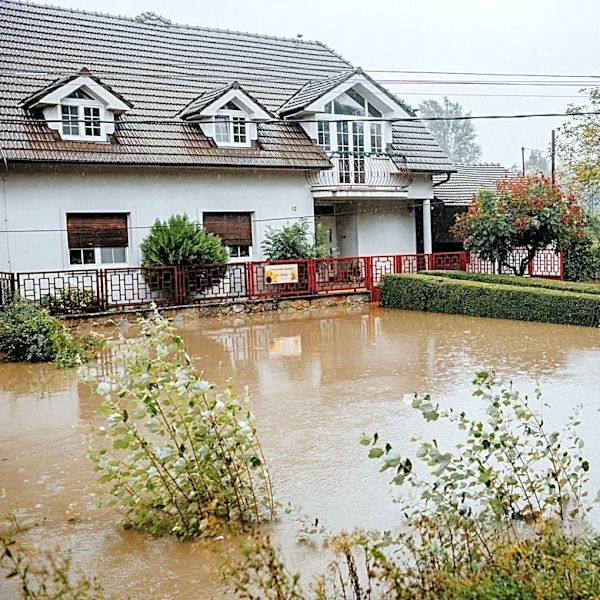
tons of ore per day. The company plans to submit an environmental impact assessment by the end of June. Previous environmental concerns have linked mining activities to groundwater seepage and infiltration, prompting regulatory scrutiny. Capstone's proposal includes long-term water-control measures to mitigate these impacts.
Why It's Important?
The groundwater issues at Mantos Blancos highlight the environmental challenges faced by mining operations in water-scarce regions. As global demand for copper rises, companies like Capstone must balance production with environmental stewardship. The situation underscores the increasing regulatory and community expectations for sustainable mining practices. Failure to address these concerns could lead to operational delays, increased costs, and reputational damage. The outcome of Capstone's environmental assessment will be closely watched by industry stakeholders and could set a precedent for future mining projects in similar regions.
What's Next?
Capstone's submission of an environmental impact assessment will be a critical step in its expansion plans. The company may need to invest significantly in groundwater control measures to satisfy regulatory requirements. The response from Chilean authorities and local communities will be pivotal in determining the project's future. If approved, the expansion could enhance Capstone's production capacity and market position. However, ongoing environmental scrutiny may lead to further adjustments in operational practices to ensure compliance and sustainability.