



What's Happening?
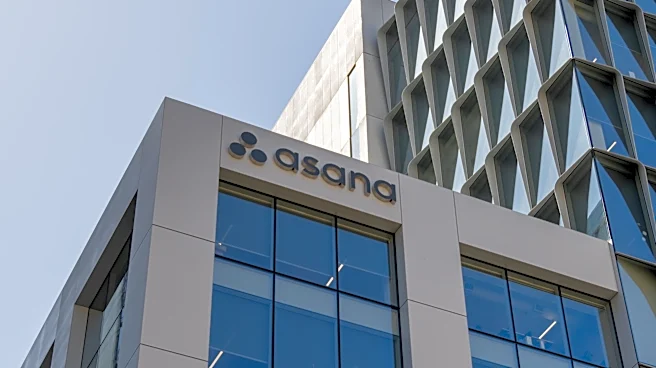
Asana, a platform specializing in human + AI collaboration, is actively recruiting a Staff Product Designer in New York City. This role is central to reimagining Asana's workload and capacity planning experiences, with a particular focus on integrating
AI-powered features. The new designer will be tasked with transforming complex staffing and scheduling challenges into intuitive tools, making it easier for teams to manage availability and balance workloads. A key aspect of the role involves designing smart, AI-powered resource planning features to automate manual upkeep and partnering with the Client Management team to develop specialized capacity-planning tools for professional services agencies. The position is based in Asana's New York office, following a hybrid work model with in-office days on Monday, Tuesday, and Thursday.
Why It's Important?
This hiring initiative by Asana underscores a significant trend in the technology sector: the increasing integration of artificial intelligence into enterprise software solutions. By enhancing its resource management capabilities with AI, Asana aims to provide more sophisticated and efficient tools for businesses, potentially setting a new standard for project management and workforce allocation. This development is crucial for U.S. businesses, particularly those in professional services, as it promises to streamline operations, reduce manual effort, and improve profitability through optimized resource utilization. Companies that adopt such AI-driven platforms stand to gain a competitive advantage by making smarter staffing decisions and proactively addressing staffing risks, thereby impacting productivity and operational efficiency across various industries.
What's Next?
The successful candidate for the Staff Product Designer role will play a pivotal part in shaping the future of Asana's resource management offerings. Their work will directly influence the development of next-generation features, including AI Teammates that monitor utilization in real-time and suggest rebalancing work before deadlines are missed. This focus on AI-driven solutions indicates a strategic direction for Asana, suggesting future product updates will likely emphasize automation, predictive analytics, and enhanced collaboration tools. The company's commitment to an office-centric hybrid model for this role also highlights a continued belief in the value of in-person collaboration for complex product development, even as remote work options remain prevalent in the tech industry.
Beyond the Headlines
Asana's investment in AI-powered resource management reflects a broader shift in how organizations approach workforce planning and project execution. The move towards 'smart' tools that can anticipate staffing needs and rebalance work autonomously raises questions about the evolving nature of human-AI collaboration in the workplace. While these tools promise increased efficiency and reduced administrative burden, they also necessitate a re-evaluation of skill sets required for employees, who may need to adapt to working alongside AI systems. This development could lead to a more strategic role for human managers, focusing on higher-level decision-making and oversight, while AI handles routine resource allocation. It also highlights the ethical considerations around AI's role in employment decisions and the need for transparent, unbiased algorithms in such critical business functions.