







What's Happening?
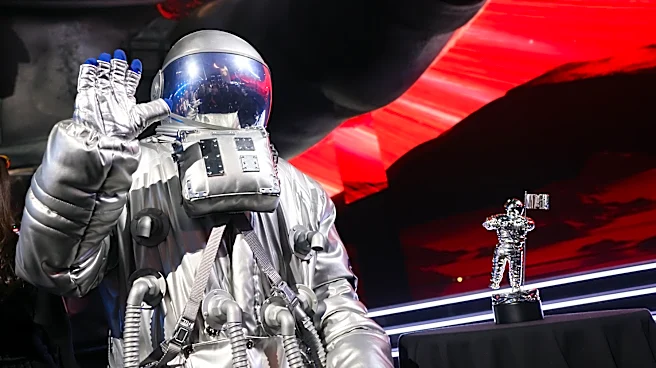
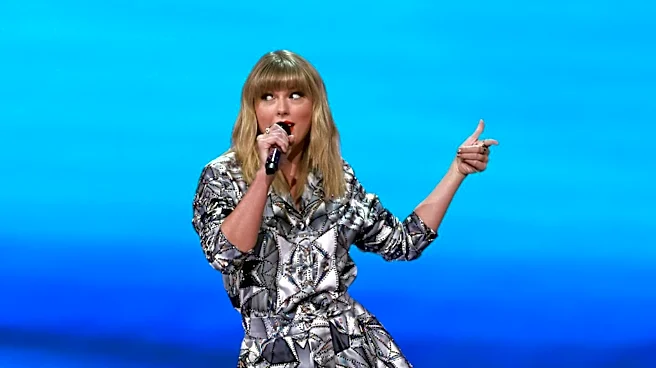
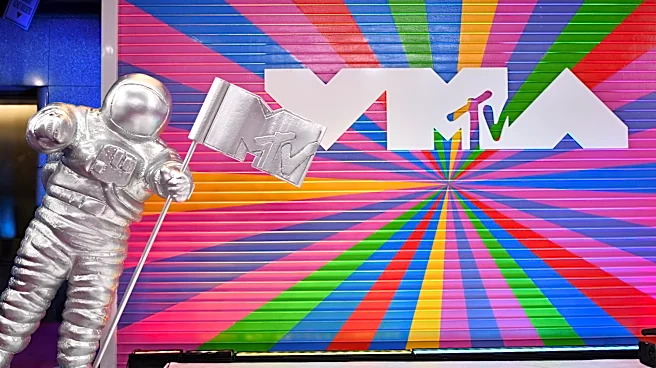
Taylor Swift set a new record for MTV VMA wins, underscoring the continued relevance of music videos for A-list artists in the pop music genre. Despite MTV having axed five music channels in the UK last year due to changing viewing habits, the VMAs remain
a significant event for the music industry. Cinematographer Melissa Cofie notes that music videos, while perhaps appearing performative, require extensive effort, comparable to film production. The purpose of music videos has evolved from being a crucial part of an artist's press run to a means for artists like Swift, Sabrina Carpenter, and Olivia Rodrigo to connect with fans and visually expand their album eras. Swift's videos are known for their large budgets and inclusion of 'Easter eggs' for fans. However, changes in U.S. chart rules, where YouTube streams no longer count towards the Top 100, may discourage some U.S. artists from investing heavily in elaborate music videos. Conversely, in international markets like K-Pop, visually aesthetic music videos with polished choreography are essential for global promotion, with artists like BTS and Blackpink releasing multiple video types to boost streaming numbers and chart positions.
Why It's Important?
The continued prominence of the MTV VMAs and artists like Taylor Swift highlights a significant shift in how pop music is consumed and marketed in the U.S. and globally. While traditional music television channels have declined, the visual component of music remains vital, albeit through new platforms like social media. This evolution impacts artists' strategies, with a greater emphasis on creating content suitable for short-form platforms like TikTok, Instagram, and YouTube. The change in U.S. chart rules regarding YouTube streams could influence investment in music video production by American artists, potentially leading to a divergence in production values between U.S. and international acts, particularly K-Pop, where elaborate visuals are a cornerstone of their global appeal. This also affects how fans engage with music, moving from passive viewing on TV to active participation and discovery on social media, influencing what content artists prioritize to capture attention in a crowded digital landscape.
What's Next?
Artists and industry professionals will likely continue to adapt their music video strategies to align with evolving consumption patterns and platform algorithms. The emphasis on creating short, engaging clips for social media platforms is expected to grow, pushing creatives to convey their message quickly and effectively. This could lead to more experimental and innovative approaches to visual storytelling within shorter formats. The impact of chart rule changes on U.S. artists' music video budgets will be closely watched, potentially leading to new models for funding and distributing visual content. International markets, particularly K-Pop, will likely continue to set trends in high-production-value music videos and diverse visual content to maintain global engagement. The industry will also need to balance the desire for elaborate productions with the need for content that can go viral on platforms like TikTok, influencing both creative and financial decisions.
Beyond the Headlines
The evolving role of music videos reflects broader cultural shifts in attention spans and media consumption, driven by the pervasive influence of social media. The 'Easter egg' phenomenon in Taylor Swift's videos, for instance, transforms passive viewing into an interactive, community-driven experience, fostering deeper fan engagement. This trend extends beyond music, influencing how narratives are constructed and consumed across various media. The distinction between U.S. and international approaches to music video investment, partly driven by chart rules, could also highlight differing cultural values placed on visual artistry versus pure audio performance. Furthermore, the rise of platforms like TikTok as primary discovery tools challenges traditional gatekeepers of music promotion, democratizing access for artists but also demanding constant innovation in content creation to capture fleeting attention. This ongoing transformation blurs the lines between music, visual art, and social interaction, reshaping the very definition of pop culture.