


What's Happening?
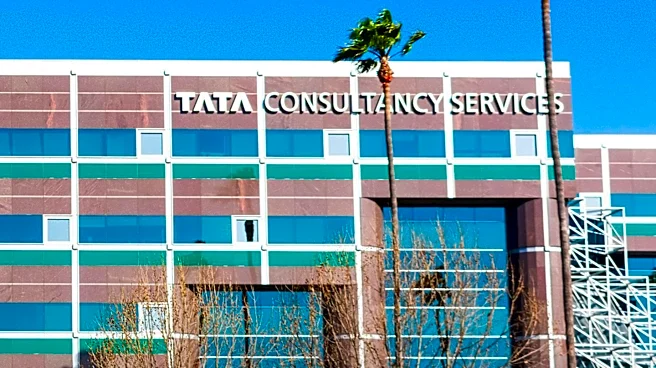
Tata Consultancy Services (TCS) has approved the acquisition of 100% of MHP Management- und IT-Beratung GmbH, Porsche AG's management and IT consulting subsidiary, for an enterprise value of EUR 320 million. This transaction is part of a broader five-year
strategic partnership between TCS and Porsche, valued at EUR 1.25 billion. The partnership aims to accelerate AI-powered mobility and transformation within Porsche's operations. TCS Netherlands B.V., a wholly-owned subsidiary of TCS, will execute the acquisition through cash consideration. The deal is subject to regulatory approvals from the European Commission, the EU Foreign Subsidies Regulation, and Romanian foreign direct investment laws, with an application for a certificate of non-objection also to be submitted in Germany. The acquisition is expected to be completed within 3 to 4 months. MHP, headquartered in Ludwigsburg, Germany, reported a turnover of EUR 742 million in CY2025 and employs approximately 4,500 people across its global operations, including in the USA.
Why It's Important?
This acquisition significantly strengthens TCS's presence in the European automotive market, particularly in Germany, and enhances its capabilities in AI, product engineering, and business transformation for industrial clients. For Porsche, the partnership allows it to focus on its core business while leveraging TCS's expertise to industrialize AI across its engineering, manufacturing, operations, customer experience, and enterprise transformation agendas. The establishment of a dedicated AI Mobility Centre of Excellence for Porsche by TCS underscores a commitment to developing and scaling AI use cases across the mobility value chain. This collaboration is poised to drive next-generation automotive technology services and software-defined mobility platforms, impacting the future of the automotive industry by integrating advanced AI and digital solutions into vehicle development and operational processes. The deal highlights a growing trend of technology companies partnering with traditional industries to accelerate digital transformation and innovation.
What's Next?
The acquisition is pending several regulatory approvals, including from the European Commission and German authorities, with an expected completion timeframe of 3 to 4 months. Once approved, TCS will integrate MHP's expertise in automotive and industrial consulting, digital transformation, AI, and SAP transformation into its global operations. The five-year strategic partnership with Porsche will then fully commence, focusing on the industrialization of AI across Porsche's various business functions. TCS will also proceed with establishing the dedicated AI Mobility Centre of Excellence for Porsche. This will likely lead to the development and deployment of new AI-driven solutions in areas such as connected mobility and manufacturing digitalization, potentially setting new benchmarks for the automotive sector's digital evolution. The market will closely watch the integration process and the initial outcomes of the AI-powered initiatives.
Beyond the Headlines
The strategic partnership between TCS and Porsche, facilitated by the MHP acquisition, represents a significant shift towards software-defined mobility and AI-driven innovation in the automotive sector. This move could set a precedent for how traditional automotive manufacturers collaborate with technology giants to remain competitive and relevant in an increasingly digital landscape. The focus on industrializing AI across the entire value chain, from engineering to customer experience, suggests a comprehensive approach to digital transformation that goes beyond mere technological adoption. It highlights the ethical and practical challenges of integrating AI into critical systems, such as autonomous driving and manufacturing, requiring robust frameworks for data privacy, security, and algorithmic transparency. Furthermore, the deal underscores the global nature of technological advancement, with an Indian IT powerhouse acquiring a German subsidiary to serve a German automotive icon, reflecting the interconnectedness of the modern global economy and the universal demand for advanced digital capabilities.