






What's Happening?
Hilton Hotels & Resorts is promoting a variety of holiday travel options for the 2026-2027 season, catering to different traveler preferences. The offerings range from traditional festive experiences in European cities like Vienna, Budapest, and London,
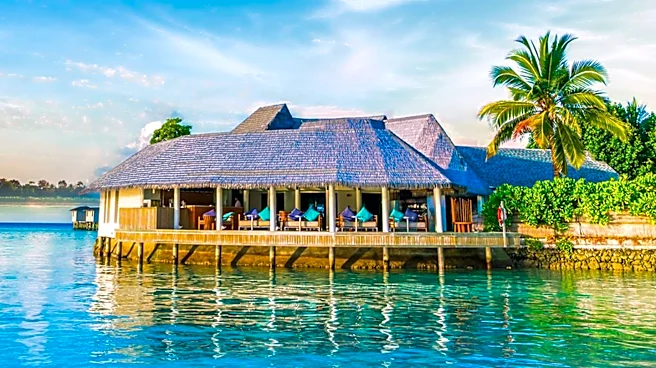
to tropical getaways in destinations such as Cancún, Fiji, Tulum, Puerto Vallarta, Langkawi, Aruba, Los Cabos, and Key West. For those seeking classic holiday charm, Hilton highlights destinations with Christmas markets, light displays, and cultural events. Examples include Vienna's Rathausplatz Christmas market and London's Regent Street lights. Conversely, travelers looking to escape winter can opt for beachfront celebrations and warm-weather activities at resorts like Hilton Cancun Mar Caribe All-Inclusive Resort, which features Santa visits and gingerbread house making, or Hilton Burau Bay Langkawi Resort, offering beachfront festivities and fire shows for New Year's Eve. The company emphasizes personalized and authentic experiences, aligning with trends indicating travelers prioritize unique vacations over generic ones.
Why It's Important?
This initiative by Hilton Hotels & Resorts is significant for the U.S. travel and hospitality industry as it directly addresses evolving consumer demands for diverse holiday experiences. By offering a wide spectrum of destinations, from snowy European cities to sunny tropical beaches, Hilton aims to capture a broader market segment, including families, couples, and solo travelers with varying preferences and budgets. This strategy could lead to increased bookings and revenue for Hilton, influencing other major hotel chains to diversify their holiday packages. The focus on 'personalized and authentic' experiences reflects a broader trend in the tourism sector, where travelers are increasingly seeking unique cultural immersion and tailored activities rather than standard vacation packages. This approach also helps mitigate risks associated with over-reliance on a single type of travel, making the company more resilient to shifts in travel trends or global events. Furthermore, by promoting international destinations, Hilton contributes to global tourism recovery and economic activity in host countries, while also providing U.S. travelers with a wide array of choices for their holiday plans.
What's Next?
Looking ahead, Hilton will likely continue to monitor travel trends and consumer feedback to refine its holiday offerings for future seasons. The success of these diverse packages in 2026-2027 will inform future marketing strategies and destination partnerships. We can anticipate increased competition among hospitality providers to offer more unique and personalized holiday experiences, potentially leading to innovative collaborations with local tour operators, cultural institutions, and event organizers. Hilton may also leverage its loyalty programs, such as Hilton Honors, to further incentivize bookings and enhance customer retention by offering exclusive holiday deals and experiences. The company might also explore new emerging destinations that align with the demand for authentic travel. Additionally, as sustainability becomes a growing concern for travelers, Hilton may integrate more eco-friendly holiday options and highlight responsible tourism practices in its future campaigns.
Beyond the Headlines
Beyond the immediate commercial implications, Hilton's diverse holiday offerings reflect deeper societal shifts in how people perceive and celebrate holidays. The move away from a singular 'traditional' holiday experience towards a multitude of options highlights a growing desire for individual expression and cultural exploration. This trend suggests a broader cultural shift where consumers are less bound by conventional holiday norms and more open to creating unique personal traditions, whether that involves a European Christmas market or a tropical New Year's Eve. Ethically, the promotion of diverse international travel also raises questions about the environmental impact of increased global tourism, prompting discussions on sustainable travel practices and carbon footprints. Legally, international travel involves navigating various visa requirements, health regulations, and local laws, which Hilton and its customers must consider. Culturally, these diverse offerings foster cross-cultural understanding and appreciation, as travelers engage with different traditions and environments, potentially enriching their global perspectives.