

What's Happening?
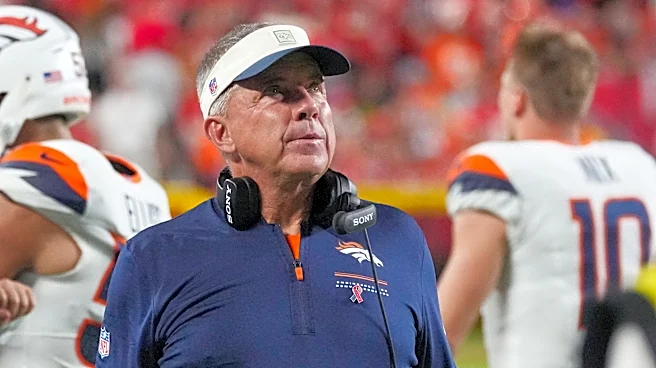
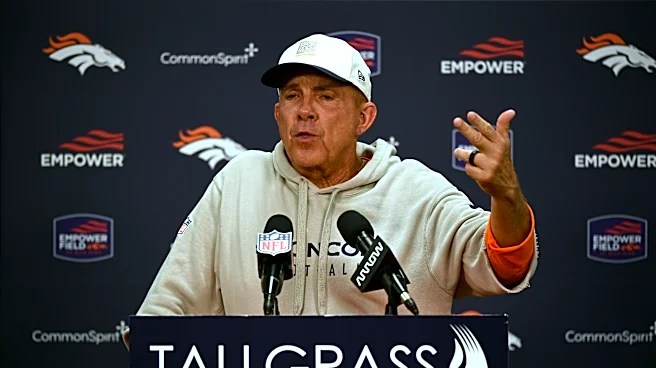
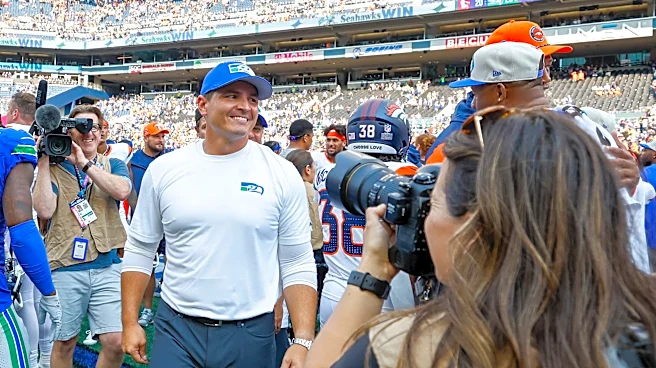
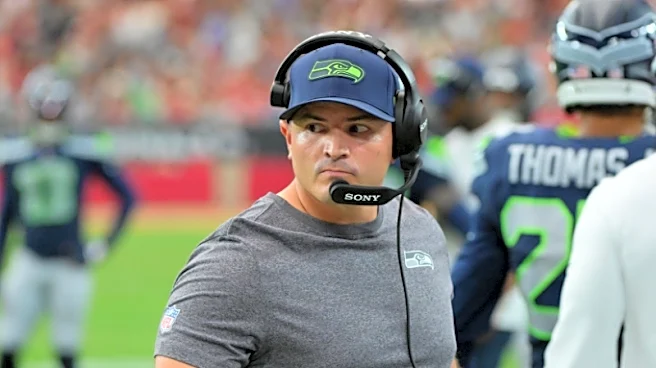
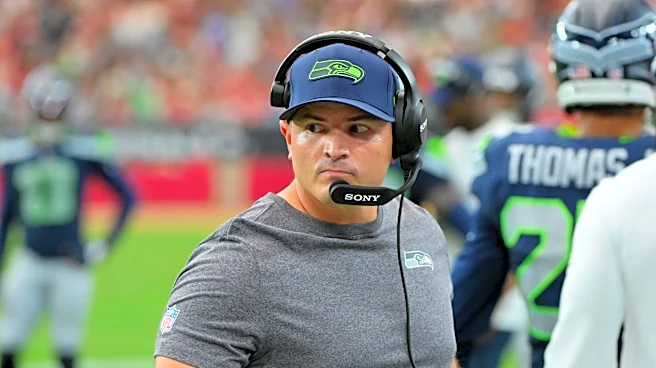
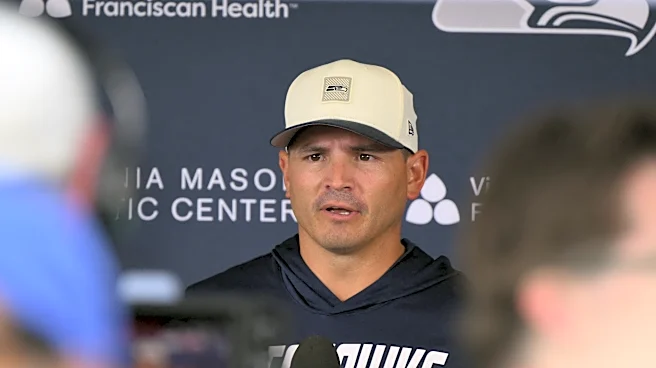
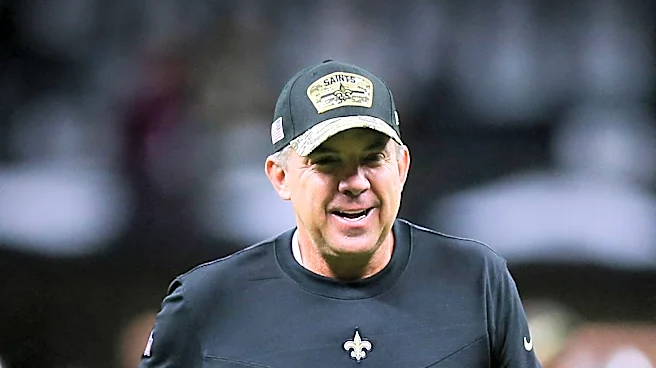
Seattle Seahawks head coach Mike Macdonald disclosed that Denver Broncos coach Sean Payton accused the Seahawks of cheating in 2024. The accusation stemmed from the Seahawks' use of fan-posted videos from Broncos training camp on social media to scout
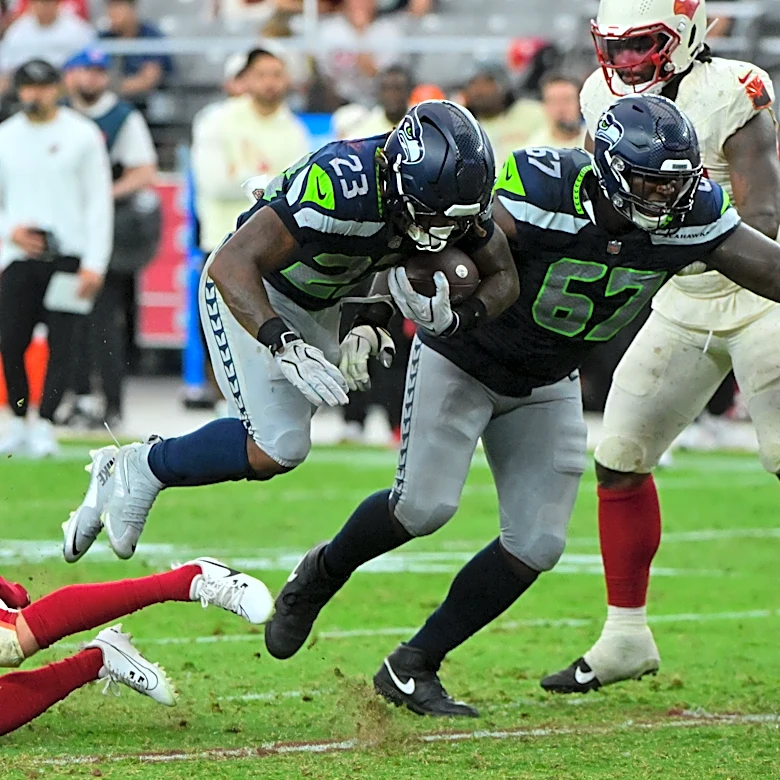
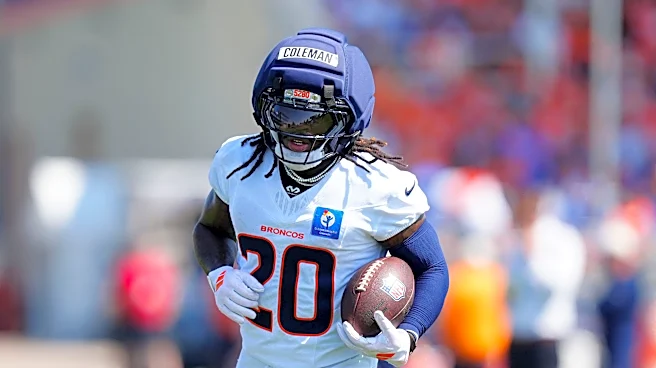
their offense before their Week 1 matchup. Macdonald stated that the Seahawks compiled approximately 100 plays from these publicly available videos. Following the Seahawks' 26-20 victory, which included three turnovers forced against the Broncos, Payton reportedly contacted Seahawks general manager John Schneider. Payton allegedly threatened to publicly expose the Seahawks for a 'Patriots Spygate type of thing,' believing they had a 'plant' at the Broncos' training camp. Macdonald denied any wrongdoing, asserting that all information was gathered from public social media posts. The Seahawks countered Payton's threat by stating they would sue him for making false allegations, leading Payton to back down. The situation was likened to a 'Cold War' by Macdonald, with both sides threatening to 'push the button.'
Why It's Important?
This incident highlights the evolving landscape of competitive intelligence in professional sports, particularly the NFL, and the ethical dilemmas it presents. The use of publicly available social media content for scouting, while not explicitly illegal, blurs the lines of traditional scouting methods and raises questions about fair play. For the NFL, this event could prompt a reevaluation of policies regarding fan access and social media use at training camps, as evidenced by the Broncos' subsequent implementation of a strict no-phone policy. The 'Cold War' dynamic between two prominent NFL coaches also underscores the intense competitive pressures within the league and how teams seek every possible advantage. This situation could influence how other teams approach preseason information gathering, potentially leading to more restrictive access for fans or more sophisticated methods of monitoring public information.
What's Next?
Following this revelation, it is likely that the NFL and individual teams will further scrutinize and potentially revise their policies regarding fan conduct and media access during training camps. The Broncos have already implemented a strict no-phone policy in their seating area during training camp to prevent similar incidents. Other teams may follow suit to protect their strategic information. The public disclosure of this 'Cold War' could also intensify the rivalry between the Seahawks and the Broncos, particularly in their future matchups. Coaches and general managers across the league may become more cautious about what information is inadvertently made public through fan recordings and social media. The incident also sets a precedent for how teams might legally defend their information-gathering practices if challenged, emphasizing the distinction between illegal espionage and utilizing publicly accessible data.
Beyond the Headlines
The 'Cold War' between the Seahawks and Broncos touches upon broader themes of information ethics and the impact of digital transparency in competitive environments. In an age where nearly everyone has a camera and internet access, the concept of 'private' practice or proprietary information becomes increasingly challenging to maintain. This incident forces a discussion on whether information, once publicly posted by a fan, becomes fair game for competitors, regardless of the intent of the original poster. It also highlights the legal boundaries of competitive intelligence, distinguishing between illegal surveillance (like 'Spygate') and the aggregation of publicly available data. The situation could lead to a philosophical debate within professional sports about the spirit of competition versus the letter of the law, and how technological advancements continually challenge established norms and expectations of privacy and fair play.