





What's Happening?
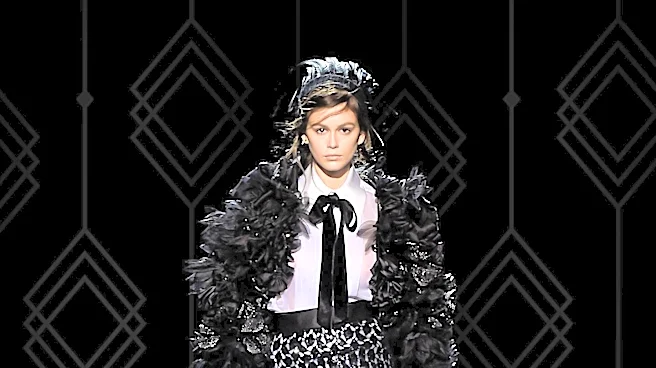
During the recent Paris haute couture week, designers showcased innovative creations that pushed the boundaries of traditional fashion. Notably, Dutch designer Iris Van Herpen presented a mini-dress named 'Fractal Universe,' which was charged in a particle
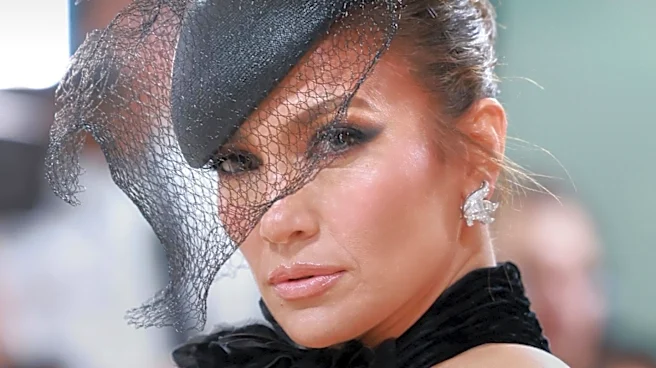
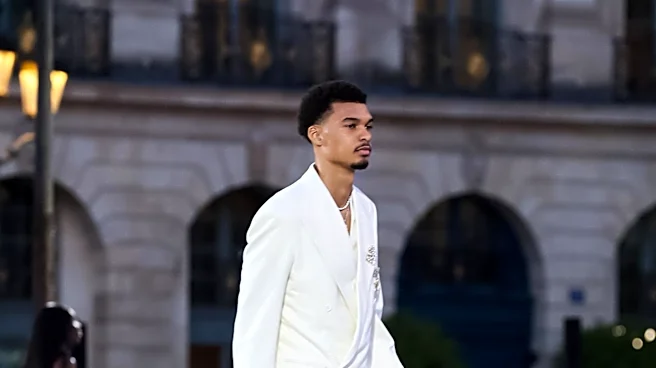
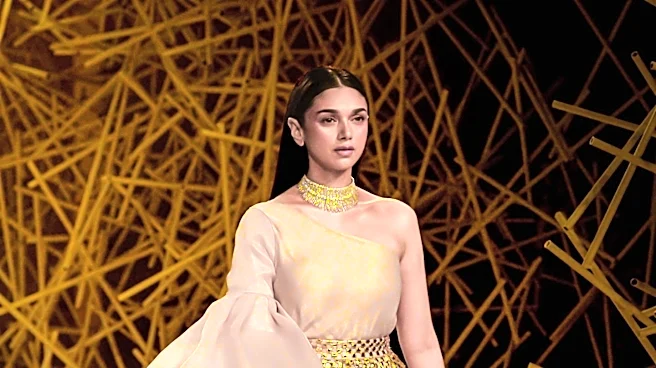
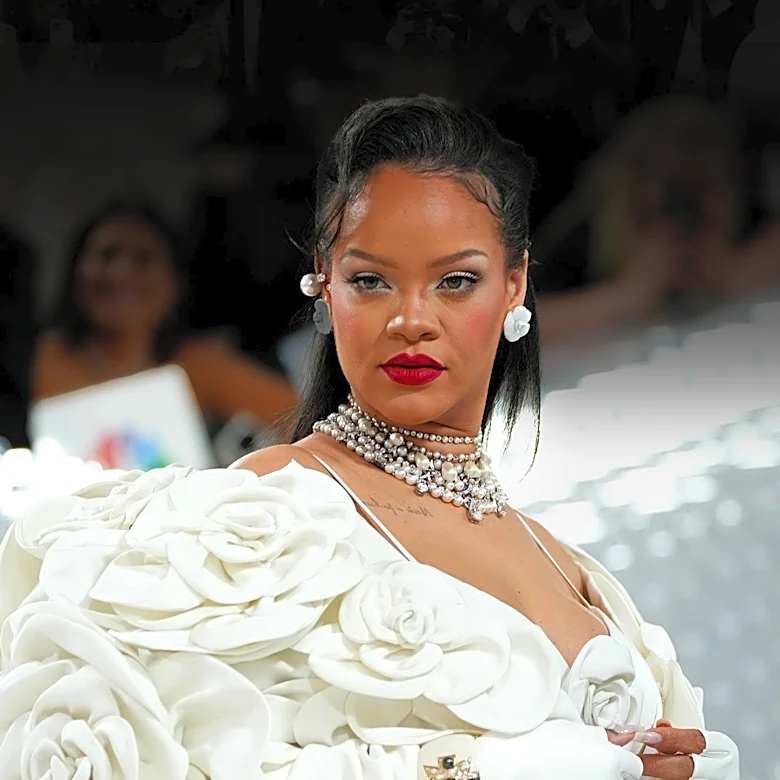
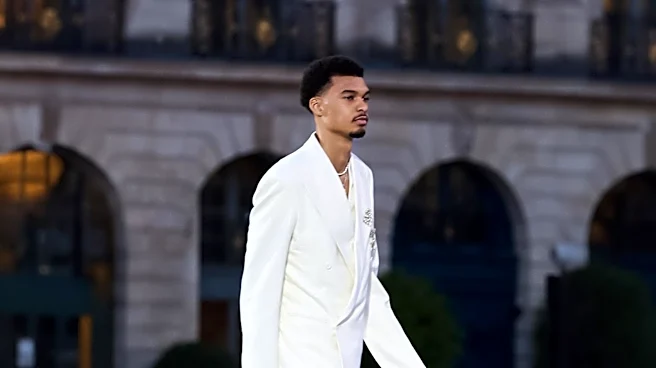
accelerator, transforming it into an energy reservoir with luminous branches. This marked a pioneering use of plasma, the fourth state of matter, in fashion. Additionally, designers like Alexis Mabille explored reversible garments, while Indian designers Rahul Mishra and Manish Malhotra brought cultural influences to the forefront. The event also saw increased male celebrity attendance, indicating a shift in haute couture's audience focus.
Why It's Important?
The innovations at haute couture week reflect a broader trend of adapting to economic pressures by utilizing unconventional materials and techniques. This shift not only challenges traditional fashion norms but also opens new avenues for creativity and sustainability. The presence of male celebrities suggests a potential expansion of haute couture's target market, which could influence future fashion marketing strategies. These developments highlight the fashion industry's resilience and adaptability in the face of economic challenges, potentially setting new standards for luxury fashion.
What's Next?
As designers continue to experiment with new materials and techniques, the fashion industry may see a rise in sustainable and innovative practices. The increased focus on male audiences could lead to more inclusive fashion shows and collections. Additionally, the success of these avant-garde designs may encourage other designers to explore similar paths, potentially leading to a broader acceptance of unconventional fashion in mainstream markets.
Beyond the Headlines
The use of plasma and other unconventional materials in fashion raises questions about the environmental impact and sustainability of such practices. While these innovations are exciting, they also challenge the industry to consider the long-term implications of resource use and waste. Furthermore, the cultural influences brought by designers like Mishra and Malhotra highlight the importance of diversity and representation in fashion, which could lead to more inclusive and culturally rich collections in the future.