
What's Happening?
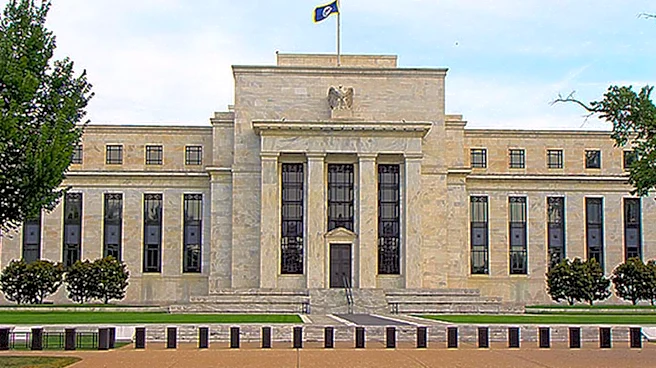
Mortgage rates have increased slightly despite the Federal Reserve's decision not to raise interest rates. The rise in rates is attributed to market dynamics, where longer-term bonds, such as those linked
to mortgages, reacted to the Fed's stance. The Fed's decision not to hike rates was expected to stabilize rates, but longer-term bonds saw an increase due to market expectations and external factors like rising oil prices. This divergence between short-term and long-term rates highlights the complex relationship between Fed policies and market reactions.
Why It's Important?
The increase in mortgage rates can impact the housing market by affecting affordability for potential homebuyers. Higher rates may lead to increased monthly payments, potentially slowing down the housing market's growth. This development is significant for economic stakeholders, including real estate professionals, lenders, and homebuyers, as it influences purchasing decisions and market trends. The situation underscores the importance of understanding how global events and market expectations can influence domestic financial conditions, even when central bank policies remain unchanged.