





What's Happening?
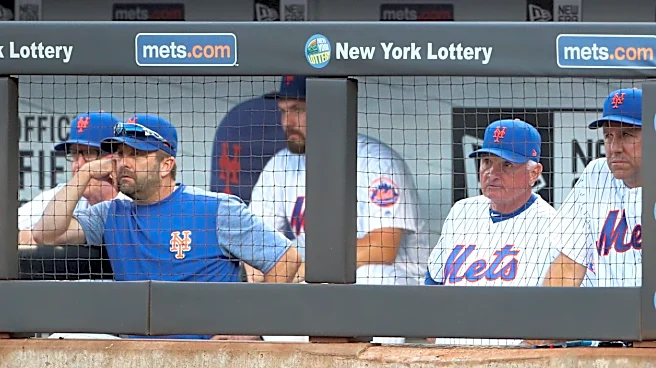
The New York Mets have experienced significant organizational turnover across their front office, managerial, and coaching staff positions over the past 25 years, ranking among the highest in Major League Baseball. This instability includes frequent changes
in lead executives, with the Mets having four lead executive changes in the last decade and seven over the last 25 years. Managerial turnover is also high, with the Mets tied for the fifth-most changes in the last 25 years and second-most in the last decade. Coaching staff changes are similarly prevalent, with the Mets having the third-most turnover in the last decade and second-most over the last 25 years. This constant flux has led to a lack of continuity, with many former Mets personnel struggling to find comparable roles or promotions in other organizations after their departure. For instance, no Mets general manager in the last 25 years has served as a general manager for another team, and only one manager, Bobby Valentine, managed again in the majors after leaving the club.
Why It's Important?
The high rate of organizational turnover within the New York Mets is critical because it directly correlates with a lack of sustained success and impacts the team's ability to build a cohesive and effective structure. Constant changes in leadership and coaching staff can disrupt strategic planning, player development, and overall team philosophy. This instability can negatively affect player performance, particularly for hitters who receive inconsistent information from frequently changing hitting coaches. While the Mets have maintained a respectable ERA due to more stable pitching coach positions, their hitting performance (ranked eighteenth by wRC+) reflects the higher turnover in hitting coach roles. The data suggests that teams with greater stability in their front office, management, and coaching staff tend to have higher winning percentages and more frequent playoff appearances. The Mets' .498 winning percentage over the last 25 years, despite significant payrolls, underscores the challenge of achieving consistent success amidst such frequent changes.
What's Next?
The Mets' current owner, Steve Cohen, has utilized substantial payrolls to mitigate the effects of organizational instability, leading to a slightly improved winning percentage and more playoff appearances in the short term. However, the long-term sustainability of this approach is questionable without addressing the underlying issue of turnover. For the Mets to achieve consistent success, they will likely need to prioritize greater stability within their organization. This involves not only retaining key personnel but also ensuring that new hires are capable of building a lasting and effective structure. The industry's perception of former Mets staff, with many struggling to find equivalent roles elsewhere, suggests a need for more strategic hiring and development within the organization. Future success will depend on whether the current or subsequent leadership can establish a more stable environment, fostering continuity and institutional knowledge.
Beyond the Headlines
The Mets' situation highlights a broader challenge in professional sports: the tension between immediate results and long-term organizational health. While high payrolls can temporarily mask deficiencies caused by instability, they do not address the root causes of underperformance. The inability of many former Mets executives and coaches to secure comparable positions elsewhere suggests a potential issue with the organization's talent evaluation or development processes. This pattern could deter promising candidates from joining the Mets, perpetuating a cycle of turnover. The ethical implication lies in the impact on individuals' careers and the team's reputation within the league. Culturally, constant change can erode team identity and fan confidence. Ultimately, the Mets' experience serves as a case study on how organizational stability, beyond just financial investment, is a crucial determinant of sustained success in competitive environments.