





What's Happening?
A new report by The Points Guy (TPG), in partnership with YouGov, indicates that U.S. consumers predominantly favor loyalty programs offering immediate and tangible rewards for everyday spending. The inaugural State of Loyalty Report, based on a survey
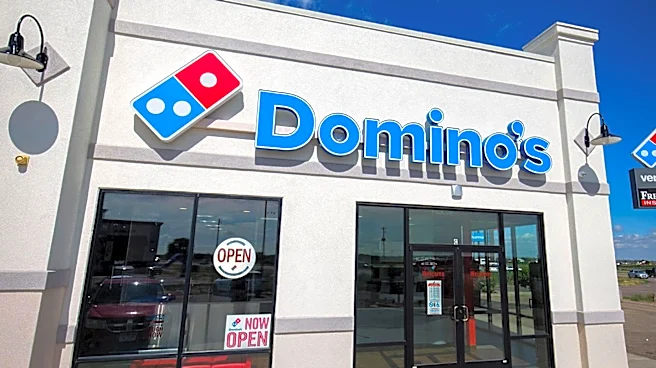
of 2,158 U.S. adults, found that 58% of respondents value fuel programs most, followed by credit card programs at 55%, and retail programs at 49%. In stark contrast, only 35% of respondents value airline and hotel loyalty programs. The most desired benefits include cents off at the gas pump (88%), cash back (84%), free food (84%), and instant retail discounts (78%). Aspirational rewards, such as elite status or experiential perks, are less valued. The report also highlights that the most popular programs are not always the most rewarding in terms of redemption value; for instance, Starbucks leads in dining program popularity but offers lower returns compared to others like Domino's.
Why It's Important?
This shift in consumer preference has significant implications for U.S. businesses across various sectors. Companies, particularly in travel and hospitality, may need to re-evaluate their loyalty strategies to align with consumer demand for instant gratification. Businesses offering everyday essentials, such as gas stations and retailers, are well-positioned to capitalize on this trend by enhancing their immediate reward structures. The findings suggest that a focus on simple, easily redeemable benefits can drive higher engagement and perceived value among customers. For independent hotels, competing with major brands' extensive loyalty programs remains a challenge, as guests often earn zero points when staying independently. This necessitates innovative approaches, such as vacation ownership or resort membership programs, to cultivate a loyal customer base.
What's Next?
Businesses are likely to increasingly focus on developing loyalty programs that offer immediate and easily accessible rewards to attract and retain customers. This could lead to a proliferation of programs offering instant discounts, cash back, and free products in sectors beyond fuel and retail. Travel and hospitality companies may explore hybrid models that combine aspirational rewards with more immediate, smaller-scale benefits to cater to a broader consumer base. Furthermore, the report suggests that loyalty program membership does not always translate into brand loyalty, especially in retail and dining, where nearly half of members report that programs do not influence their shopping choices. This indicates a need for businesses to not only offer compelling rewards but also to integrate them more effectively into the overall customer experience to drive genuine loyalty.
Beyond the Headlines
The preference for immediate rewards reflects a broader societal trend towards instant gratification and a potential skepticism towards long-term, complex reward structures. This could be influenced by economic uncertainties, where consumers prioritize tangible savings over future benefits. The report also subtly touches upon the 'loyalty paradox,' where popular programs don't always offer the best redemption value, suggesting that consumer perception of value is often driven by simplicity and accessibility rather than optimal financial return. This highlights a psychological aspect of loyalty, where ease of use and quick wins can outweigh the potential for greater, but more distant, rewards. The challenge for businesses will be to balance these immediate desires with sustainable loyalty strategies that foster long-term customer relationships.