
What's Happening?
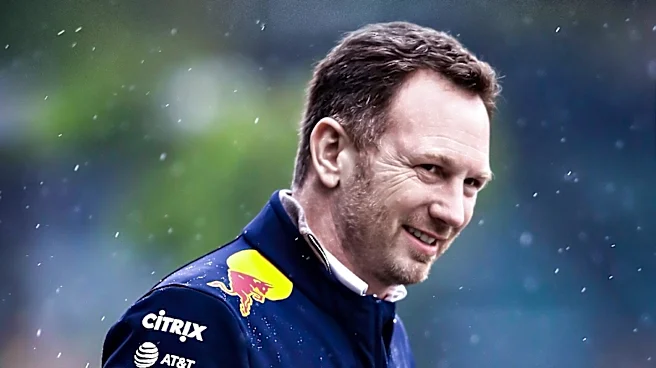
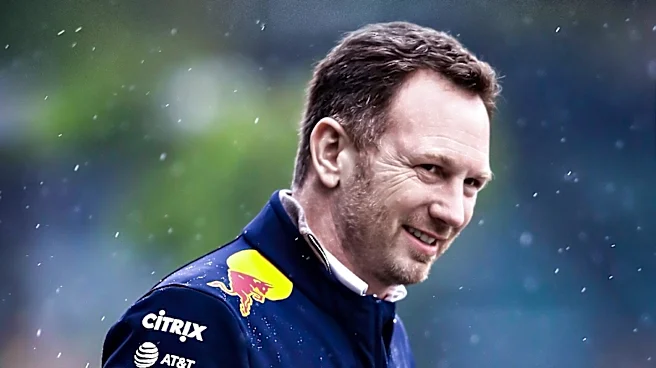
Christian Horner, the former Red Bull team principal, has indicated significant doubt regarding his return to the Formula 1 paddock. Horner, who led Red Bull for two decades and secured six constructors'
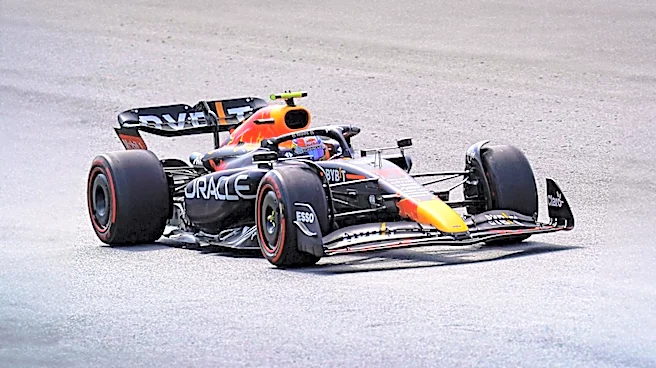
titles and eight drivers' championships between 2010 and 2024, left the team midway through the 2025 season. Since his departure, he has been linked with various roles and equity stakes in teams like Alpine, Aston Martin, Ferrari, and Haas. However, Horner stated in an interview with The Athletic that he is "not sure" he wants to return, emphasizing that any potential comeback would require a "really exciting project." He highlighted his satisfaction with developing Red Bull's engine program, which produced what the FIA declared the most powerful engine on the grid in its first season, as an example of a fulfilling endeavor.
Why It's Important?
Horner's comments are significant for the Formula 1 landscape, particularly for teams seeking experienced leadership and strategic vision. His track record of success with Red Bull, including numerous championships, makes him a highly sought-after figure. His reluctance to return unless presented with an exceptional opportunity suggests a high bar for his re-engagement, potentially leaving several teams without a key leadership option. This could influence team dynamics, investment strategies, and the competitive balance within the sport. His emphasis on having equity or the ability to influence change also points to a desire for substantial control and impact, which could reshape how teams approach leadership roles and ownership structures in Formula 1.
What's Next?
While Horner has not ruled out a return entirely, his current stance suggests that any immediate comeback is unlikely. He has set clear parameters for his involvement, indicating a preference for projects where he can have significant influence and a belief in the endeavor. This means that teams interested in his expertise will need to present compelling proposals that align with his vision for success and impact. The physical toll of the current Formula 1 calendar, with nine races in 11 weeks at the end of 2026, is also a factor weighing on his decision. His future involvement, if any, will likely be a carefully considered move rather than a quick re-entry into the sport.
Beyond the Headlines
Horner's reflections extend beyond the immediate future of Formula 1, touching upon broader themes of leadership, culture, and achievement. His belief that "with the right attitude, the right culture, the right people, anything is achievable" resonates beyond motorsports, offering insights into successful organizational development. His decision to step away despite a highly successful career also highlights the personal sacrifices demanded by high-pressure roles and the importance of intrinsic motivation. This perspective could influence how future leaders in sports and business evaluate their career paths, prioritizing meaningful impact and personal fulfillment over simply holding a position.