




What's Happening?
Synchrony Financial, a consumer financial services company, is focusing on lending discipline over rapid loan growth, according to Chief Financial Officer Brian Wenzel at TD's Financials & Fintech Conference. The company aims to maintain a loss rate between
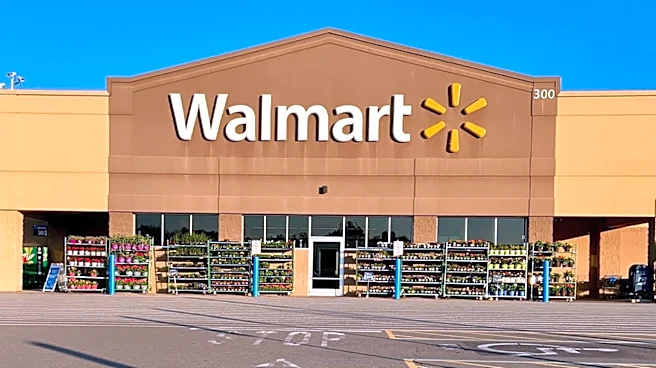
5.5% and 6% as it navigates consumer affordability challenges. Wenzel noted that payment rates are strong and improving across various credit grades, and delinquency flows remain stable. Synchrony had previously tightened credit standards following an industry-wide oversupply of credit from 2021 to early 2023 and is now adjusting them back to its long-term framework. The company's CET1 capital ratio is in the upper 12% range, exceeding its 11% target. Synchrony plans to prioritize organic growth and dividends, with acquisitions or buybacks considered only at disciplined prices. A key growth opportunity identified is the relaunched Walmart program, which has shown early traction among engaged customers and Walmart+ members, with Synchrony aspiring for it to become one of its top five programs.
Why It's Important?
Synchrony Financial's strategic shift towards lending discipline reflects a cautious approach in the current economic climate, where consumer affordability is a significant concern. By prioritizing risk-adjusted returns, Synchrony aims to safeguard its financial stability and profitability, potentially setting a precedent for other financial institutions facing similar pressures. The company's focus on maintaining a specific loss rate indicates a proactive risk management strategy, which could lead to more stable financial performance. The emphasis on organic growth and dividends, coupled with a disciplined approach to capital deployment, suggests a commitment to long-term shareholder value. Furthermore, the relaunched Walmart program represents a substantial growth avenue, potentially expanding Synchrony's market reach and customer base, especially among loyal Walmart shoppers. This partnership could also influence how other retailers and financial services companies collaborate to offer credit products, particularly in the evolving landscape of digital commerce and customer loyalty programs.
What's Next?
Synchrony Financial will continue to monitor the broader economic environment and consumer spending habits, particularly regarding discretionary purchases. The company plans to further integrate its relaunched Walmart program, with a key next step being the placement of its product in the front-end checkout process to reach more customers. This move could significantly boost the program's visibility and adoption. Synchrony also anticipates increased engagement with lawmakers and regulators, particularly expecting the Consumer Financial Protection Bureau to become more active. The company is also actively preparing for the rise of AI-enabled, or 'agentic,' shopping, exploring how its credit products can be discovered and utilized within digital wallets. This involves pursuing multiple approaches to adapt to future commerce trends, rather than relying on a single potential leader in the agentic commerce space.
Beyond the Headlines
Synchrony's measured approach to lending and its focus on risk-adjusted returns highlight a broader industry trend of financial institutions adapting to fluctuating economic conditions and consumer behavior. The company's strategy to balance growth with prudence could influence lending practices across the consumer credit sector, potentially leading to more sustainable credit markets. The emphasis on the Walmart partnership also underscores the increasing importance of strategic alliances between financial services providers and major retailers, particularly in leveraging customer loyalty programs and digital integration. This collaboration could redefine how credit products are offered and accessed in a rapidly evolving retail landscape. Furthermore, Synchrony's proactive engagement with the concept of 'agentic commerce' points to the transformative impact of artificial intelligence on financial transactions and consumer interactions, signaling a future where credit products are seamlessly integrated into AI-driven shopping experiences, raising new questions about data privacy and transaction security.