




What's Happening?
Knotty Western Red Cedar is increasingly being utilized in U.S. architectural projects for both its aesthetic appeal and sustainable properties. Architects and designers are embracing this material for its natural character, durability, and cost-effectiveness,
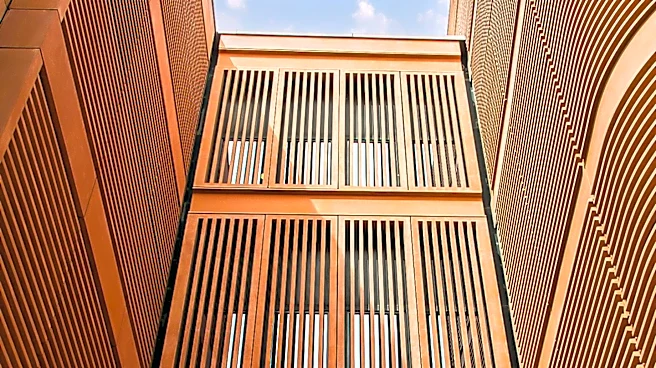
moving away from more uniform, processed materials. The wood, characterized by its visible knots, is being incorporated into various applications, including exterior siding, interior cladding, ceilings, and decking. Projects like the Laguna Row development in Carlsbad, California, and the John R 2660 building in Detroit's Brush Park neighborhood, showcase how knotty cedar bridges contemporary design with a strong sense of place. The material's ability to age gracefully, resist decay, moisture, and insects, and its dimensional stability make it a preferred choice in diverse climates, including the challenging conditions of Michigan. This trend reflects a broader shift towards authentic, biophilic, and sustainable design practices in the construction industry.
Why It's Important?
The growing adoption of knotty Western Red Cedar in U.S. construction signifies a notable shift in material selection within the architecture and building industries. This trend is important because it prioritizes sustainability and biophilic design, which aims to connect building occupants with nature. By utilizing knotty cedar, architects are supporting more efficient use of harvested wood, as it comes from younger trees and reduces waste, contributing to healthier forest ecosystems and carbon sequestration. This material choice also aligns with the American Institute of Architects' Materials Pledge, promoting materials that positively impact human and environmental health. The cost-effectiveness and wide availability of knotty cedar, compared to premium clear-grade woods, make sustainable design more accessible, potentially influencing broader market demand for eco-friendly building materials. This benefits both the environment and consumers seeking durable, aesthetically pleasing, and sustainable housing and commercial spaces.
What's Next?
The increasing demand for knotty Western Red Cedar is expected to lead to an expansion of supply chains and distribution networks across the U.S., making the material even more accessible for various building types and settings. Architects anticipate that biophilic materials like knotty cedar will continue to grow in popularity as a counter-response to technology overload, with people seeking more authentic, character-rich, and imperfect materials. This trend suggests a future where building materials are chosen not just for their structural integrity but also for their environmental impact and their ability to foster a connection to nature. Further research and development in wood preservation systems that allow natural weathering while protecting the surface, as seen in some projects, could also become more widespread, enhancing the longevity and aesthetic evolution of knotty cedar applications.
Beyond the Headlines
The embrace of knotty Western Red Cedar goes beyond mere material selection; it reflects a deeper cultural shift towards valuing authenticity, natural imperfection, and sustainability in the built environment. In an era dominated by highly processed and uniform materials, the visible knots and natural variations of cedar offer a tangible connection to the material's origin—a living tree. This fosters a sense of warmth, depth, and individuality that manufactured products often lack. Ethically, the use of knotty cedar promotes responsible forestry practices by maximizing the utilization of harvested wood and supporting the regeneration of younger forests, thereby preserving old-growth forests critical for carbon sequestration. This movement challenges the traditional perception that knot-free wood is superior, advocating for an appreciation of the natural growth history and character embedded in each board, ultimately influencing consumer preferences and design philosophies towards a more holistic and environmentally conscious approach.