





What's Happening?
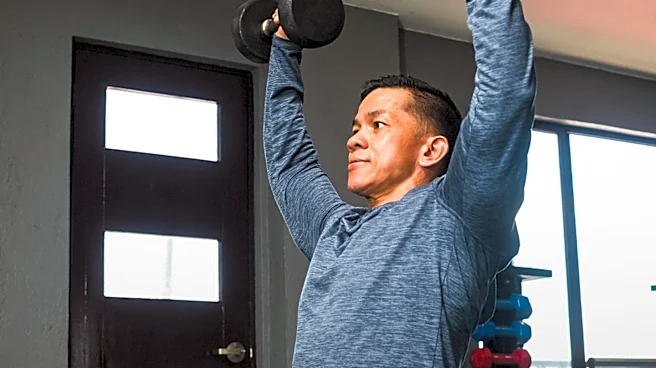
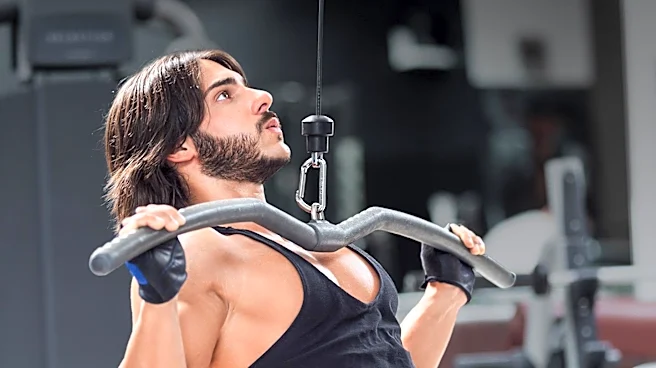
A recent article highlights the importance of strength training for post-menopausal women, emphasizing its role in maintaining muscle mass and overall health. The piece suggests that women over 40 should focus on exercises that build strength, such as squats,
hip hinges, presses, rows, and carries. It advises incorporating two to three strength sessions per week, with adequate rest days in between. The article also notes that while cardiovascular fitness is important, it should be balanced with strength training to avoid overexertion and to support muscle health. The hormonal changes during menopause, particularly the decline in estrogen, affect muscle response and repair, making strength training a crucial component of fitness for aging women.
Why It's Important?
The emphasis on strength training for post-menopausal women is significant due to the physiological changes that occur during this life stage. As estrogen levels decline, women experience a faster loss of muscle mass and strength compared to men. This can lead to increased risks of falls, fractures, and loss of mobility. Strength training helps mitigate these risks by improving muscle mass, balance, and metabolic health. Additionally, maintaining muscle mass is crucial for managing weight and reducing the risk of chronic diseases such as diabetes and cardiovascular issues. By focusing on strength training, women can enhance their quality of life and maintain independence as they age.
What's Next?
Women are encouraged to start with basic strength exercises and gradually increase intensity as they become more comfortable. Consulting with a fitness professional can help ensure proper form and prevent injuries. As more women adopt strength training, there may be a shift in fitness culture to prioritize muscle health over traditional cardio-focused routines. This could lead to increased availability of resources and programs tailored to the needs of post-menopausal women, promoting a more inclusive approach to fitness and health.
Beyond the Headlines
The focus on strength training for post-menopausal women also highlights broader societal shifts in how aging and fitness are perceived. There is a growing recognition of the importance of maintaining physical health and independence in later life, challenging stereotypes about aging. This shift may influence public health policies and initiatives aimed at supporting older adults in leading active and healthy lives. Additionally, the emphasis on strength training could inspire more research into gender-specific health and fitness needs, leading to more personalized and effective health interventions.