




What's Happening?
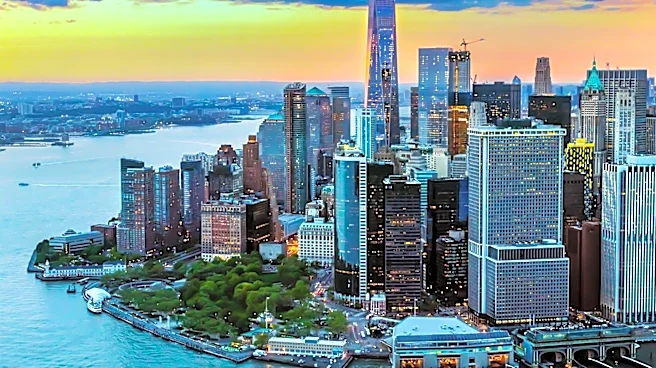
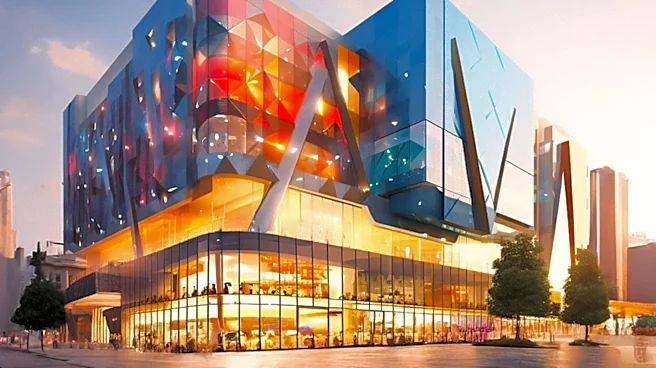
Cities across the U.S., including New York, Washington D.C., and Chicago, are actively converting vacant office buildings into residential units. This trend is a direct response to the increased prevalence of remote work, which has led to a surplus of empty
office spaces in central business districts. The process, known as 'second use building' or adaptive reuse, involves transforming industrial shells and decommissioned offices into luxury residential hubs. This strategy is seen as a way to create high-end lofts in prime locations where residential zoning was previously difficult to obtain. While complex, these conversions are proving rewarding, offering solutions to housing shortages and revitalizing urban areas. The approach also benefits from established infrastructure, reducing the need for new construction and accelerating time-to-market for developers.
Why It's Important?
The widespread conversion of office buildings to residential units holds significant importance for U.S. urban planning, real estate markets, and economic development. This trend addresses the dual challenges of vacant commercial properties and the ongoing demand for housing, particularly in dense urban centers. By repurposing existing structures, cities can mitigate the environmental impact associated with new construction, as adaptive reuse preserves the 'embodied carbon' of a building. This also offers a more sustainable approach to urban growth. For developers, these projects can command a premium in the rental market, attracting tenants drawn to unique, character-rich spaces with historical depth. The revitalization of 'ghost' downtown areas through residential conversions can also stimulate local economies by bringing more residents and activity back into city centers, benefiting small businesses and local services.
What's Next?
The trend of office-to-residential conversions is expected to continue evolving, with technological advancements playing a crucial role. AI-driven feasibility studies are emerging to analyze building blueprints and identify the most profitable conversion options based on local market demand. Another anticipated development is the rise of 'modular retrofits,' where prefabricated room modules are integrated into existing building shells, further reducing construction time and offering a 'plug-and-play' approach to interior design. Additionally, there's a growing demand for discreet, specialized spaces, which the 'second use building' movement can provide by transforming old industrial or commercial buildings into private lifestyle studios, wellness retreats, or high-security creative hubs. These future trends suggest a continued focus on efficiency, customization, and meeting diverse market needs within the adaptive reuse sector.
Beyond the Headlines
Beyond the immediate economic and urban planning benefits, the 'second use building' movement carries deeper ethical and cultural implications. It represents a shift towards resource consciousness and sustainability, challenging the traditional 'build new' paradigm. By valuing and repurposing existing structures, cities are implicitly acknowledging the historical and architectural heritage embedded in their built environment. This approach fosters a sense of continuity and character that modern glass-and-steel structures often lack. The creation of 'authentic' spaces with exposed brickwork and industrial history caters to a growing desire for unique living and working environments, reflecting a cultural preference for character over generic newness. Furthermore, the movement highlights the adaptability of urban spaces and the potential for creative solutions to contemporary challenges, promoting a more resilient and innovative urban future.