



What's Happening?
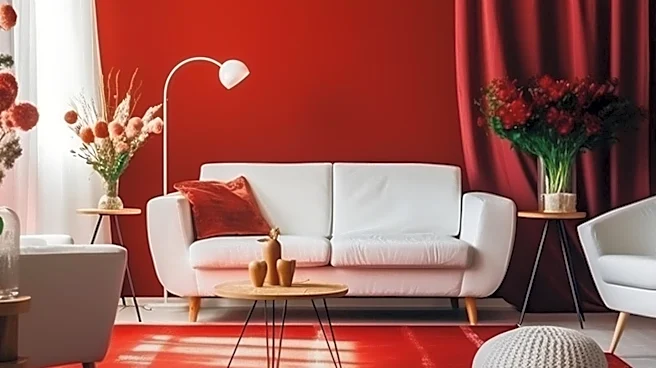
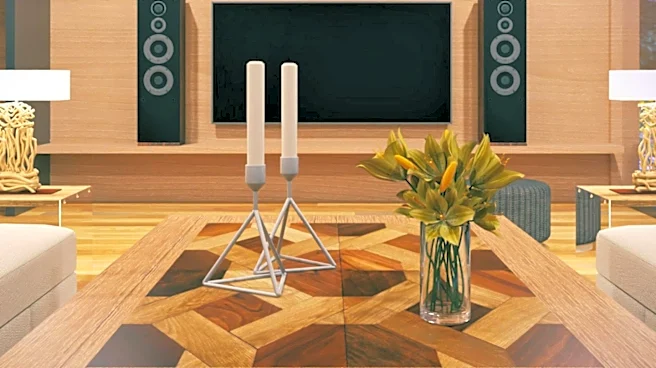
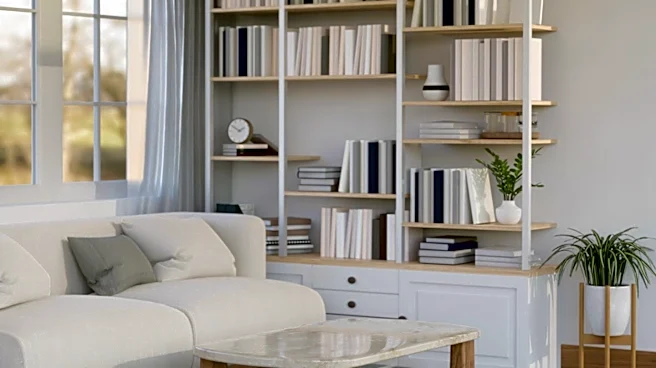
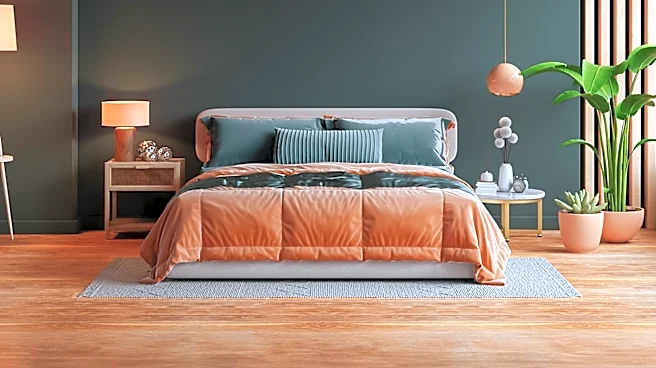
The article identifies three common factors that can make living rooms feel stressful: monotone color palettes, visible cords, and ill-placed furniture. It offers solutions such as using varied color tones, concealing cords, and arranging furniture to support
conversation and functionality. Interior designers emphasize the importance of creating a balanced and inviting space that promotes relaxation and social interaction.
Why It's Important?
Creating a stress-free living environment is crucial for mental well-being and quality of life. By addressing common design mistakes, individuals can transform their living spaces into calming retreats that enhance comfort and social engagement. This focus on interior design aligns with broader trends in wellness and self-care, highlighting the role of home environments in supporting mental health.
What's Next?
Homeowners may consider consulting with interior designers to optimize their living spaces for comfort and functionality. As awareness of the impact of home environments on well-being grows, there may be increased interest in design services and products that promote relaxation and stress reduction. This could lead to innovations in home furnishings and decor that prioritize mental health.
Beyond the Headlines
The emphasis on stress-free living rooms reflects a cultural shift towards prioritizing mental health and well-being in everyday life. It underscores the importance of thoughtful design in creating environments that support emotional and psychological health. This trend may influence broader societal attitudes towards wellness and self-care, encouraging individuals to invest in their home environments as a means of enhancing overall quality of life.