


What's Happening?
The Kips Bay Decorator Show House in New York City has signaled a definitive shift away from the 'quiet luxury' aesthetic in interior design. Each year, top designers transform rooms in a designated house, with proceeds benefiting local youth programs.
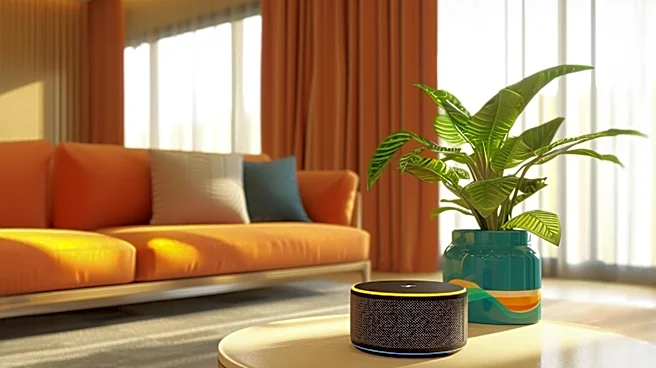
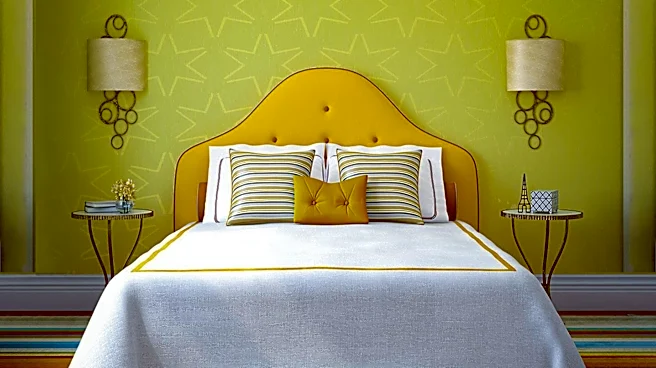
This year's showcase reveals a collective rejection of minimalist, pared-back interiors that have been prevalent in recent years. Instead, the designs feature bold elements such as jewel tones, wall-to-wall carpeting, dramatically veined stone, sculptural furniture, and intricate patterns. The rooms are described as sophisticated, punchy, and 'loud,' creating immersive environments that stand in stark contrast to the understated elegance associated with quiet luxury. This event, where leading industry professionals present their most creative visions, is being interpreted as an official declaration that the 'quiet luxury' trend in home decor has concluded.
Why It's Important?
This pronouncement from the Kips Bay Decorator Show House is significant for the U.S. interior design industry and consumer trends. The show house is a highly influential event, often setting the tone for upcoming design movements. A move away from 'quiet luxury' suggests a potential resurgence of maximalism and more expressive, personalized aesthetics in American homes. This shift could impact manufacturers and retailers of home furnishings, textiles, and decor, leading to increased demand for bolder colors, more ornate patterns, and statement pieces. Designers who have specialized in minimalist styles may need to adapt their portfolios, while those favoring more eclectic or opulent designs could see a boost in demand. For consumers, it indicates a broader cultural appetite for more vibrant and less restrained personal spaces, potentially influencing purchasing decisions and home renovation projects across the country.
What's Next?
Following the Kips Bay Decorator Show House's lead, the U.S. interior design market is likely to see a gradual but noticeable shift towards more expressive and maximalist aesthetics. Design publications and influencers will likely highlight these new trends, further disseminating them to a wider audience. Manufacturers of home goods may begin to introduce product lines featuring richer colors, more intricate patterns, and bolder forms to meet anticipated consumer demand. Retailers could reconfigure their showrooms and marketing strategies to showcase these emerging styles. We might also see a rise in demand for custom and artisanal pieces that allow for greater personalization and a departure from mass-produced, minimalist items. The design community will be closely watching how these trends translate into mainstream adoption and whether this marks a long-term shift or a temporary pendulum swing in design preferences.
Beyond the Headlines
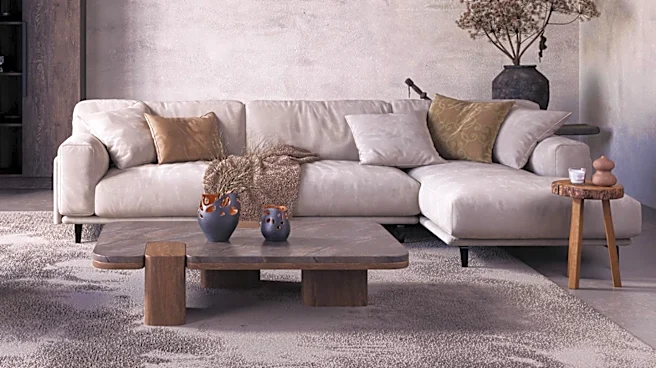
The apparent decline of 'quiet luxury' in interior design, as indicated by the Kips Bay Decorator Show House, reflects deeper cultural and psychological shifts. The minimalist aesthetic, often associated with 'quiet luxury,' can sometimes be perceived as sterile or impersonal. The embrace of maximalism, with its emphasis on rich textures, vibrant colors, and diverse patterns, may signify a collective desire for comfort, individuality, and emotional expression within personal spaces. In a world often characterized by uncertainty, people may be seeking to create more enveloping, stimulating, and comforting home environments that reflect their unique personalities rather than adhering to a subdued, aspirational ideal. This trend could also be a reaction against the perceived uniformity of social media-driven aesthetics, where 'quiet luxury' became a widely replicated, almost generic, style. The move towards 'loud' and personalized interiors suggests a reclaiming of authenticity and a celebration of individual taste over conformity.