


What's Happening?
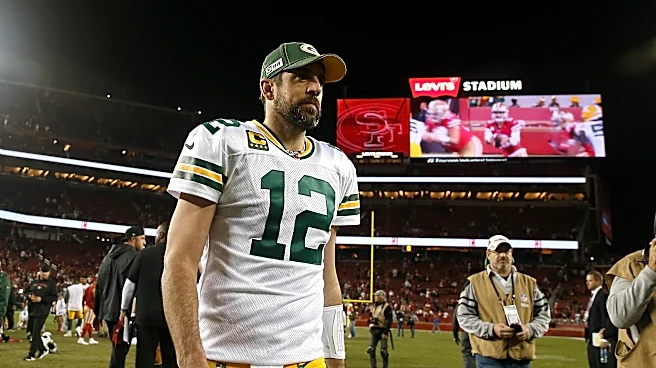
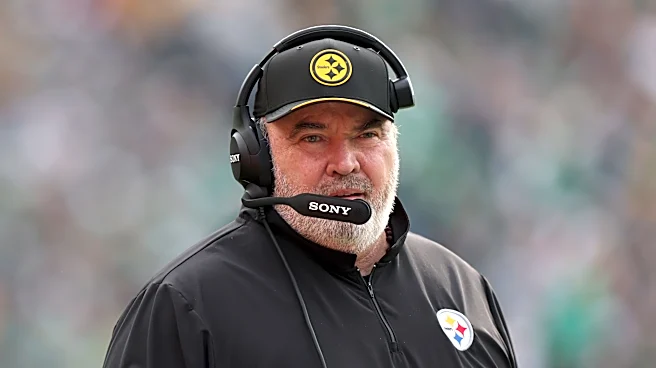
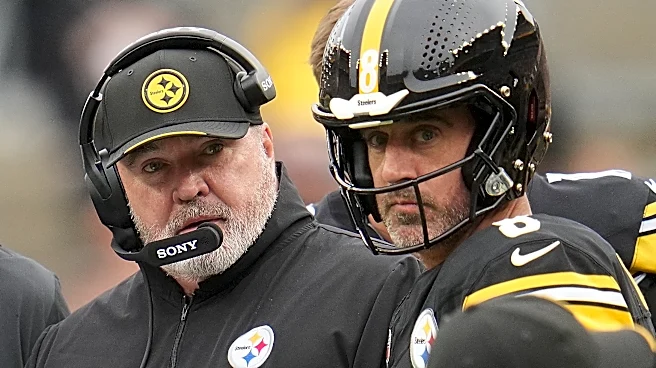
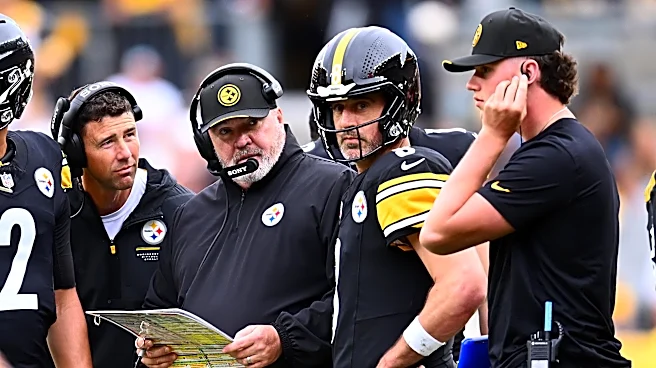
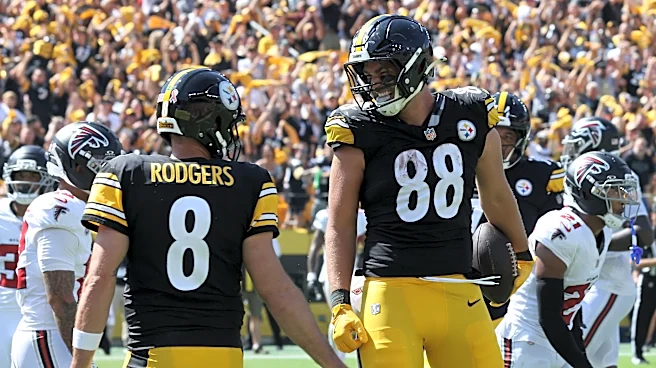
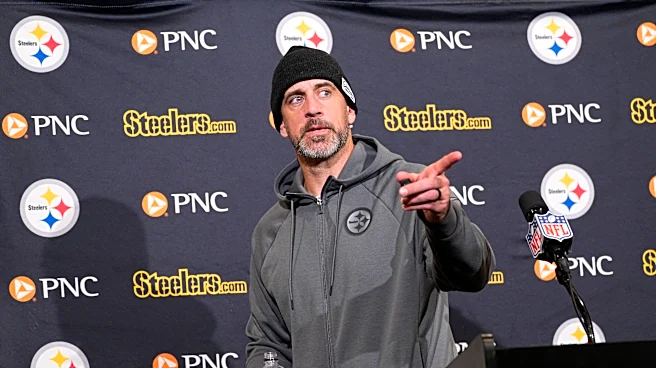
Former Pittsburgh Steelers quarterback Aaron Rodgers' recent departure has ignited significant controversy and instability within the team. Rodgers, who arrived in Pittsburgh in 2025, delivered a scathing interview on 'The Pat McAfee Show,' criticizing
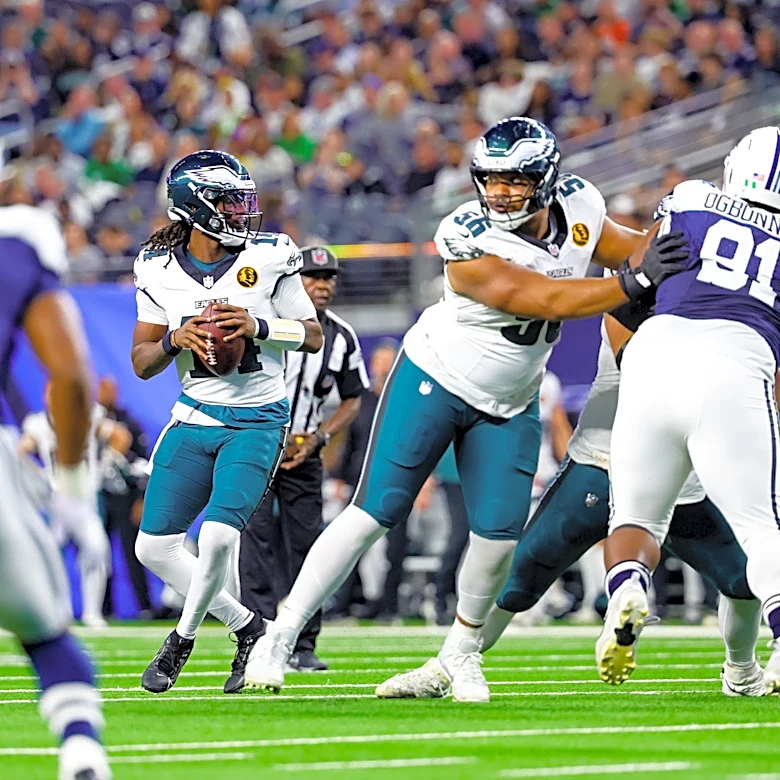
former head coach Mike McCarthy. Rodgers claimed McCarthy fell asleep in meetings and forgot which team he coached for, allegations that ESPN sources corroborated. This public airing of grievances led to what has been described as an immediate and messy divorce, with some former teammates labeling Rodgers' actions as 'victim-blaming.' The situation escalated after Rodgers was benched for a game against the Broncos, a decision he reportedly learned from tight end Pat Freiermuth rather than McCarthy directly. This incident has plunged the Steelers into a period of turmoil, drawing comparisons to a joke by comedian Steve Harvey about how individuals react to being fired. The team, which was 6-2 just two weeks prior, has since experienced a two-game losing streak, including a significant loss to the Philadelphia Eagles.
Why It's Important?
This event is important because it highlights the profound impact of player-coach relationships and public perception on a major U.S. sports franchise. The public fallout from Rodgers' interview and subsequent benching has not only created internal strife but also damaged the team's reputation and performance. The Steelers, a franchise with a long history of stability under coaches like Chuck Noll, Bill Cowher, and Mike Tomlin, are now facing an identity crisis. The controversy underscores how a high-profile player's actions can destabilize an entire organization, affecting team morale, fan confidence, and potentially future recruitment. The situation also brings into focus the challenges faced by coaches who follow legendary figures, as Mike McCarthy has had to contend with the 'ghosts' of his predecessors. The public nature of the dispute, amplified by media platforms, demonstrates the increasing scrutiny and pressure on professional athletes and sports organizations in the modern era.
What's Next?
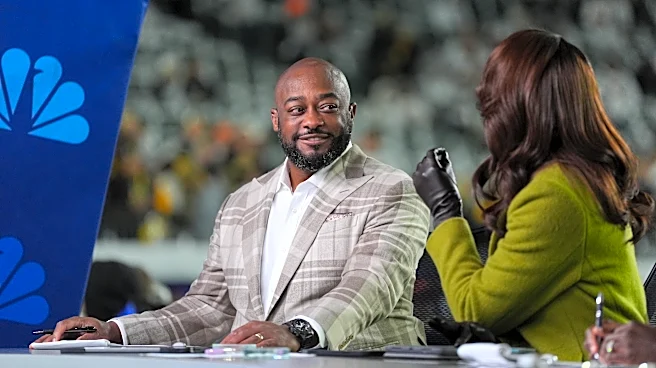
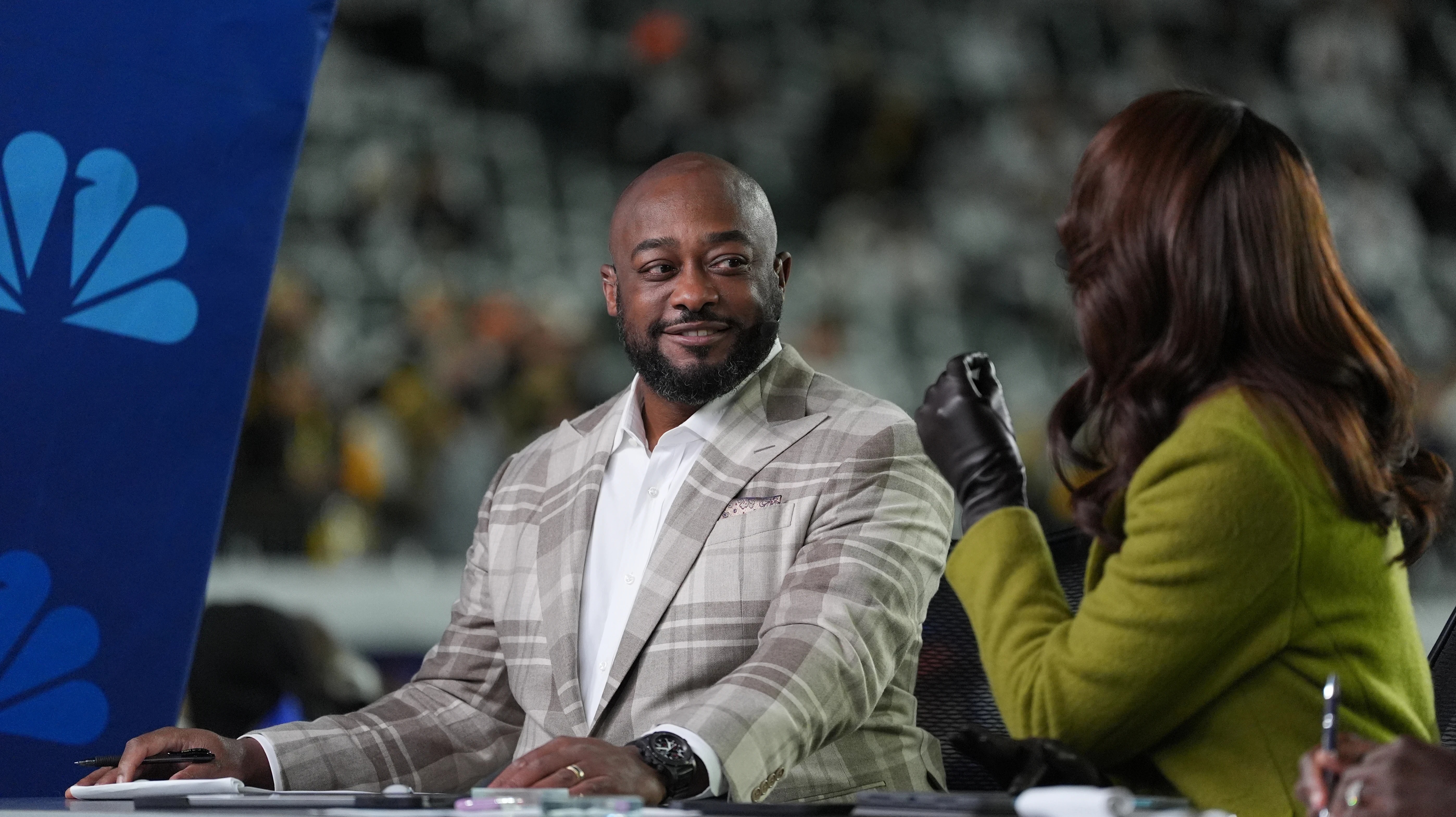
The immediate future for the Steelers involves navigating the fallout from Rodgers' exit and attempting to regain stability. With Rodgers out, Mason Rudolph is set to start against the 8-2 Denver Broncos, a critical game that will be closely watched by fans and media. The team's performance in this upcoming game, particularly on Black Friday, will be a significant indicator of its ability to move past the recent turmoil. Former head coach Mike Tomlin, now an NBC sports colleague, has publicly expressed his disappointment, calling the situation a 'dumpster fire' and emphasizing the importance of relationships within the team. McCarthy's ability to manage the team and foster trust among his players will be crucial for the Steelers to recover. The franchise will also need to address its long-standing search for a reliable quarterback, a challenge that has persisted since Ben Roethlisberger's prime and was exacerbated by Rodgers' short and tumultuous tenure.
Beyond the Headlines
Beyond the immediate headlines, this situation reveals deeper implications regarding the evolving dynamics of power and accountability in professional sports. Rodgers' actions, characterized as 'unreliable' and 'petulant,' challenge the traditional notion of player loyalty and team cohesion. The incident also raises questions about the role of media, particularly platforms like 'The Pat McAfee Show,' in shaping public narratives and influencing team environments. The comparison to Steve Harvey's joke about reactions to being fired subtly highlights underlying cultural and behavioral aspects within high-stakes professional settings. The Steelers' struggle to maintain their 'standard' without Mike Tomlin, who provided a 'gravitational pull' of stability, suggests that leadership extends beyond coaching prowess to encompass emotional intelligence and crisis management. This event could serve as a cautionary tale for other franchises considering high-profile, potentially volatile player acquisitions, emphasizing the importance of assessing character alongside talent.