

What's Happening?
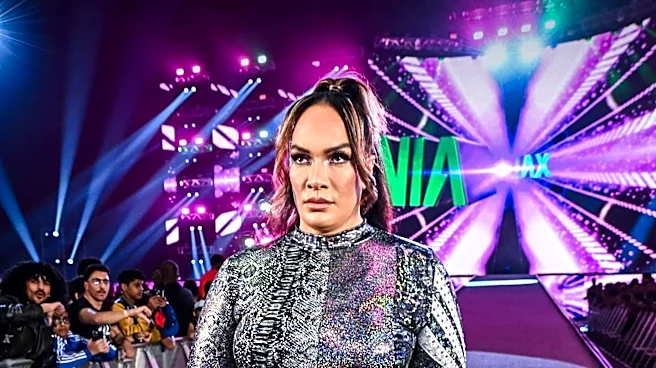
WWE Superstar Nia Jax has publicly praised Paul 'Triple H' Levesque for his significant role in the transformation and elevation of WWE's women's division. During an interview with Jimmy V3, Jax highlighted Levesque's investment in female talent during
his tenure overseeing NXT, particularly during its 'black-and-gold' era. Jax, who began her WWE career in NXT, stated that Levesque's emphasis on showcasing women helped establish them as major attractions in professional wrestling. She noted that this investment proved to the wrestling industry that women are equally, if not more, athletic and capable of storytelling in the ring compared to their male counterparts. Jax believes this foundation created opportunities for female performers to demonstrate their abilities on a larger stage, leading to an increase in women's main events and high-profile matches over the past decade. She asserted that women in WWE have been 'taking over' for about a decade, often delivering the best matches on the card and proving their ability to hold top spots in the entertainment industry.
Why It's Important?
Nia Jax's comments underscore a significant shift in professional wrestling, particularly within WWE, regarding the prominence and perception of female athletes. Levesque's strategic focus on developing women's wrestling in NXT created a pipeline of talent and a blueprint for how female performers could be presented as legitimate main event attractions. This approach has had a ripple effect, not only within WWE but potentially across the broader sports entertainment landscape, encouraging other promotions to invest more in their women's divisions. The increased visibility and credibility of female wrestlers can inspire a new generation of athletes and fans, challenging traditional gender roles in sports. Economically, a stronger women's division can attract a wider audience demographic, potentially leading to increased viewership, merchandise sales, and overall revenue for WWE, as diverse storytelling and compelling characters appeal to a broader consumer base. This also highlights the impact of leadership vision in shaping cultural narratives within a major entertainment entity.
What's Next?
The continued emphasis on WWE's women's division, as championed by figures like Paul 'Triple H' Levesque, suggests a sustained trajectory of growth and prominence for female Superstars. Future developments are likely to include more women's main events at major pay-per-view events, further integration of female talent into prominent storylines, and potentially the creation of new championships or divisions to expand opportunities. The success of the women's division could also influence WWE's talent development programs, with continued investment in scouting and training female athletes. Other wrestling promotions may continue to observe WWE's success and adapt their strategies to elevate their own women's divisions, fostering a more competitive and diverse landscape in professional wrestling. This ongoing evolution could lead to more groundbreaking matches, increased media attention, and a solidified place for women at the forefront of the sport.
Beyond the Headlines
Beyond the immediate impact on WWE programming, the elevation of the women's division reflects broader societal shifts towards gender equality and representation in media and sports. The success of female wrestlers in WWE challenges long-standing stereotypes about women's roles in physically demanding entertainment. This cultural shift can empower young girls and women by providing strong, athletic role models who demonstrate strength, resilience, and competitive spirit. Legally and ethically, this movement aligns with broader discussions about equal pay and opportunities for women in male-dominated industries. The increased focus on female athletes also opens avenues for diverse storytelling that resonates with a wider audience, moving beyond traditional narratives and exploring complex characters and rivalries. This long-term shift could contribute to a more inclusive entertainment industry where talent and performance are prioritized regardless of gender, fostering a more equitable and representative media landscape.