






What's Happening?
Infrared saunas are increasingly being integrated into wellness routines across the U.S., offering a gentler alternative to traditional saunas for relaxation and therapeutic heat benefits. These saunas operate at lower air temperatures while still promoting
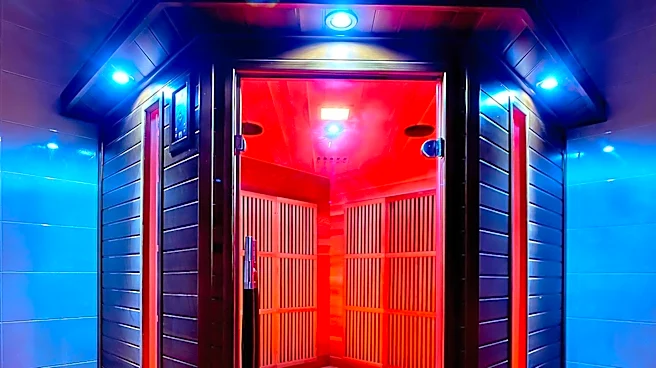
perspiration, providing temporary increases in circulation and soothing warmth for muscle tension. This trend is particularly appealing to busy women seeking a convenient way to de-stress without the time commitment of traditional massages. Wellness studios, such as Pause Studio in Connecticut, are expanding their services to include infrared saunas alongside other recovery options like cold plunges and IV drips, emphasizing both mental and physical rejuvenation. The appeal lies in the flexibility and privacy offered by these wellness rooms, allowing individuals to customize their sessions and combine various relaxation experiences like halotherapy or full-body massage chairs. Unlike traditional saunas that heat the air, infrared technology directly warms the body, which many users find more comfortable and relaxing.
Why It's Important?
The growing adoption of infrared saunas in U.S. wellness routines signifies a broader shift in how individuals approach self-care and recovery. This trend impacts the wellness industry by driving demand for specialized services and facilities, leading to the expansion of offerings in spas and wellness centers. For consumers, it provides more accessible and flexible options for managing stress, muscle tension, and overall well-being, particularly for those with demanding schedules. The emphasis on personalized wellness experiences, where individuals can choose from a menu of services like infrared saunas, halotherapy, and massage chairs, reflects a desire for tailored solutions that fit diverse lifestyles. This also highlights a growing awareness of the benefits of heat therapy for circulation and relaxation, positioning infrared saunas as a key component in modern self-care practices. The integration of these services into comprehensive wellness studios suggests a move towards holistic approaches to health, where physical and mental recovery are equally prioritized.
What's Next?
The expansion of wellness studios to include infrared saunas and other recovery modalities is likely to continue, with more facilities offering diverse options to cater to evolving consumer preferences. We can anticipate further innovation in wellness technology, potentially leading to more advanced and personalized infrared sauna experiences. The focus on convenience and customization will likely drive the development of flexible booking options and membership models for wellness services. As research into the benefits of infrared therapy progresses, there may be increased public awareness and acceptance, further solidifying its place in mainstream wellness. Businesses in the health and wellness sector will likely invest in marketing and educational campaigns to highlight the advantages of infrared saunas and other complementary therapies, attracting a wider demographic seeking effective and accessible self-care solutions. This could also lead to a greater emphasis on integrating these services with other health practices, such as fitness and nutrition, to offer more comprehensive wellness programs.
Beyond the Headlines
The rise of infrared saunas in wellness routines points to a deeper cultural shift towards proactive health management and personalized well-care. It reflects a growing recognition of the impact of chronic stress and the need for accessible tools to promote relaxation and recovery in a fast-paced society. The preference for private wellness rooms over traditional, often more social, spa experiences suggests a desire for solitude and introspection as part of the healing process. This trend also touches upon the ethical considerations of wellness claims, as providers must clearly differentiate between therapeutic benefits and medical treatments. As the market for these services expands, there will be an ongoing need for clear communication regarding the scientific backing and appropriate use of infrared saunas and related therapies. Furthermore, the integration of technology in wellness, such as customizable sessions and app-based bookings, highlights how digital advancements are shaping personal health practices and making wellness more integrated into daily life.