









What's Happening?
Global investors are increasingly viewing Indian equities as a stable alternative to the volatile, AI-heavy markets. Historically, India lacked direct exposure to artificial intelligence, which made it less attractive to global funds. However, recent
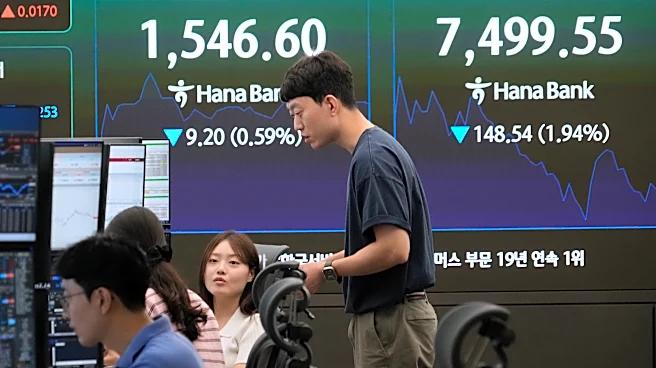
macroeconomic improvements, such as easing inflation and a stabilizing rupee, have enhanced India's appeal as a defensive growth market. This shift comes as investors seek diversification amid concerns about the sustainability of the global AI-centric market rally. The NSE Nifty 50 index has emerged as a relatively stable option, experiencing fewer volatile sessions compared to other markets like South Korea and Taiwan, which are heavily focused on AI-related stocks.
Why It's Important?
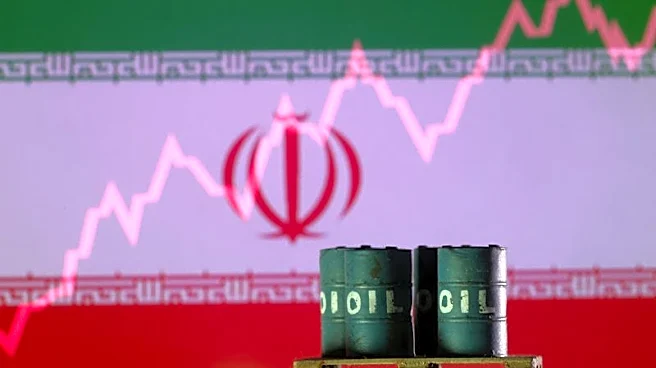
The shift towards Indian equities as a hedge against AI market volatility highlights a strategic move by global investors to manage risk. This trend underscores the growing importance of diversification in investment portfolios, especially in the face of potential market bubbles in the AI sector. For India, this increased interest from international investors could lead to more stable capital inflows, supporting economic growth and development. The stabilization of the rupee and controlled inflation further strengthen India's position as a defensive market, potentially benefiting sectors like airlines and oil refining that are sensitive to global oil prices.
What's Next?
As the quarterly earnings season approaches, investors will closely monitor the performance of major Indian companies, starting with Tata Consultancy Services Ltd. Analysts expect lower commodity prices to support profit margins, potentially leading to more earnings upgrades. The movement of foreign institutional investor flows will be a key indicator of whether the current moderation in outflows is becoming a sustained trend. Additionally, the NSE Volatility Index will provide insights into how the market is absorbing global macro shocks compared to historical averages.