







What's Happening?
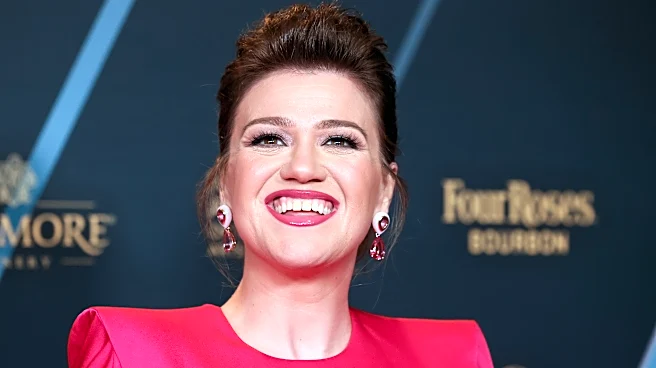
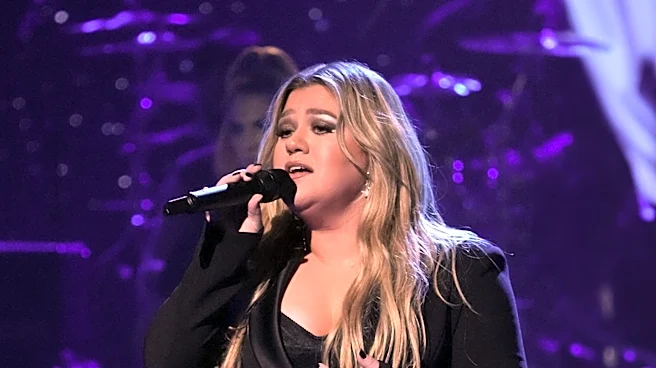
Singer Kelly Clarkson has publicly accused the Brooklyn specialty shop Art of Play of treating her poorly, comparing her experience to Julia Roberts' character in the movie 'Pretty Woman.' Clarkson tweeted that she felt judged and was told she couldn't
afford items, despite intending to make a significant purchase. Art of Play responded via Instagram, stating that Clarkson had inquired about buying a permanent installation, a one-of-a-kind singing and dancing bird automaton named 'Molly,' which is not for sale. The store acknowledged that the negative experience Clarkson described would resonate with anyone who has felt judged. Clarkson subsequently challenged the store's narrative, claiming staff were rude and lied about the item not being for sale, detailing a conversation where she was allegedly told the item cost $15,000 in a condescending tone. The internet has since been divided, with some supporting Clarkson and others defending the store.
Why It's Important?
This public dispute between a celebrity and a small business highlights the significant impact of social media on brand reputation and customer service. Kelly Clarkson's large following means her comments can instantly generate widespread attention and backlash for a business, regardless of the full context. For Art of Play, a small local business, this incident has led to an influx of both criticism and support, demonstrating the double-edged sword of viral celebrity interactions. It also raises questions about consumer expectations, particularly from high-profile individuals, and the challenges small businesses face in managing customer interactions and public relations in the digital age. The incident underscores the importance of clear communication and consistent customer service, as well as the potential for miscommunication or differing perceptions of an interaction to escalate rapidly.
What's Next?
The immediate aftermath has seen a divided public response, with both Clarkson's fans and local supporters of Art of Play engaging in online discussions. It is unclear if either party will issue further statements or if the situation will de-escalate. For Art of Play, the challenge will be to manage its public image and potentially convert the increased attention into positive engagement, despite the initial negative publicity. For Kelly Clarkson, the incident reinforces her public persona as someone willing to speak out against perceived injustices. This event could serve as a case study for businesses on how to respond to celebrity complaints and for celebrities on the power and responsibility of their social media platforms.
Beyond the Headlines
Beyond the immediate controversy, this incident touches on broader societal themes of class perception and consumer judgment. Clarkson's 'Pretty Woman' comparison evokes a common experience of being prejudged based on appearance or perceived status, highlighting that even celebrities can encounter such biases. It also brings into focus the dynamics between small businesses and their clientele, particularly in gentrifying areas like Brooklyn, where diverse customer bases may have varying expectations and experiences. The dispute also raises ethical considerations regarding the use of social media by public figures to air grievances, and the subsequent impact on individuals and businesses. The 'Molly' automaton, a unique and apparently beloved fixture of the store, has become an unexpected symbol in this debate, representing the unique character of small businesses versus the commercial expectations of some customers.