




What's Happening?
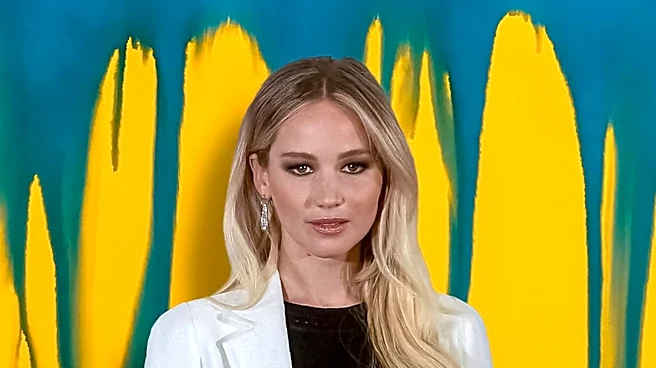
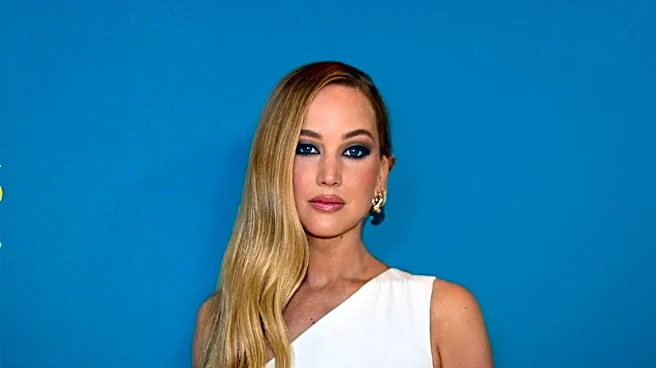
Actress Jennifer Lawrence recently ranked her on-screen kisses during an appearance on 'Watch What Happens Live With Andy Cohen,' placing her 'Passengers' co-star Chris Pratt last among five actors. Lawrence ranked Josh Hutcherson first, followed by Liam
Hemsworth, Bradley Cooper, and Timothée Chalamet before Pratt. This ranking is not entirely surprising, as Lawrence has previously spoken about the discomfort she felt during intimate scenes with Pratt for their 2016 film 'Passengers.' At the time, Pratt was married to Anna Faris, and Lawrence expressed feeling 'guilt' about kissing a married co-star, describing the experience as 'bizarre' and making her feel 'vulnerable.' She even admitted to getting 'really, really drunk' before filming the scene due to anxiety.
Why It's Important?
Jennifer Lawrence's candid ranking of her on-screen kisses, particularly her placement of Chris Pratt, highlights the often-uncomfortable realities actors face when filming intimate scenes. Her previous comments about feeling guilt due to Pratt's marital status shed light on the ethical and emotional complexities that can arise on set, especially when personal boundaries and professional obligations intersect. This revelation offers a rare glimpse into the human element behind cinematic performances, reminding audiences that on-screen chemistry doesn't always translate to off-screen comfort. It also sparks broader conversations within the entertainment industry about actor well-being, consent, and the psychological impact of performing intimate acts, particularly when one actor is in a committed relationship. Such discussions can contribute to evolving industry standards for handling sensitive scenes.
What's Next?
Lawrence's comments may reignite discussions about the emotional labor involved in acting, particularly in romantic or intimate scenes. It could prompt further conversations among actors, directors, and intimacy coordinators about best practices for ensuring comfort and psychological safety on set. While unlikely to significantly impact Pratt's career, it adds a personal anecdote to his professional history. For Lawrence, her continued openness about her experiences contributes to a broader trend of actors sharing their perspectives on the challenges of their craft, potentially empowering others to speak up about their own discomforts. This kind of transparency can lead to a more empathetic and supportive environment within Hollywood, fostering greater awareness of the emotional toll of certain roles.
Beyond the Headlines
The ranking and Lawrence's past comments delve into deeper ethical and psychological implications within the film industry. Her expressed guilt over kissing a married co-star touches upon the blurred lines between professional duty and personal morality that actors sometimes navigate. It highlights the pressure to create believable on-screen intimacy, even when it conflicts with personal values or comfort levels. This situation also underscores the public's fascination with the personal lives of actors and the behind-the-scenes dynamics of filmmaking. Culturally, it contributes to the ongoing dialogue about the objectification of actors and the expectations placed upon them to perform intimate acts, regardless of their personal feelings. It serves as a reminder that while acting is a profession, the human element and emotional well-being of performers are paramount.