








What's Happening?
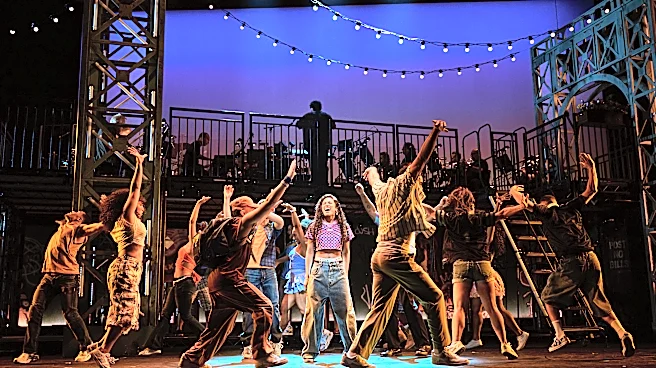
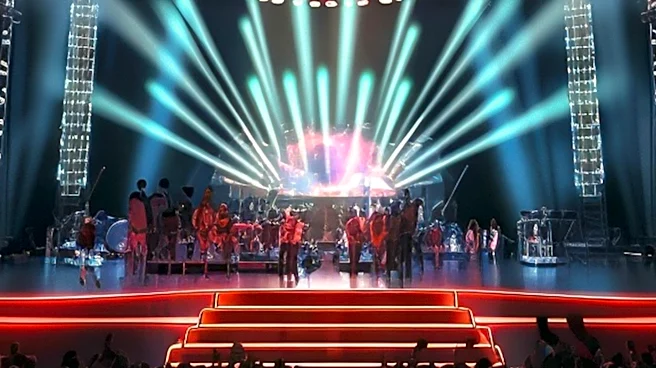
A revival of The Who's rock opera 'Tommy' is currently playing at the Hollywood Pantages Theatre, offering an electrifying and exhilarating experience. The production, directed by Des McAnuff, who also helmed the original show, brings composer Pete Townshend's
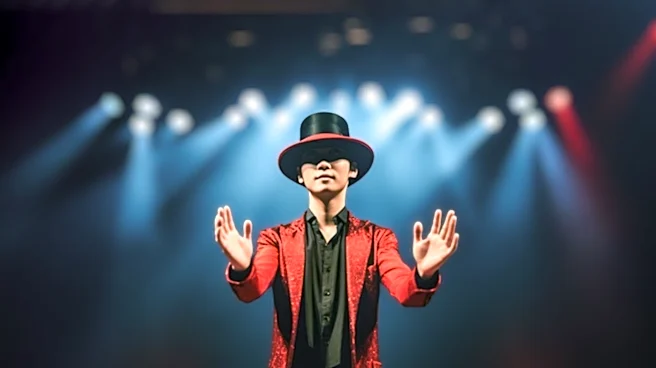
vision and music to life with a focus on dazzling visuals and high-energy performances. The show runs for an efficient hour and 40 minutes with minimal dialogue, relying heavily on Peter Nigrini's projection design, David Korins' scenic design, and Amanda Zieve's lighting design to create a visually stunning and immersive experience. The narrative follows young Tommy, who withdraws into a deaf, dumb, and blind state after experiencing severe childhood trauma, including witnessing a murder and enduring abuse. The cast features Collin Matthew Flanagan as adult Tommy and Mari Grossmann as young Tommy, with Mia Bergstrom and Zach Fogel as Tommy's parents, and Kris Lyons as the Acid Queen. The production emphasizes flashy and stylized aesthetics, aiming to be a blinding display for the senses while also conveying emotional depth.
Why It's Important?
The revival of 'The Who's Tommy' at a prominent venue like the Hollywood Pantages Theatre underscores the enduring cultural significance and artistic merit of this rock opera. Its continued production, decades after its initial release as an album in 1969, a film in 1975, and a stage musical in 1992, demonstrates its timeless appeal and its ability to resonate with new audiences. The show's exploration of trauma, isolation, and the search for identity remains relevant, offering a powerful commentary on human resilience and vulnerability. The emphasis on visual spectacle and innovative design in this production highlights the evolving nature of theatrical storytelling, where technology and artistic collaboration create immersive experiences. For the entertainment industry, successful revivals like 'Tommy' prove the commercial viability of classic works, attracting diverse audiences and contributing to the vibrant landscape of live theater. It also reinforces The Who's legacy as pioneers who pushed the boundaries of rock music into conceptual and theatrical realms.
What's Next?
The run of 'The Who's Tommy' at the Hollywood Pantages Theatre is scheduled through November 15. Its success could potentially lead to extended runs, national tours, or further international productions, continuing to expose new audiences to this iconic rock opera. Positive critical reception and strong ticket sales often encourage producers to invest in similar revivals of other classic rock-based musicals. The production's innovative use of projection, scenic, and lighting design may also influence future theatrical productions, setting new standards for visual storytelling in live performances. For the cast and crew, a high-profile engagement like this can serve as a significant career milestone, opening doors for future opportunities in theater and beyond. The ongoing interest in 'Tommy' also suggests a sustained appetite for rock operas that blend compelling narratives with powerful musical scores.
Beyond the Headlines
The narrative of 'Tommy' delves into profound psychological themes, particularly the impact of childhood trauma and the complex journey of healing and self-discovery. Tommy's withdrawal into a sensory-deprived state and his eventual rise as a pinball wizard and cult figure can be interpreted as a metaphor for coping mechanisms and the search for meaning in a chaotic world. The show's exploration of themes like abuse, neglect, and the manipulation of vulnerable individuals offers a stark commentary on societal issues that remain pertinent today. The rock opera format itself, blending music, narrative, and visual artistry, challenges traditional theatrical conventions and highlights the power of interdisciplinary art forms to convey complex emotions and ideas. The enduring popularity of 'Tommy' speaks to its ability to transcend mere entertainment, serving as a cultural touchstone that prompts reflection on human nature and societal dynamics.