



What's Happening?
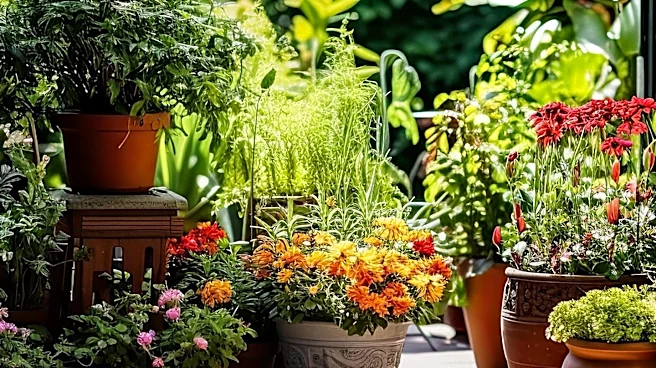
Gardeners facing the challenges of summer heat can rejuvenate their flower beds using the 'One-Third' pruning rule. This technique involves cutting back about a third of a plant's total growth, both in height and width, to encourage new growth and fuller
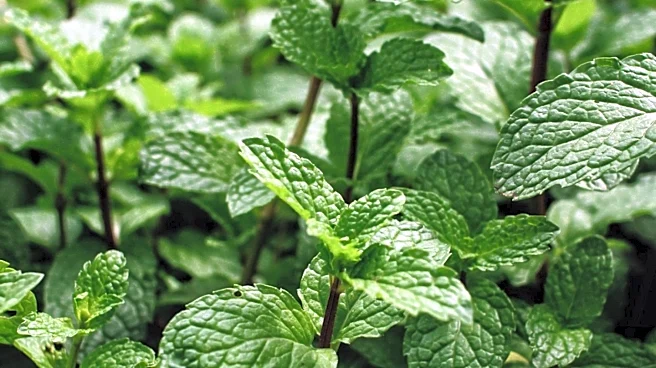
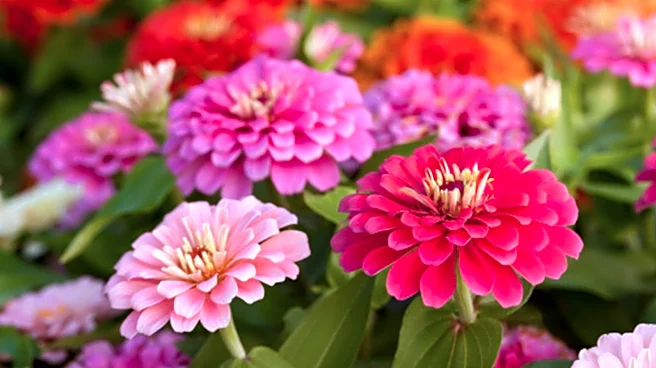
plants. Unlike deadheading, which targets individual spent blooms, this method provides a comprehensive 'haircut' to the plant. The approach is particularly effective for perennials that bloom on new growth, such as catmint, salvia, and geranium, as well as annuals like petunias and herbs like basil. However, it is not suitable for all plants; woody shrubs like roses and single-bloom annuals like zinnias should be pruned differently. The timing for this pruning is crucial, ideally occurring in late July through August during cooler parts of the day to avoid stressing the plants.
Why It's Important?
The 'One-Third' pruning rule is significant for gardeners looking to maintain vibrant and healthy flower beds throughout the summer. By redirecting the plant's energy from spent blooms to new growth, gardeners can achieve a fuller and more aesthetically pleasing garden. This method not only enhances the visual appeal but also extends the blooming period into early fall, providing a longer-lasting display of flowers. For gardeners, this technique offers a cost-effective solution to revitalize their gardens without the need for purchasing new plants. It also promotes sustainable gardening practices by maximizing the potential of existing plants.
What's Next?
Gardeners who implement the 'One-Third' pruning rule can expect to see new growth within a week or two, with plants becoming fuller and more compact. This will lead to a new round of blooms that can last into early fall. As gardeners become more familiar with this technique, they may explore its application to different plant species and adjust their gardening practices accordingly. Additionally, gardening communities and experts may continue to share insights and tips on optimizing this method for various climates and plant types.